


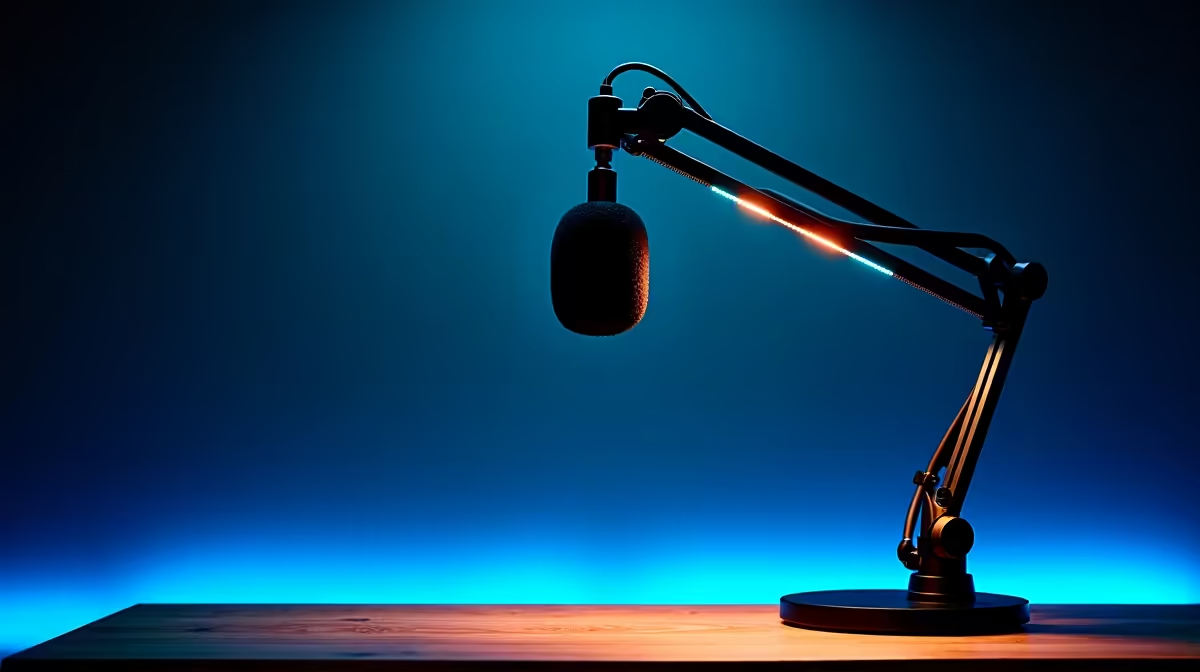
Getting a microphone onto a boom arm is the first step. Getting it positioned correctly is where the actual audio difference comes from. A 360-degree boom arm gives you the full range of motion to find the ideal angle, but the positioning principles stay the same regardless of how much rotation the arm offers.
Quick Answer
Position the mic about 15cm from your mouth and angle it roughly 30 degrees off-axis so plosive air passes the side of the capsule. Set the arm so the mic sits just above eyebrow height, pointing down slightly, keeping it out of your camera frame while staying close enough for a warm, room-rejecting signal.
🎯 Distance: The 15cm Rule
The single most important positioning variable is distance between your mouth and the capsule. Too close and the mic overloads, proximity effect pushes the low end unnaturally, and plosives overwhelm even a good pop filter. Too far and the room creeps in, thinning your voice and adding the hollow quality that immediately sounds like home recording.
The sweet spot for a cardioid USB condenser is around 15cm, roughly a hand span from your chin to the grille. At that distance you get the warm, present tone the capsule is capable of, while the cardioid pattern has enough proximity advantage to reject reflections from behind.
A 360-degree arm helps you find and keep this distance. You set the extension length once, lock the joints, and the mic returns to exactly 15cm every time you swing it back into position. With a fixed desk stand you are eyeballing the distance every session and rarely landing in the same spot twice.
✨ Off-Axis Placement and Plosive Control
Pointing the mic directly at your mouth places the capsule in line with every burst of air you produce. Plosive consonants, particularly the hard sounds that begin words like "podcast", "breathe" and "pop", send a directional gust of air forward. A pop filter scatters that air, but placing the mic slightly off-axis means the gust misses the capsule more completely in the first place.
The standard recommendation is to angle the mic about 30 degrees off the direct axis of your mouth, either slightly above or to the side. At that angle, plosive air shoots past the edge of the capsule rather than into its face. The cardioid pattern is still mostly aimed at your mouth from that small offset, so the frequency response of your voice does not change meaningfully. The plosive problem shrinks considerably.
On a 360-degree boom arm, this offset is easy to dial in. Swing the arm to the position where the grille is just above and to the right of your mouth, pointing back at a slight downward angle. That single adjustment combines the correct distance, the off-axis plosive protection, and a height that keeps the mic clear of the camera frame.
🔧 Height and Camera Framing
The height of the mic matters both for audio and for how your stream looks on camera. A mic at chin height or below is usually in frame, which is visually distracting and also puts the capsule below the plosive-safe angle. A mic at eye height or above looks cleaner on camera but sits too far from the mouth for the strongest signal.
The ideal position is just above eyebrow level, with the mic angled downward toward your mouth at roughly 30 to 45 degrees. At that angle and height the capsule points directly at your mouth from above, you stay out of the frame unless you specifically tilt the camera up, and the off-axis angle relative to your lips handles plosives without a heavy filter.
A 360-degree arm makes this height practical. A basic boom arm with limited vertical adjustment forces a compromise between the ideal audio height and workable desk clearance. Full rotation in the vertical plane lets you set the exact angle you need and lock it there.
Frequently Asked Questions
What distance should the boom arm hold the mic from my mouth?
About 15cm, a full hand span from your chin to the grille. At that distance the cardioid pattern delivers a warm, present vocal and rejects room reflections from behind. Moving further thins the voice; moving closer risks proximity boost and plosive problems even with a filter in place.
Why position the mic slightly off-axis?
A 30-degree offset puts the capsule outside the direct plosive path. Hard consonants like p and b push air forward in a burst that misses the capsule at that angle while the cardioid pattern still captures your voice clearly. The result is cleaner consonants without relying on a filter alone.
How high should the boom arm sit for streaming?
Just above eyebrow level, with the mic angled down toward your mouth. This height keeps the mic out of a standard camera frame, positions the capsule within the correct distance range, and puts the off-axis angle between the grille and your lips naturally. Avoid positioning the mic at or below chin level, where it enters the camera frame and inverts the plosive protection the angle provides.
Can I leave the arm extended overnight between sessions?
You can, but folding the arm at the 360-degree joint relieves continuous spring tension. Leaving a spring loaded for extended periods accelerates wear, so folding the arm when the mic is not in use is a simple habit that extends joint life.
Does arm angle affect how much background noise the mic picks up?
Yes, particularly with a cardioid pattern. The rear null sits directly opposite the capsule face. Pointing that null at your noisiest wall or PC fans rejects roughly 15 to 20 decibels from that direction. A 360-degree arm lets you dial this in without changing your mic-to-mouth distance.
Ready to dial in your mic position for clean, professional audio? Browse the 360-degree metal boom arm range at Evetech and find the arm that gives you the full adjustability your recording setup needs.










