Two robot vacuums can both claim to mop and still clean your floors completely differently, because the pad system underneath does the real work. Understanding robot vacuum mopping types is the difference between a machine that gently freshens your tiles and one that scrubs dried-on mess out of the grout. Three approaches dominate the market, and each one suits a different home and floor plan.
Quick Answer
Robot mop systems come in three main types: sonic vibrating pads for light daily cleaning, dual rotating spinning pads for proper scrubbing, and auto-lifting pads that raise when carpet is detected so they do not soak it. Spinning pads clean hardest, vibrating pads suit everyday upkeep, and auto-lift is a feature you want on any mixed floor home.
Sonic Vibrating Pads
Vibrating pads, sometimes called sonic mops, shake back and forth thousands of times a minute to mimic a gentle hand-scrubbing motion. On flagship units this can reach around 4,000 vibrations per minute with real downward pressure behind the pad. The fast, fine movement lifts light dirt and fresh spills well.
This type is best for everyday maintenance on hard floors that already get cleaned regularly. It keeps tiles and laminate fresh and handles light stains, but it is not built to grind away mess that has dried hard. If your floors mostly need a daily once-over rather than heavy scrubbing, a vibrating system is plenty.
Dual Rotating Spinning Pads
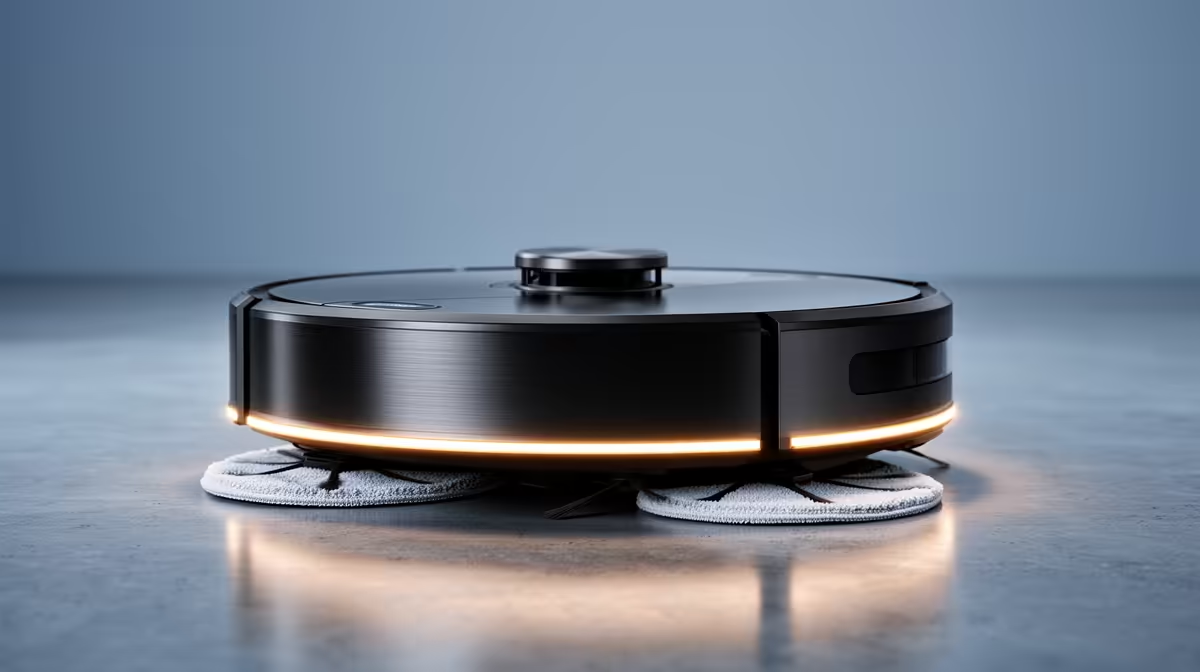
Spinning systems use one or two circular pads that rotate against the floor while pressing down with steady force, often in the region of 15 newtons on premium models. The combination of rotation and pressure scrubs rather than wipes, which is what dried-on dirt actually needs. Some now warm the water and extend a pad outward to reach edges and skirtings.
If you have pets, kids, or a busy kitchen where spills dry before you notice them, spinning pads are the type to look for. They do the closest thing to a hands-and-knees scrub that a robot can manage, so they handle the messes a vibrating pad just smears around.
Auto-Lifting Pads for Mixed Floors
Auto-lift is less about scrubbing power and more about not ruining your carpets. These systems detect when the robot moves from hard floor onto carpet and automatically raise the mop pads, on top models by around 20mm, so the carpet stays dry while the vacuum keeps running. The robot vacuums and mops in one pass without you lifting a finger.
For most South African homes with a mix of tiled living areas and carpeted bedrooms, this feature matters more than the exact pad style. Without it you either soak your rugs or have to mop and vacuum in separate runs. With it, the robot handles the whole floor plan in a single clean. You can see the current line-up in the smart home and appliances range at Evetech to compare which units pair auto-lift with the pad type you want.
Which Type Should You Choose?
Match the system to your home rather than chasing the highest spec. All hard floors that need light daily care: a vibrating pad does the job. Heavy or dried-on mess from pets and cooking: choose dual spinning pads for genuine scrubbing. A mix of hard floors and carpets, which describes most homes: prioritise auto-lifting pads so carpets stay dry, ideally combined with spinning pads on a flagship unit. To round out the setup, the accessories best sellers at Evetech cover replacement pads and consumables that keep any system mopping properly.
Frequently Asked Questions
Which mopping type scrubs the hardest?
Dual rotating spinning pads. They combine rotation with firm downward pressure to scrub dried-on dirt, which a vibrating pad cannot fully match. They are the best choice for homes with pets, children, or a busy kitchen.
Do all robot mops lift their pads over carpet?
No. Auto-lifting is a specific feature, mainly on higher-end models. Cheaper units may drag wet pads across carpet or expect you to mop and vacuum separately, so check for auto-lift if your home has both hard floors and rugs.
Are vibrating sonic pads good enough for daily cleaning?
Yes, for hard floors that get cleaned regularly. The fast vibration handles light dirt and fresh spills well. It just is not designed to grind away mess that has already dried hard, which is where spinning pads pull ahead.
Does a higher vibration or pressure number guarantee cleaner floors?
It helps, but floor type and pad design matter just as much. A spinning system with moderate pressure can outperform a vibrating one on stubborn dirt, while the right pad and consistent contact often matter more than headline figures.
Which type is best for a home with both tiles and carpet?
A unit with auto-lifting pads, ideally paired with spinning pads. The auto-lift keeps carpets dry while the robot mops the hard floors, letting it clean the whole house in a single pass.