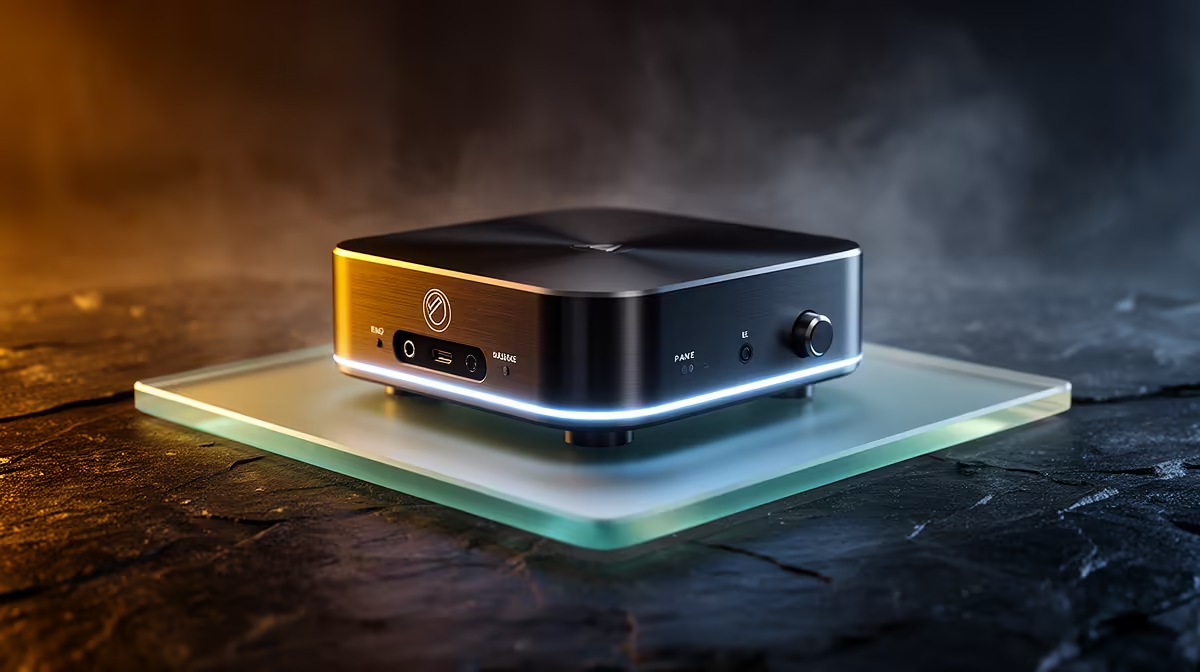
Plug a pair of cheap earbuds into your phone and they get loud enough to annoy the person next to you. Plug a serious pair of studio or audiophile headphones into the same phone and they sound thin and quiet. That gap is where a headphone amp earns its place: it gives demanding headphones the voltage they need that a small built-in output cannot supply.
Quick Answer
A headphone amp boosts the signal before it reaches your headphones. Whether you need one depends almost entirely on impedance. High-impedance models between 250 and 600 ohms usually need an amp to reach proper volume and dynamics. Easy-to-drive in-ear monitors below 32 ohms typically do not. If your headphones already get loud and punchy from your phone, you do not need one.
What a headphone amp actually does
A headphone amp takes a line-level signal and raises its voltage and current so a pair of headphones can be driven properly. The driver in a headphone is a tiny speaker, and moving it accurately takes power. Small devices like phones and laptops have weak built-in amplifiers tuned for efficient earbuds, not for power-hungry headphones.
When an underpowered source meets demanding headphones, two things happen. Maximum volume drops, so you crank it and still want more. Worse, the dynamics flatten: bass loses control and loud passages stop hitting the way they should. An amp restores both.
It is worth separating an amp from a DAC. A DAC converts digital audio into an analog signal. An amp makes that analog signal strong enough to drive headphones. Many products combine the two, but they solve different problems.
Who needs one and who does not
The deciding number is impedance, printed on the box in ohms.
- Below 32 ohms: most IEMs, gaming headsets, and consumer headphones. These are easy to drive and run fine from a phone or laptop. An amp is optional at best.
- 32 to 100 ohms: a grey zone. Some benefit from a little extra power, especially planar magnetic models that are inefficient even at low impedance. Try them on your source first.
- 250 to 600 ohms: classic studio and audiophile headphones. These almost always need an amp to reach proper volume and full dynamics.
Sensitivity matters too. A headphone can be low impedance yet still inefficient, which is common with planar magnetic designs, so they often improve with more power even when the ohm rating looks friendly. If you are weighing up a new pair, the headphones and headsets range at Evetech lists impedance so you can judge before you buy.
Signs you would actually benefit
Rather than buying on spec sheets alone, listen for these:
- Your headphones never get loud enough even near maximum volume.
- Bass sounds loose or weak compared to reviews you trust.
- Loud, busy passages sound congested and flat.
If none of that describes your setup, your money is better spent elsewhere. A good way to see what other SA listeners are pairing with their gear is the most popular headsets at Evetech right now, which leans heavily toward easy-to-drive models that need no extra hardware.
Frequently Asked Questions
Do I need a headphone amp for gaming headsets?
Almost never. Gaming headsets are low impedance and designed to run from a console, PC, or controller jack. They are tuned for easy driving, so an amp adds little.
What impedance needs an amp?
As a rule, headphones from about 250 ohms upward usually need one for proper volume and dynamics. Below 32 ohms you generally do not, with planar magnetic models being the exception that can still benefit.
Is a headphone amp the same as a DAC?
No. A DAC converts digital audio to analog, while an amp boosts that analog signal to drive headphones. Combo units do both, but they are different jobs.
Will an amp make cheap headphones sound better?
Not really. An amp gives demanding headphones the power they were designed for, but it cannot add detail that inexpensive drivers never produced. The bigger gains come from better headphones first.