You’ve heard the buzz. AI is everywhere, from your phone to your search engine. But what happens when it gets baked directly into your gaming rig’s brain? The next big PC upgrade isn’t just about higher clock speeds or more cores anymore. It’s about intelligence. The era of the AI gaming CPU is here, and in South Africa, the classic AMD vs. Intel rivalry is heating up like never before. Let's decode what this means for your future gameplay.
What Exactly is an AI Gaming CPU?
For years, your CPU (Central Processing Unit) and GPU (Graphics Processing Unit) have handled everything. But AI workloads are a different beast. An AI gaming CPU isn't just a standard processor with a fancy sticker; it includes a dedicated piece of silicon called an NPU, or Neural Processing Unit.
Think of it like this: your CPU cores are brilliant generalists, and your GPU is a maths powerhouse for graphics. The NPU is a specialised expert, designed to run AI and machine learning tasks with incredible efficiency. By offloading these "smart" tasks to the NPU, your main CPU cores and GPU are freed up to do what they do best... deliver buttery-smooth frame rates. 🧠
The AMD vs. Intel Showdown: Meet the Contenders
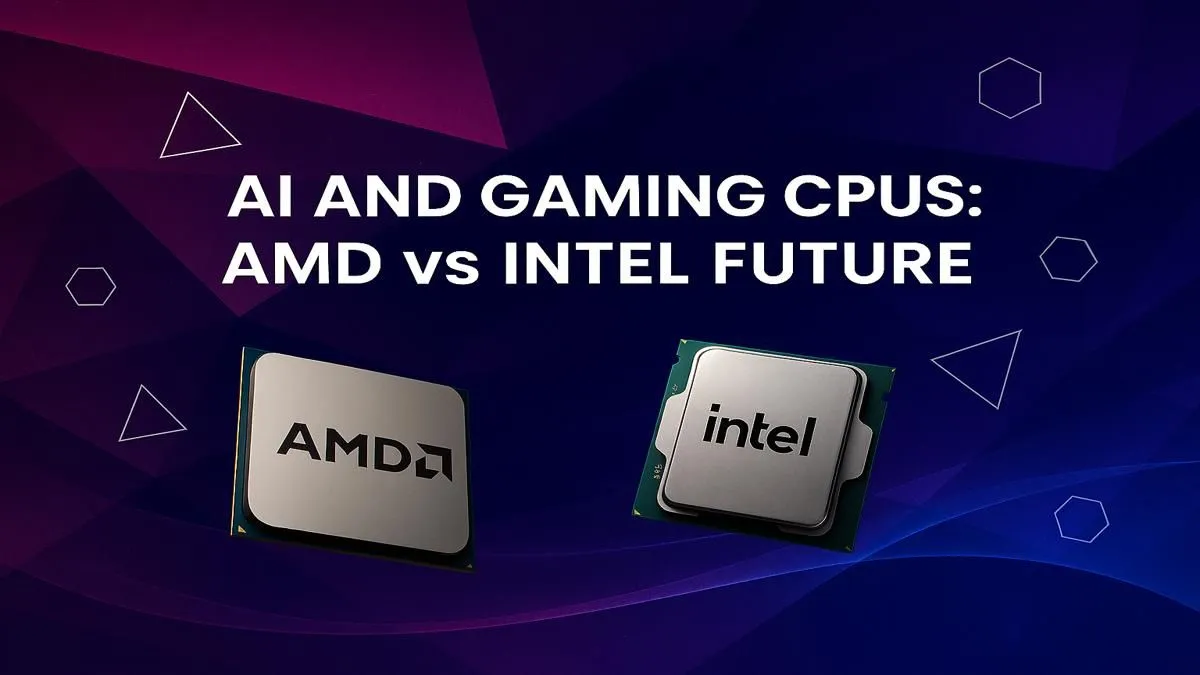
Both Team Red and Team Blue are charging headfirst into this new frontier, but they're taking slightly different paths. Understanding their approach is key to figuring out which processor is right for your next build.
Team Blue: Intel's Core Ultra and the NPU
Intel has made a massive splash with its Core Ultra processors, putting the NPU front and centre. They are betting big that on-device AI is the future, not just for gaming but for everyday productivity and content creation. For gamers, this means a chip that’s not only powerful for today’s titles but is explicitly built to handle the AI-driven features of tomorrow’s software. Intel's latest lineup of processors clearly signals their commitment to this AI-centric future.
Team Red: AMD's Ryzen AI
AMD, never one to be left behind, has integrated its own "Ryzen AI" engine into its processors. Building on their reputation for multi-core performance and efficiency, AMD is positioning Ryzen AI as a powerful tool for both gamers and creators. They see a future where AI enhances every aspect of the PC experience, from smarter performance boosting to more immersive game worlds. You can see this forward-thinking approach across all of AMD's powerful Ryzen CPUs.
Get Started with On-Device AI ⚡
If you have a newer CPU with an NPU, try out Windows Studio Effects. Go to Settings > Bluetooth & devices > Cameras, select your webcam, and enable features like automatic framing or background blur. These are handled by the NPU, leaving your main processor free for other tasks while you're streaming or on a call!
So, How Does This Actually Help My Games? 🚀
This is the big question. Right now, the direct in-game benefits of an AI gaming CPU are just beginning to emerge. Think of it as building the foundation for a skyscraper. The most exciting applications are still on their way, but the groundwork is essential.
Here’s what the future holds:
- Hyper-Realistic NPCs: Imagine non-playable characters that don't just follow a script. They learn your tactics, communicate dynamically, and create emergent stories.
- Living Worlds: Game environments that evolve based on player actions, powered by AI that can process complex simulations without tanking your FPS.
- Smarter Performance: AI could dynamically optimise game settings in real-time based on the on-screen action, delivering the perfect balance of visual fidelity and performance, far beyond today's simple presets.
The potential is massive. Investing in a CPU with a dedicated AI engine today is about future-proofing your rig for the next generation of truly intelligent gaming experiences.
The Verdict: Which AI Gaming CPU is Right for You?
Declaring a single winner in the AI gaming CPU battle is premature. The best choice depends entirely on your needs as a South African gamer. Are you an early adopter who loves tinkering with the latest tech, or a performance purist focused on maximising frames in today's biggest titles?
- Intel's Core Ultra is a fantastic option for those who want to be on the bleeding edge, especially if you also do creative work or use AI-powered apps.
- AMD's Ryzen AI processors offer a brilliant blend of raw gaming power and future-ready AI capabilities, making them a safe and powerful bet.
Ultimately, choosing the right CPU processor means balancing your budget, current needs, and excitement for what's next. The good news? Whichever side you choose, you're investing in a more intelligent future for PC gaming. ✨
Ready to Upgrade to an AI-Powered Rig? The battle between AMD and Intel for the AI crown is just getting started. Whether you're Team Red or Team Blue, the future of gaming is intelligent. Explore our complete range of CPUs and build a PC that's ready for tomorrow's challenges, today.