

Best Samsung GPU Under R10000 in SA 2026
Top Samsung GPU Under R10000 picks evaluated on performance, value & SA availability with current Rand pricing from Evetech.
Read more360mm vs 240mm radiators: does extra cooling surface really help? Compare temps, airflow needs, radiator thickness, and case fit to pick the right AIO for your PC build. ❄️💻
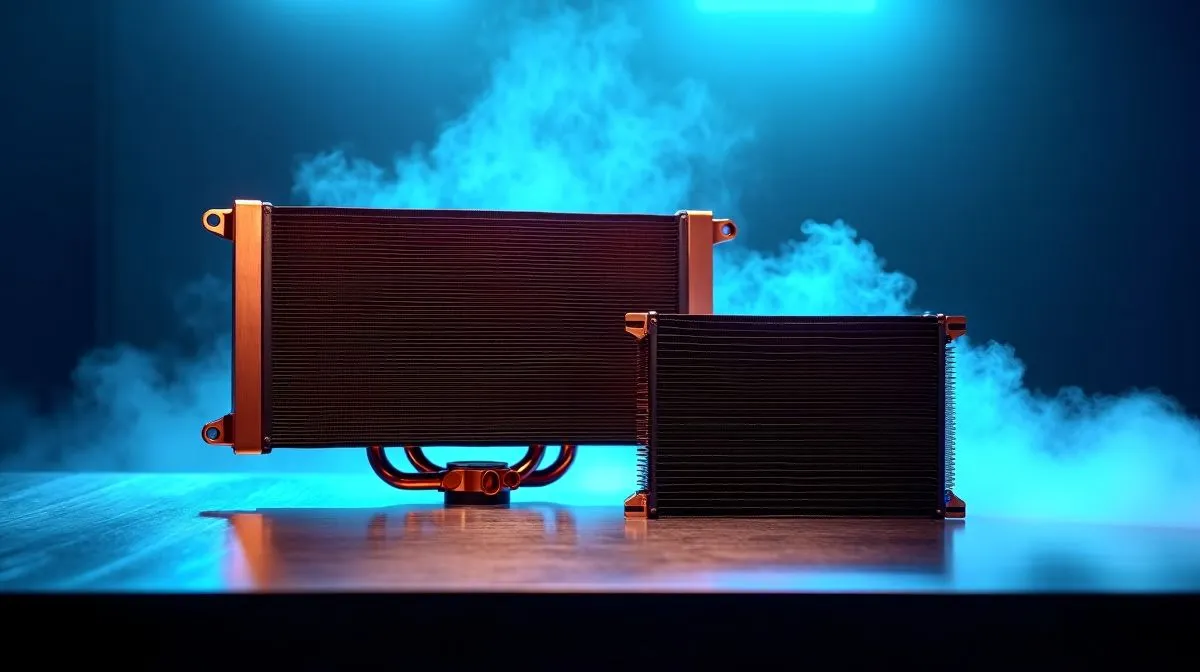
If you’re speccing a PC in South Africa, heat is the quiet boss fight. One bad cooling choice can mean throttling during Warzone nights or stutters when your Cyberpunk benchmark runs hot. 🔥
So, is a 360mm vs 240mm radiators: extra cooling surface worth it? For most builders, the answer is “it depends” …but you can make it a smart decision. Let’s break down what changes, what matters for real-world gaming, and how to choose without wasting ZAR.
A radiator’s job is simple: it sheds heat from the coolant into the air. The bigger the radiator, the more fin area the fans can push air through. On paper, that can lower coolant temperature and help your CPU sustain higher boost clocks.
In practice, your results depend on:
A 360mm setup typically uses three 120mm fans. A 240mm setup uses two 120mm fans. More radiator capacity often means lower temperatures at the same fan speed, or quieter operation for the same target temps.
If you’re shopping Evetech, you can compare options quickly in the CPU cooler section and filter by radiator size. This is where the choice becomes easy to visualise:
Here’s the honest part… 360mm tends to win when:
But 240mm can be totally enough when:
Official manufacturer and engineering basics back this up: radiators act as heat exchangers, and more surface area allows more heat rejection under similar airflow conditions. If you’re comparing AIOs, focus on radiator size + fan configuration + pump and radiator quality rather than the mm number alone.
Different lines tune fans, pumps, and included controllers differently. So the “mm size” story is only part of the plot:
Use this quick checklist before you buy:
On your next AIO install, set a custom fan curve before you test games. Start with a “quiet idle” target and only ramp aggressively once CPU temps cross your comfort point. This helps you avoid sounding like a small jet engine during menus, while still keeping boost stable in matches.
For shopping the sizes directly on Evetech:
If you have the case space and you care about quieter operation or sustained high loads, 360mm often feels worth it. If space is tight, your workload is moderate, or you’re building for strong value, 240mm is usually the smarter spend.
Either way, you’ll get the best results when the cooler fits properly, fans are configured well, and you’re not forcing a mismatch between radiator size and your case airflow.
Ready to Find Your Perfect Match? The Mac vs Windows debate is complex, but for maximum power, choice, and value in South Africa, Windows is hard to beat. Explore our massive range of laptop specials and find the perfect machine to conquer your world.
Usually, yes. A 360mm vs 240mm radiator offers more surface area for heat dissipation, often lowering CPU temps at similar fan speeds.
Yes. A 360mm radiator can perform best with steady airflow across three fans; matching fan curves and RPM matters for real gains.
It can be worth it for higher-TDP CPUs or quieter builds. If your case fits a 360mm AIO and you want lower temps, it helps.
Pick 240mm if you need better case fit, easier mounting, or lower cost. It can be enough for mid-range CPUs with good airflow.
Yes. Thicker radiators can add thermal capacity but may require stronger airflow. Always compare like-for-like radiator thickness.
With a 360mm vs 240mm setup, you may achieve similar temperatures at lower RPM, or better temps at the same RPM, depending on fans.
It can, but results depend on airflow, pump quality, and fan speed. For sustained loads, a 360mm radiator often provides a safety margin.
Top Samsung GPU Under R10000 picks evaluated on performance, value & SA availability with current Rand pricing from Evetech.
Read more
Top RTX 5070 Under R30000 picks evaluated on performance, value & SA availability with current Rand pricing from Evetech.
Read more
Ryzen 7 9800X3D + X670E + RTX 5080 Build Under. Full parts list, Rand pricing & expected performance. Build confidently with SA-available components.
Read more
Top Budget PC Build Around the RTX 5060 picks evaluated on performance, value & SA availability with current Rand pricing from Evetech.
Read more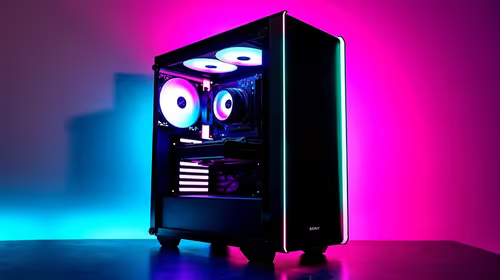
Ryzen 5 5600X + B550 + RTX 4060 Build Under. Full parts list, Rand pricing & expected performance. Build confidently with SA-available components.
Read more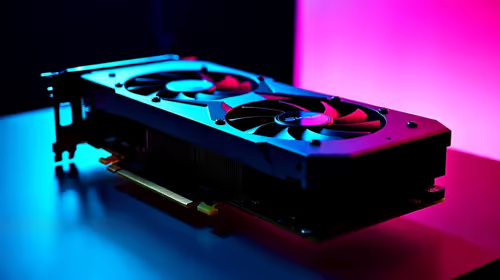
Top Intel GPU Under R10000 picks evaluated on performance, value & SA availability with current Rand pricing from Evetech.
Read more
Snapdragon X2 NPU Explained: How 80 TOPS Changes. Plain-English explanation of what it means, why it matters & how it affects your buying decisions in SA.

HBM? High Bandwidth Memory Used in GPUs and AI. Plain-English explanation of what it means, why it matters & how it affects your buying decisions in SA.
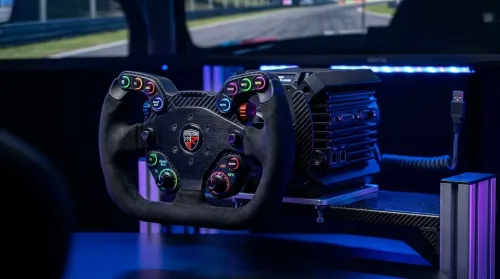
How much should you spend on sim racing accessories in South Africa for a realistic setup? We break down budgets by quality tiers, so you buy smart gear and avoid overspending 🎮💸

G-Sync and FreeSync? Variable Refresh Rate. Plain-English explanation of what it means, why it matters & how it affects your buying decisions in SA.

AMD Laptop: Value. SA-focused analysis with local pricing data, real-world insights & actionable buying advice.

How MacBook Neo Handles 30+ Chrome Tabs with Only. SA-focused analysis with local pricing data, real-world insights & actionable buying advice.

Why Apple Put 8GB RAM in MacBook Neo: The A18 Pro. SA-focused analysis with local pricing data, real-world insights & actionable buying advice.
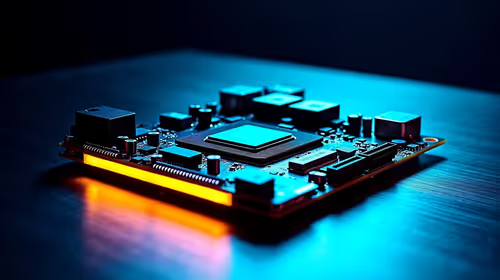
Upgrade your work laptop with a New Motherboard. Step-by-step instructions with SA-specific tips, common pitfalls to avoid & expert recommendations.
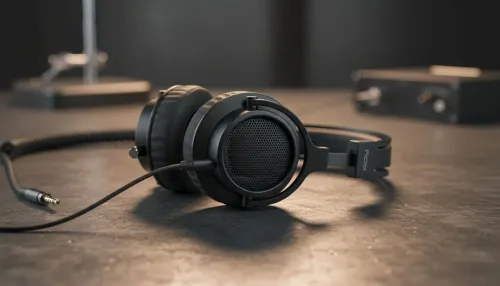
Maintain wired headset — Checklist: • inspect cables • clean earpads • store properly 🔧🎧 Practical steps to preserve sound quality and avoid premature replacements.

Fix crackling headset fast: step-by-step checks for cables, connectors, drivers, and settings to remove static or distorted audio on wired headsets 🎧⚙️
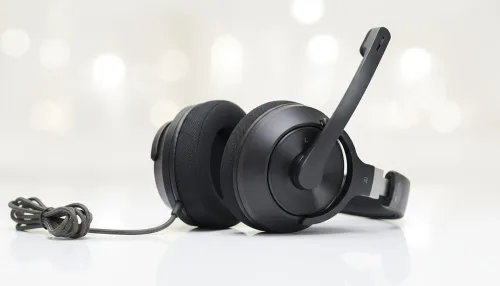
Stereo vs mono headsets: learn which delivers clearer calls, better spatial music, or simpler mono voice performance — pick the right headset for meetings, music, or gaming 🎧💬
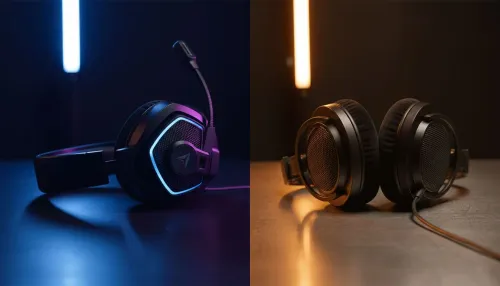
- Compare gaming headset vs studio headphones; - Assess comfort, mic and sound; - Recommend best daily picks. Gaming headset vs studio headphones: learn which suits work, music and casual gaming. 🎧⚖️