

Best AMD GPU Under R40000 in SA 2026
Top AMD GPU Under R40000 picks evaluated on performance, value & SA availability with current Rand pricing from Evetech.
Read moreWill a 410mm graphics card fit in the GAMEMAX NEX C31 BK M-ATX gaming case? Here’s a quick fit check, clearance tips, and what to measure before you buy ✅🖥️
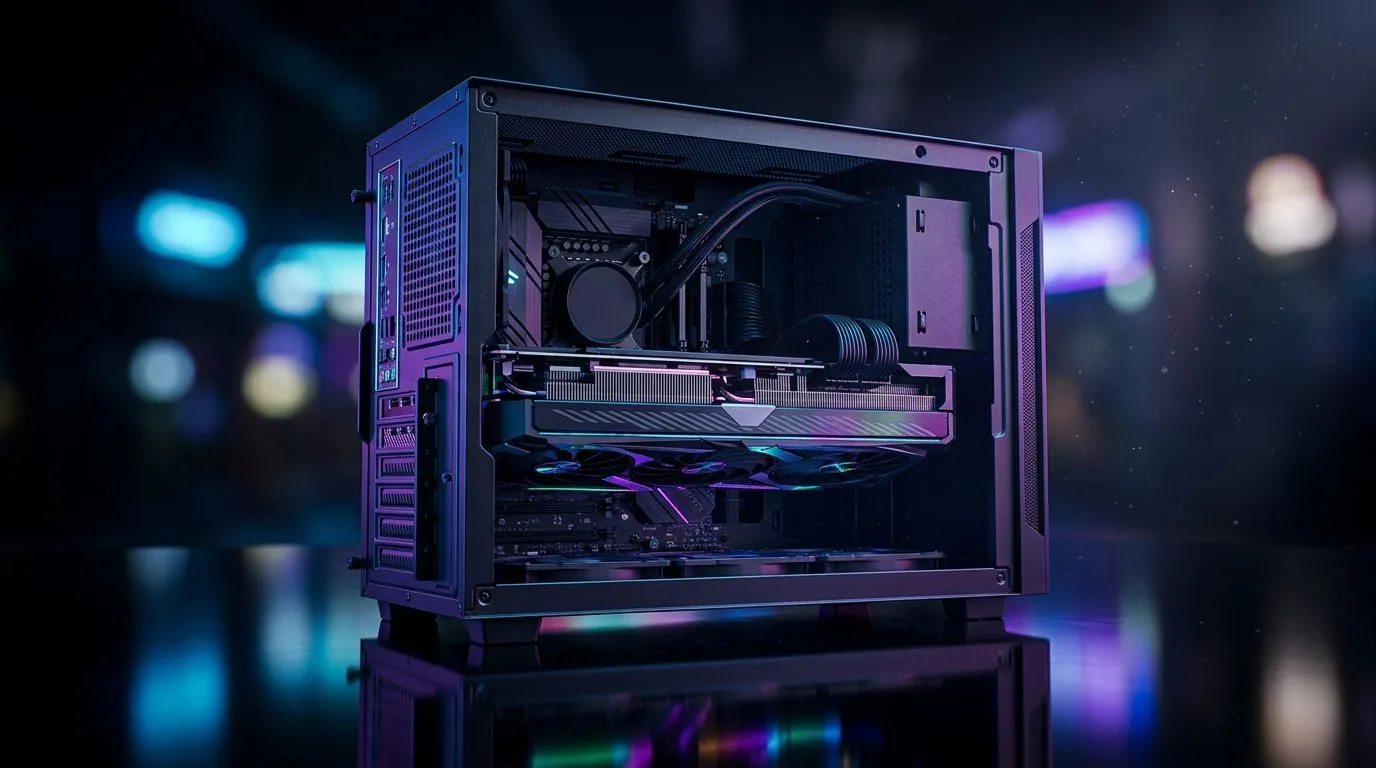
If you’re shopping for a new graphics card in South Africa, size matters more than most people realise. A 410mm GPU sounds huge, and in many builds it is. The good news? A roomy mATX case can surprise you. The bad news? One overlooked bracket, radiator, or front fan can kill the fit. Let’s unpack it properly so you don’t waste time, money, or sanity 🔧
The honest answer is: it depends on the case’s official GPU clearance, and on how the front of the chassis is configured. For any build, the safest move is to compare the card length against the manufacturer’s listed maximum graphics card support. If you are looking at a 410mm card, you’re already in premium territory, so even a few millimetres matter.
A practical rule of thumb is to allow extra space for cable bends too. Modern GPUs often need more room than the bare card length suggests, especially if you use thicker power connectors. That becomes even more important in compact mid-tower and mATX layouts. For broader case comparisons, Evetech’s computer cases range is a good place to sanity-check dimensions before you buy.
Even if the spec sheet looks fine, you still need to check the front panel area. A front radiator, front-mounted fans, or a drive cage can reduce usable clearance fast. This is where many first-time builders get caught out. A “410mm clearance” only means much if that space is actually open when your parts are installed.
A quick build tip: measure from the rear PCIe slot covers to the nearest obstacle inside the chassis. Then compare that with the card length, plus a little buffer. That buffer helps with airflow and cable routing… both of which matter in South Africa’s warmer months. If you want a case with a different layout philosophy, take a look at Fractal Design PC cases for cleaner internal designs and thoughtful cable space.
buying, check three numbers: GPU length, front radiator thickness, and power connector clearance. If any one of them is tight, your build can become awkward fast. A 5mm buffer is small on paper, but huge during installation.
If you are building around a card this large, think beyond fit. Think airflow, noise, and future upgrades. A smaller case can still work, but only if the internal layout is generous and your cooling plan is sensible. That is why gamers often compare several chassis before choosing one.
You can also browse Gamdias gaming cases if you want more gaming-focused styling, or check Gamdias gaming cases under R1500 when budget matters most. Sometimes the right buy is not the flashiest one… it is the one that leaves room for your GPU to breathe.
Before you checkout, confirm the exact case manual, GPU dimensions, and cooling configuration. If the build will be close, choose a case with extra clearance rather than forcing a tight fit. That saves hassle during installation and gives you more headroom for future upgrades.
For South African gamers, the smartest move is simple: measure first, buy once, and leave yourself a little breathing room. A great PC build should feel clean from day one… not like a puzzle you regret later.
Ready to Find Your Perfect Match? The Mac vs Windows debate is complex, but for maximum power, choice, and value in South Africa, Windows is hard to beat. Explore our massive range of laptop specials and find the perfect machine to conquer your world.
It depends on the case’s official GPU length spec and real-world clearance. Measure from the rear I/O to the closest obstruction for an accurate 410mm graphics card fit.
Confirm maximum supported GPU length, motherboard tray clearance, and whether the power supply shroud or front fans block space. This prevents failed 410mm GPU compatibility.
Yes. Front fan placement and radiator thickness can reduce effective GPU clearance. Verify both fan/radiator models and GPU length limits together.
Use a tape measure from the PCIe slot area to the nearest internal part (drive cage, shroud, or fan). Compare your card’s stated length to that clearance.
Allow a small buffer for cable routing and airflow. If the case supports 410mm exactly, expect the tightest fit and double-check every obstruction.
Long GPU length is only part of fitment. Coolers can be wider or heavier and still conflict with brackets or shrouds even when length seems acceptable.
Check the manufacturer’s product page or manual for the maximum GPU length specification. Use it as the baseline, then confirm with the GPU fitment checklist.
Top AMD GPU Under R40000 picks evaluated on performance, value & SA availability with current Rand pricing from Evetech.
Read more
Top RTX 4090 Under R12000 () picks evaluated on performance, value & SA availability with current Rand pricing from Evetech.
Read more
Ryzen 5 5600X + B550 + RTX 4060 Build Under. Full parts list, Rand pricing & expected performance. Build confidently with SA-available components.
Read more
Ryzen 5 5600X + B550 + RTX 4060 Build Under. Full parts list, Rand pricing & expected performance. Build confidently with SA-available components.
Read more
Top AMD GPU Under R25000 picks evaluated on performance, value & SA availability with current Rand pricing from Evetech.
Read more
Top Crucial GPU Under R15000 picks evaluated on performance, value & SA availability with current Rand pricing from Evetech.
Read more
Snapdragon X2 NPU Explained: How 80 TOPS Changes. Plain-English explanation of what it means, why it matters & how it affects your buying decisions in SA.

HBM? High Bandwidth Memory Used in GPUs and AI. Plain-English explanation of what it means, why it matters & how it affects your buying decisions in SA.
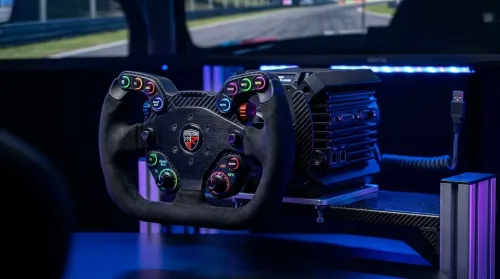
How much should you spend on sim racing accessories in South Africa for a realistic setup? We break down budgets by quality tiers, so you buy smart gear and avoid overspending 🎮💸

G-Sync and FreeSync? Variable Refresh Rate. Plain-English explanation of what it means, why it matters & how it affects your buying decisions in SA.

AMD Laptop: Value. SA-focused analysis with local pricing data, real-world insights & actionable buying advice.

How MacBook Neo Handles 30+ Chrome Tabs with Only. SA-focused analysis with local pricing data, real-world insights & actionable buying advice.

Why Apple Put 8GB RAM in MacBook Neo: The A18 Pro. SA-focused analysis with local pricing data, real-world insights & actionable buying advice.
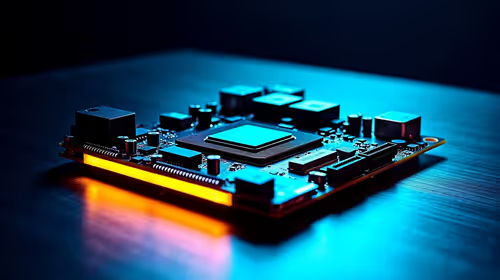
Upgrade your work laptop with a New Motherboard. Step-by-step instructions with SA-specific tips, common pitfalls to avoid & expert recommendations.
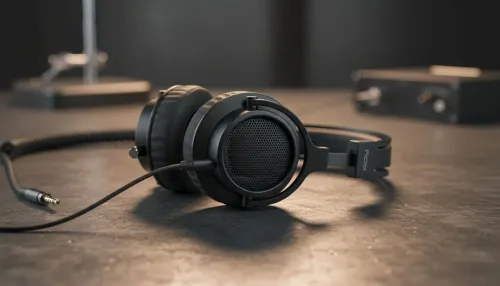
Maintain wired headset — Checklist: • inspect cables • clean earpads • store properly 🔧🎧 Practical steps to preserve sound quality and avoid premature replacements.

Fix crackling headset fast: step-by-step checks for cables, connectors, drivers, and settings to remove static or distorted audio on wired headsets 🎧⚙️
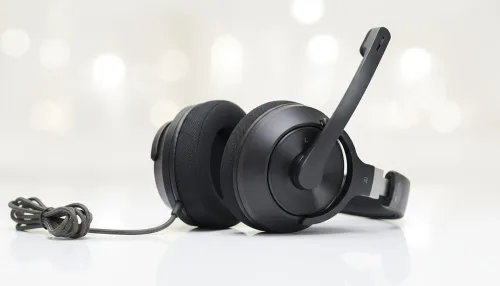
Stereo vs mono headsets: learn which delivers clearer calls, better spatial music, or simpler mono voice performance — pick the right headset for meetings, music, or gaming 🎧💬
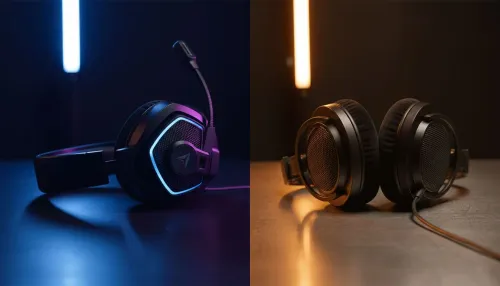
- Compare gaming headset vs studio headphones; - Assess comfort, mic and sound; - Recommend best daily picks. Gaming headset vs studio headphones: learn which suits work, music and casual gaming. 🎧⚖️