

Best AMD GPU Under R40000 in SA 2026
Top AMD GPU Under R40000 picks evaluated on performance, value & SA availability with current Rand pricing from Evetech.
Read moreCase fan placement controls airflow, temperatures and noise — learn where to mount fans for intake, exhaust, top and front setups to lower CPU and GPU temps. 🛠️❄️
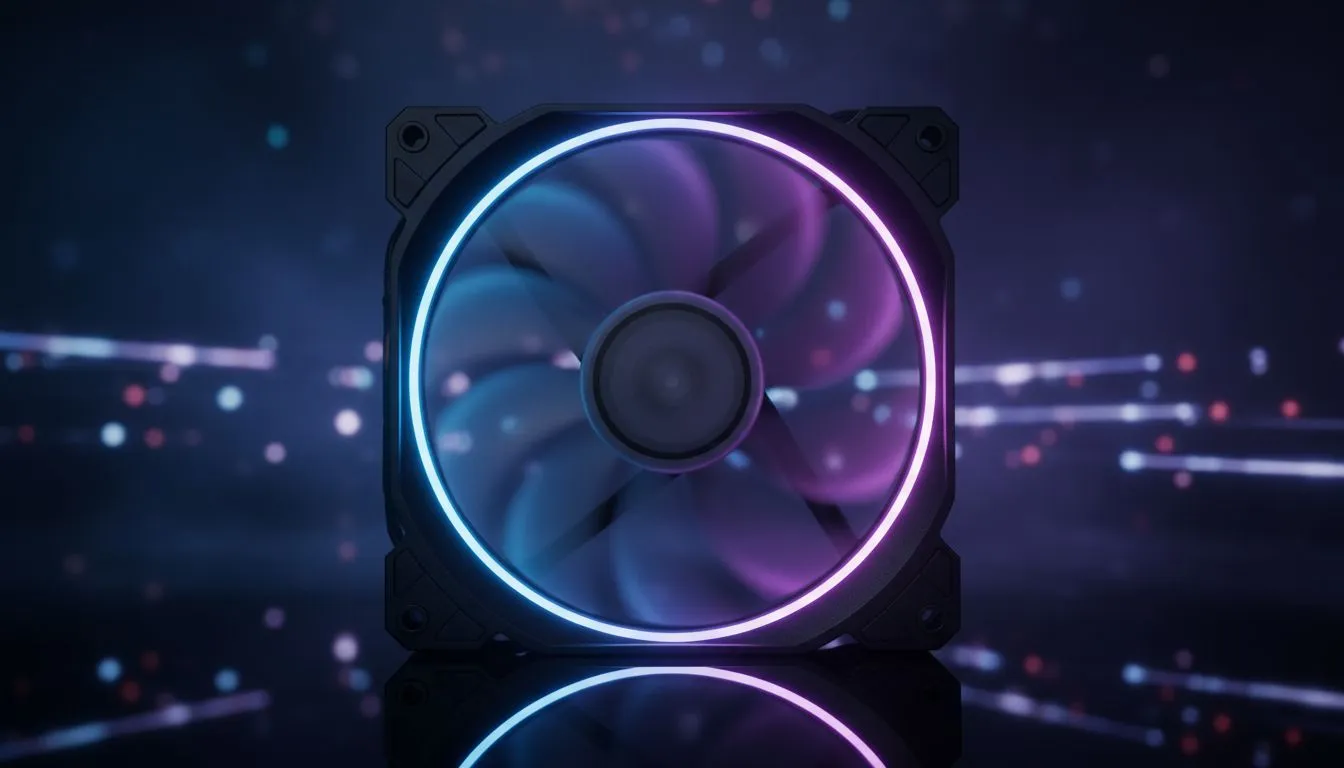
South African summers are brutal on gaming hardware. If your PC sounds like a jet engine while playing Warzone or Cyberpunk 2077, you likely have a heat problem. Proper case fan placement is the simplest way to drop your component temperatures and boost performance. This Case Fan Placement Guide: Where to Mount Fans for Optimal Temps will help you master your airflow. 🔧
Before you start screwing fans into your chassis, you need to understand the push and pull of air. Most case fans have a frame side and an open side. The open side usually pulls air in, while the side with the plastic frame exhausts it.
To achieve optimal temps, you want a clear path for air to travel. Cold air should enter from the front or bottom and hot air should exit through the rear or top. This mimics the natural tendency of heat to rise, ensuring your GPU and CPU are constantly bathed in fresh, cool air.
A common mistake is having too many exhaust fans. This creates "negative pressure," which sucks dust through every tiny crack in your case. In dusty South African environments, this is a recipe for a dirty PC. Aim for "positive pressure" by having more intake fans than exhaust fans.
High-performance CORSAIR fans are excellent for front intake because they offer high static pressure. If you are on a tighter budget but still want reliability, Deepcool options provide fantastic airflow-to-ZAR value. Always ensure your front intake fans have a dust filter in front of them to keep your internals pristine.
Use a piece of thread or a thin strip of paper held near your case vents while the PC is running. If the paper is sucked toward the case, that vent is an intake. If it blows away, it is an exhaust. Use this to verify your setup matches your intended airflow map without taking the whole machine apart.
Size matters when it comes to noise and efficiency. Most modern cases support 120mm fans as the standard. However, if your case has the mounts, 140mm fans are often superior. They can move the same amount of air at lower RPMs... which means a quieter gaming experience during those late-night sessions.
Aesthetics are the final touch. If you want your rig to stand out, RGB lighting allows you to sync your build's colour scheme with your peripherals. For those who prefer a stealthy, professional look, non-RGB fans offer the same cooling performance without the extra cables or glow. ✨
Ready to Cool Down Your Rig? Don't let thermal throttling hold your frame rates back this summer. For the best cooling solutions and the widest variety of components in South Africa, Evetech has you covered. Explore our massive range of case fans and find the perfect fans to keep your system running frosty.
Mount intake fans at the front or bottom to draw cool air in. Pair with rear/top exhaust to create directional airflow and lower internal temps.
Use top and rear mounts as exhaust. Hot air rises, so top exhausts and rear exhausts help pull heat away from CPU and GPU efficiently.
Start with two intake and one exhaust for mid towers. Add fans as needed for positive airflow and improved GPU and CPU cooling.
Yes. Use front intake with dust filters and slightly positive pressure to reduce dust while maintaining good airflow.
Mount radiator fans in push or pull depending on space; top or front radiator placement works best. Consider fan orientation for balanced airflow.
Push pulls are important for radiators. Push-pull can boost static pressure and improve radiator cooling when space and fan budget allow.
Prioritize front intake and top/rear exhaust to keep GPU intake air cool. Add side or bottom intake if your case supports it for extra GPU airflow.
Top AMD GPU Under R40000 picks evaluated on performance, value & SA availability with current Rand pricing from Evetech.
Read more
Top RTX 4090 Under R12000 () picks evaluated on performance, value & SA availability with current Rand pricing from Evetech.
Read more
Ryzen 5 5600X + B550 + RTX 4060 Build Under. Full parts list, Rand pricing & expected performance. Build confidently with SA-available components.
Read more
Ryzen 5 5600X + B550 + RTX 4060 Build Under. Full parts list, Rand pricing & expected performance. Build confidently with SA-available components.
Read more
Top AMD GPU Under R25000 picks evaluated on performance, value & SA availability with current Rand pricing from Evetech.
Read more
Top Crucial GPU Under R15000 picks evaluated on performance, value & SA availability with current Rand pricing from Evetech.
Read more
Snapdragon X2 NPU Explained: How 80 TOPS Changes. Plain-English explanation of what it means, why it matters & how it affects your buying decisions in SA.

HBM? High Bandwidth Memory Used in GPUs and AI. Plain-English explanation of what it means, why it matters & how it affects your buying decisions in SA.
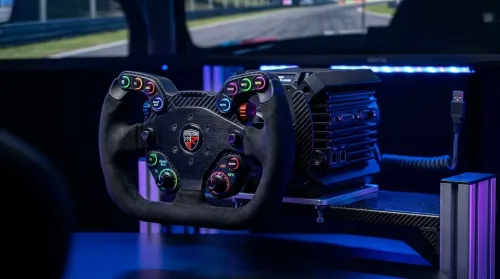
How much should you spend on sim racing accessories in South Africa for a realistic setup? We break down budgets by quality tiers, so you buy smart gear and avoid overspending 🎮💸

G-Sync and FreeSync? Variable Refresh Rate. Plain-English explanation of what it means, why it matters & how it affects your buying decisions in SA.

AMD Laptop: Value. SA-focused analysis with local pricing data, real-world insights & actionable buying advice.

How MacBook Neo Handles 30+ Chrome Tabs with Only. SA-focused analysis with local pricing data, real-world insights & actionable buying advice.

Why Apple Put 8GB RAM in MacBook Neo: The A18 Pro. SA-focused analysis with local pricing data, real-world insights & actionable buying advice.
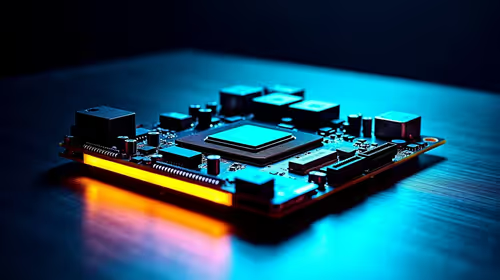
Upgrade your work laptop with a New Motherboard. Step-by-step instructions with SA-specific tips, common pitfalls to avoid & expert recommendations.
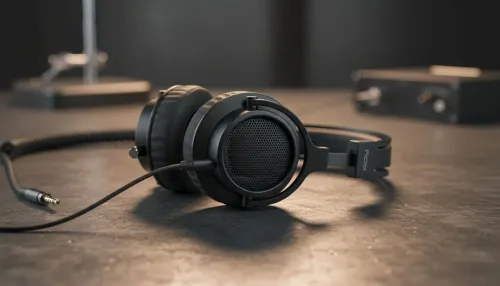
Maintain wired headset — Checklist: • inspect cables • clean earpads • store properly 🔧🎧 Practical steps to preserve sound quality and avoid premature replacements.

Fix crackling headset fast: step-by-step checks for cables, connectors, drivers, and settings to remove static or distorted audio on wired headsets 🎧⚙️
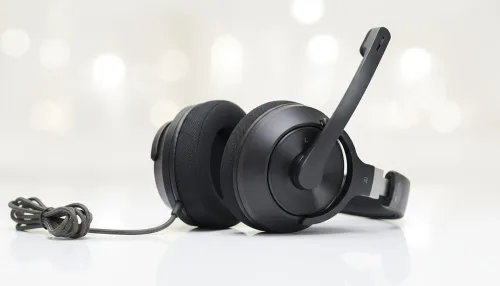
Stereo vs mono headsets: learn which delivers clearer calls, better spatial music, or simpler mono voice performance — pick the right headset for meetings, music, or gaming 🎧💬
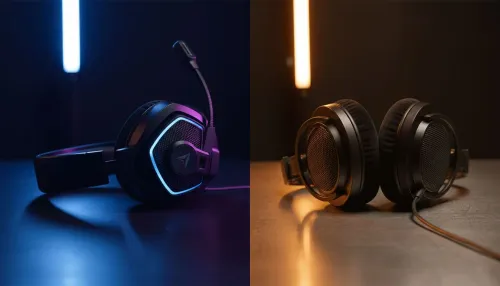
- Compare gaming headset vs studio headphones; - Assess comfort, mic and sound; - Recommend best daily picks. Gaming headset vs studio headphones: learn which suits work, music and casual gaming. 🎧⚖️