

Best AMD GPU Under R40000 in SA 2026
Top AMD GPU Under R40000 picks evaluated on performance, value & SA availability with current Rand pricing from Evetech.
Read moreLearn how to customize your PC for music production to achieve flawless audio and zero latency. 🎧 This guide covers key components like CPU and RAM, silent cooling, and essential software tweaks to build your ultimate digital audio workstation. Ready to make some noise? 🎶
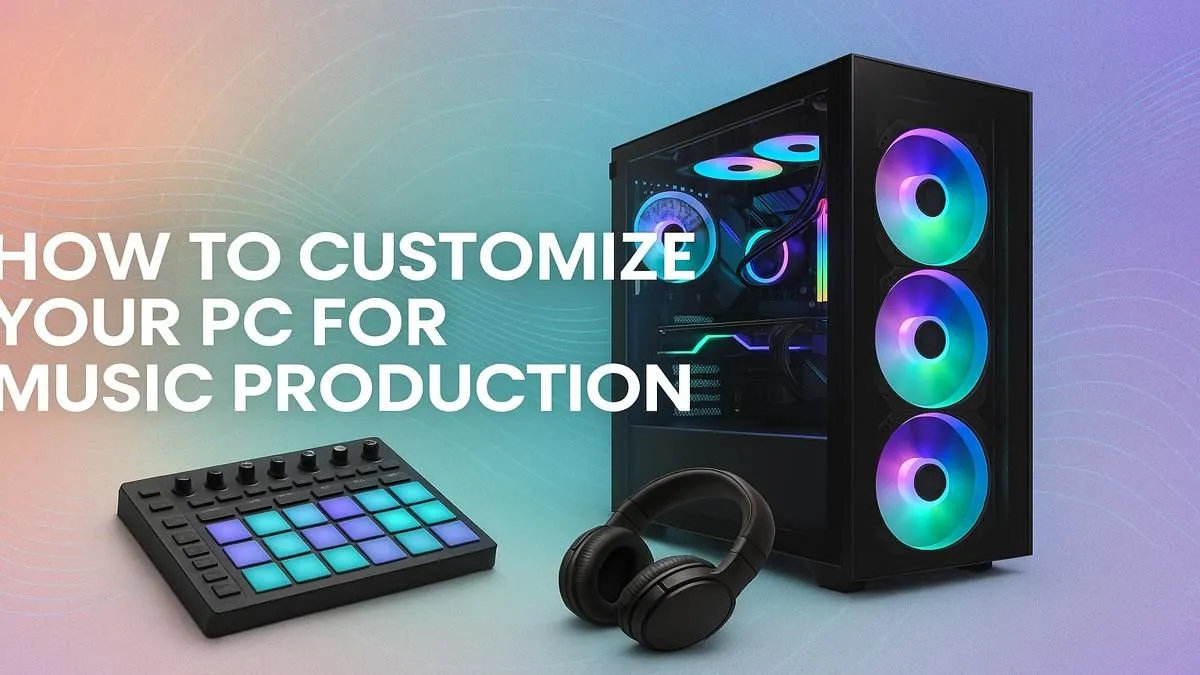
So, you’ve spent countless hours fragging in Warzone on your beastly gaming rig, but now you’re hearing a different call… the call of a killer bassline or a perfectly mixed track. That gaming PC is a powerful starting point, but to truly make music, you need a machine fine-tuned for audio. This guide will help you customize your PC for music production, turning latency nightmares and CPU crackles into a smooth, creative workflow. 🎵
A common myth is that you need an expensive, closed-ecosystem Mac to produce professional audio. While they're great machines, building a custom PC for music production in South Africa offers unparalleled value, power, and the freedom to upgrade components as your studio grows. You get to choose every part, ensuring your money goes directly into the components that matter most for audio… like a powerful CPU and lightning-fast storage, not just a shiny logo.
The heart of your digital audio workstation (DAW) isn't the software; it's the hardware that runs it. Let's break down the essential parts you'll need when planning your build.
Your Central Processing Unit (CPU) does the heavy lifting, from running virtual instruments to processing complex effects chains in real-time. The key is understanding the difference between core count and clock speed.
For producers who focus on complex single-track processing, Intel's strong single-core performance is a massive advantage. You can find some incredible options in our range of Intel PC deals. On the other hand, if your projects involve dozens of tracks and virtual instruments, the multi-core muscle of AMD is hard to beat, making our AMD Ryzen PC deals an excellent choice for massive projects.
Think of RAM (Random Access Memory) as your workstation's short-term memory. It holds your operating system, your DAW, and most importantly, your sample libraries. Running out of RAM is a primary cause of system slowdowns and crashes.
Having enough fast RAM is a non-negotiable part of a solid PC for music production guide. Many of the best gaming PC deals come configured with 16GB or 32GB of high-speed RAM, making them a fantastic foundation for a studio build.
Your storage drives dictate how quickly your projects, samples, and plugins load. A slow drive means waiting… and waiting kills creativity. A multi-drive setup is the professional standard.
Many of our pre-built PC deals feature this kind of smart, tiered storage solution right out of the box, saving you the hassle.
When setting up your DAW, configure your audio buffer size correctly. A lower buffer size (e.g., 128 samples) reduces latency for recording, but taxes your CPU. A higher buffer size (e.g., 1024 samples) gives the CPU more breathing room for mixing heavy projects. Find the lowest setting your PC can handle without pops or clicks.
Do you need a top-tier GPU to make music? For audio alone, no. But modern production is rarely just audio. Many plugins now use GPU acceleration for their slick visual interfaces, and if you ever need to score a video or manage a multi-monitor setup, a dedicated graphics card becomes essential. Fortunately, you don't need the most expensive model. A solid mid-range card from our NVIDIA GeForce gaming PCs or the excellent value offered in our AMD Radeon gaming PCs is more than enough. Even the newer Intel Arc gaming PCs provide fantastic performance for creative workloads.
The final pieces of your build are just as important for a stable and pleasant production experience.
Music production pushes your CPU for sustained periods. A high-quality power supply ensures clean, stable power, preventing crashes. More importantly, silence is golden. A noisy PC fan can ruin a vocal or acoustic guitar recording. Opt for a quiet case and CPU cooler. Many professional-grade workstation PCs are specifically designed for near-silent operation under heavy load, a feature every home studio producer will appreciate.
Your PC needs to talk to your gear. Ensure the motherboard you choose has enough USB ports for your audio interface, MIDI controllers, and other peripherals. For ultra-low latency, look for motherboards with Thunderbolt™ or USB4 support. Even our budget gaming PCs can be configured with motherboards that provide the essential connectivity to get your studio started on the right foot.
To customize your PC for music production is to build an instrument perfectly tailored to your creative process. By focusing on a powerful CPU, ample RAM, and a tiered SSD storage solution, you can create a rig that lets you focus on making music, not fighting your technology. Whether you're a bedroom producer or a seasoned pro, the right hardware foundation is everything.
Ready to Build Your Dream Studio PC? Stop letting a slow machine kill your creative flow. With Evetech's powerful online PC builder, you can spec out the perfect machine for your audio needs and budget. Design your ultimate music production PC today!
The CPU is crucial. A powerful multi-core processor (like an Intel Core i7/i9 or AMD Ryzen 7/9) handles complex plugins and tracks without lag, ensuring a smooth workflow.
16GB is a good starting point. For professional work with large sample libraries and many tracks, 32GB or even 64GB is recommended to prevent system bottlenecks.
Not typically. Most DAWs rely on the CPU. An integrated GPU is usually sufficient unless you also do video editing or work with visually intensive plugins and multiple monitors.
To create a silent PC build for audio, use quiet case fans, a low-noise CPU cooler, and an SSD instead of a hard drive. A well-ventilated case also helps fans run slower.
An SSD is far superior. It provides faster loading times for your OS, DAW, plugins, and large sample libraries, significantly speeding up your entire music production process.
You need a reliable motherboard with sufficient connectivity. Look for ample USB ports for your audio interface and controllers, plus quality components for system stability.
Top AMD GPU Under R40000 picks evaluated on performance, value & SA availability with current Rand pricing from Evetech.
Read more
Top RTX 4090 Under R12000 () picks evaluated on performance, value & SA availability with current Rand pricing from Evetech.
Read more
Ryzen 5 5600X + B550 + RTX 4060 Build Under. Full parts list, Rand pricing & expected performance. Build confidently with SA-available components.
Read more
Ryzen 5 5600X + B550 + RTX 4060 Build Under. Full parts list, Rand pricing & expected performance. Build confidently with SA-available components.
Read more
Top AMD GPU Under R25000 picks evaluated on performance, value & SA availability with current Rand pricing from Evetech.
Read more
Top Crucial GPU Under R15000 picks evaluated on performance, value & SA availability with current Rand pricing from Evetech.
Read more
Snapdragon X2 NPU Explained: How 80 TOPS Changes. Plain-English explanation of what it means, why it matters & how it affects your buying decisions in SA.
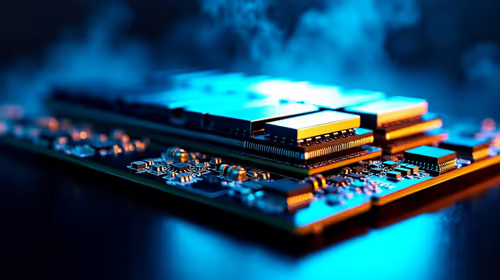
HBM? High Bandwidth Memory Used in GPUs and AI. Plain-English explanation of what it means, why it matters & how it affects your buying decisions in SA.
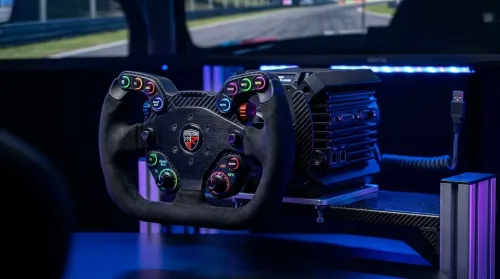
How much should you spend on sim racing accessories in South Africa for a realistic setup? We break down budgets by quality tiers, so you buy smart gear and avoid overspending 🎮💸

G-Sync and FreeSync? Variable Refresh Rate. Plain-English explanation of what it means, why it matters & how it affects your buying decisions in SA.

AMD Laptop: Value. SA-focused analysis with local pricing data, real-world insights & actionable buying advice.

How MacBook Neo Handles 30+ Chrome Tabs with Only. SA-focused analysis with local pricing data, real-world insights & actionable buying advice.

Why Apple Put 8GB RAM in MacBook Neo: The A18 Pro. SA-focused analysis with local pricing data, real-world insights & actionable buying advice.
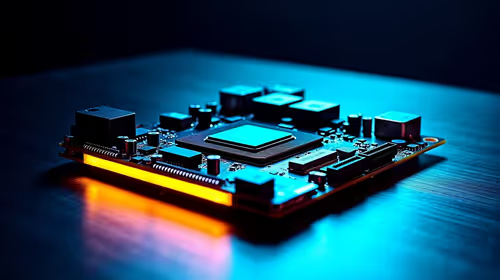
Upgrade your work laptop with a New Motherboard. Step-by-step instructions with SA-specific tips, common pitfalls to avoid & expert recommendations.
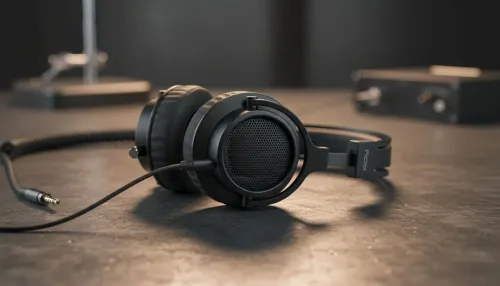
Maintain wired headset — Checklist: • inspect cables • clean earpads • store properly 🔧🎧 Practical steps to preserve sound quality and avoid premature replacements.
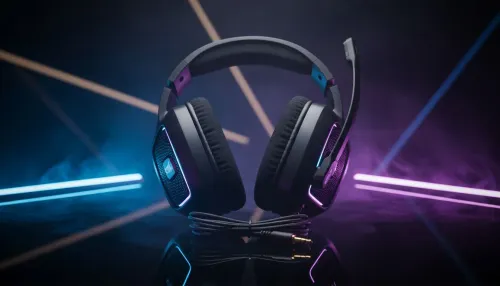
Fix crackling headset fast: step-by-step checks for cables, connectors, drivers, and settings to remove static or distorted audio on wired headsets 🎧⚙️
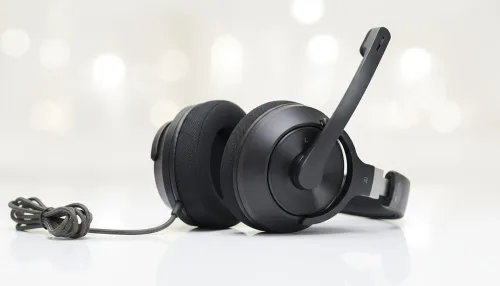
Stereo vs mono headsets: learn which delivers clearer calls, better spatial music, or simpler mono voice performance — pick the right headset for meetings, music, or gaming 🎧💬
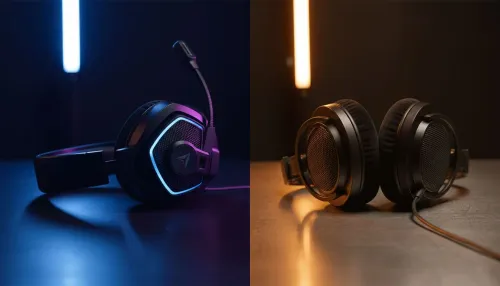
- Compare gaming headset vs studio headphones; - Assess comfort, mic and sound; - Recommend best daily picks. Gaming headset vs studio headphones: learn which suits work, music and casual gaming. 🎧⚖️