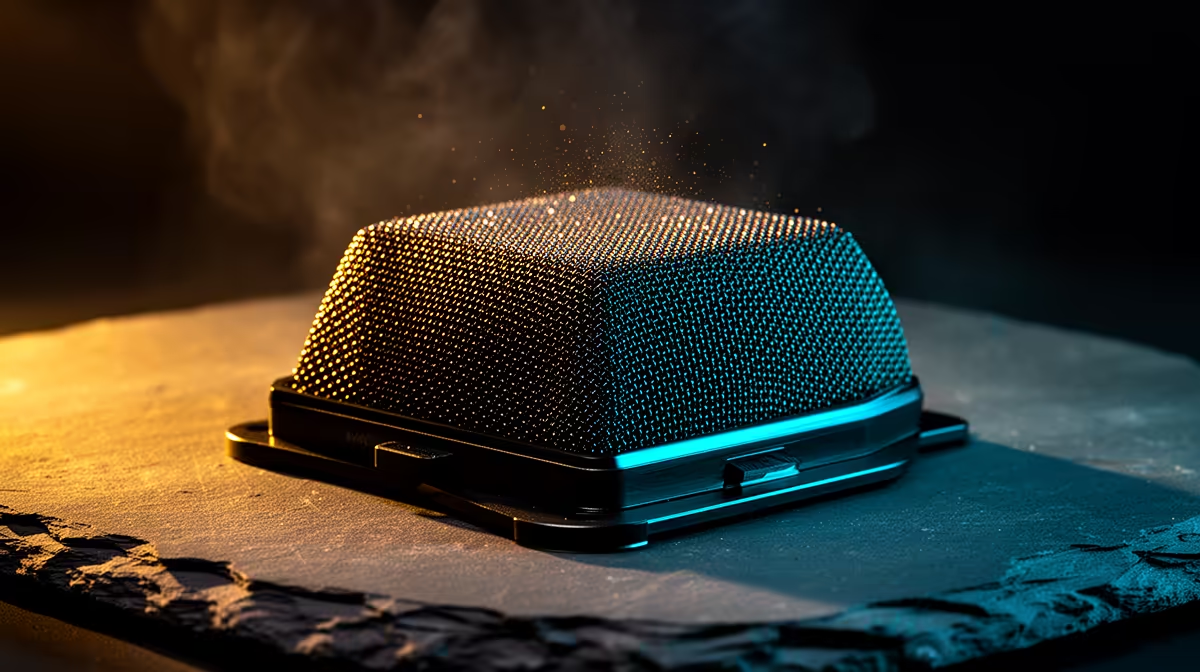
Dust filters protect a gaming PC by catching dirt before it reaches heatsinks. They also become an airflow restriction as the layer builds. A four-to-six-week check is a sensible starting habit, while pets, open windows, smoke, construction and floor placement can shorten that interval.
Quick Answer
Inspect front, bottom and roof filters every month at first. Photograph them against the light and note temperature and fan noise. Remove each filter with the PC shut down, clean it according to the case maker's instructions and refit it fully dry. Adjust the schedule from what your room deposits, not a calendar borrowed from another home.
Evetech's gaming PC catalogue shows the variety of filtered case layouts. The PC best sellers help compare towers whose front panels and filter access make routine care easier.
Find Every Intake Filter
Front filters can sit behind a removable panel. Bottom filters often slide beneath the power supply. Roof filters may serve an exhaust in the current fan layout, though they still collect settled dust.
Read the case manual before pulling a panel. Hidden clips and wires for front lighting can be damaged by a hard tug. Note the filter's orientation and which side faced the room.
Check small side and rear intakes where the design includes them. A clean front filter does not help a clogged bottom supply intake.
Set the First Schedule
Begin with a visual check every four weeks. In a clean elevated room, that may prove more frequent than needed. With pets, nearby building work or an open gravel-road window, two weeks may show a visible layer.
Hold the filter against a bright background. Compare it with the previous photo. Watch whether fan speed rises in the same game and whether component temperature changes under the same room conditions.
Extend or shorten the interval one step at a time. The goal is to clean before airflow falls, without dismantling the case every weekend.
Clean a Removable Filter
Shut the PC down and disconnect mains. Remove the filter away from the open chassis so loose dust does not fall inside. A soft brush or low-suction cleaning of the removed filter can lift dry dust.
If the case maker permits washing, use clean water and let the filter dry fully before refitting. Mesh can hold moisture in its frame after the surface looks dry. Never reinstall a damp filter beside powered electronics.
Avoid crushing fine mesh or peeling it from a magnetic frame. Replace damaged material that no longer seals the intake.
Do Not Vacuum Live Internals
A household vacuum nozzle can build static and strike small components. Keep it away from installed boards. Cleaning a removed filter at a separate surface is a different task.
For the case interior, use the maker-approved method with the system unplugged and fan blades held still. Filters reduce internal dust; they do not eliminate it.
Check the Temperature Trend
Use one repeatable game or combined load before and after cleaning. Record CPU and GPU temperature, clock and fan speed after warm-up. A clogged filter may show up as rising fan noise before a dramatic temperature change because the fan curve compensates.
If cleaning the filter changes nothing and temperatures remain high, inspect heatsinks, fan operation and room temperature. Do not shorten the filter schedule to solve an internal blockage.
Balance Dust and Airflow
Removing a filter can improve airflow in a restrictive case, but it also sends dirt towards the cooler. Fix the fan layout, filter condition or case restriction instead of leaving a designed intake open.
Slight positive pressure through filtered intakes can reduce dust drawn through unfiltered gaps. Pressure depends on fan speed and restriction, not count alone.
Keep a Tiny Maintenance Record
Write the date, filter condition, room changes and any temperature result. A pet arriving or nearby renovation can explain why the interval suddenly halves.
Keep spare filters only when they match the exact case. A generic sheet cut poorly can leave gaps or enter a fan.
Clean the Room Around the PC
Move the tower off carpet when its bottom intake sits close to the floor. Leave space from a wall and avoid placing the front intake beside a dusty doorway. Cleaning the desk and floor reduces what reaches the filter.
Do not cover the case between sessions unless it is shut down and cool, and remove the cover before power-on. A forgotten cover creates a larger airflow problem than the dust it was meant to stop.
FAQ
Is every four to six weeks a fixed rule?
No. It is a starting check interval. Adjust it from visible build-up, room conditions and warm-system behaviour.
Can a clogged filter raise temperature before it looks filthy?
Yes. Fine dust can restrict mesh, and the first clue may be higher fan speed under the same load.
Can I wash a PC dust filter?
Only when the case maker permits it. Remove it from the PC and let it dry completely before refitting.
Start with a four-week filter check, compare it against the light and let your room's actual dust set the maintenance interval.