Quick Answer
For Empangeni, a podcast recording build under R20,000 should spend on the parts that change daily performance first: CPU, memory, SSD and the right GPU or audio gear. A realistic target is Audio-Technica ATR2100x, Rode PodMic, Focusrite Scarlett Solo and closed-back studio headphones with USB or XLR microphone, closed-back headphones and 16GB to 32GB RAM, keeping the tower useful without pretending it is a top-end workstation.
Spend The R20,000 Where It Shows
Use the budget as a hard line, not a suggestion. For podcast recording, the useful range is R8,000 to R18,000, so a sub-R20,000 build needs careful choices around case, motherboard and extras. clean 48kHz recording matters more than raw gaming fps, and quiet fans reduce editing work later. Put comfort items like a better keyboard, mouse, controller or headphones into the basket only after the core spec is covered.
Parts That Fit The Job
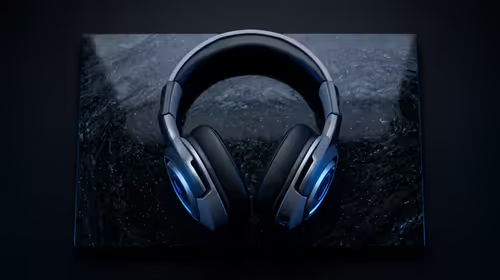
The safest shortlist is Audio-Technica ATR2100x, Rode PodMic, Focusrite Scarlett Solo and closed-back studio headphones. Start with microphone quality, headphones and a quiet PC; even a modest desktop is fine if it records clean 48kHz audio without fan noise. Avoid tiny SSDs because Windows, apps, game files and creator caches can fill 500GB quickly. For Empangeni, check whether the PC will sit in a bedroom, lounge or shared study space because noise and desk depth affect the final choice.
Where To Compromise
Save on cosmetic extras, oversized cases and premium lighting before cutting RAM or SSD capacity. Hard rooms with tiles or bare walls are common in SA homes, so budget for a boom arm and simple acoustic treatment. If the first basket crosses R20,000, step down one case class or delay a second peripheral rather than dropping below the core performance target.
FAQ
Is R20,000 enough for podcast recording in Empangeni?
Yes, for an entry to mid class setup with sensible settings. It is not enough for every premium part, but it can cover the right tower foundation and one or two practical accessories.
What spec should come first?
Start with USB or XLR microphone, closed-back headphones and 16GB to 32GB RAM and the named platform class before choosing cosmetic upgrades. That keeps the machine useful for real work or gaming instead of just looking expensive.
Should buyers choose a laptop instead?
Choose a desktop when performance per rand, cooling and future upgrades matter most. Choose a laptop only when moving between home, campus or work is part of the daily routine.
Keep the basket under R20,000 Price the tower first, then add only the podcast recording accessories that solve an immediate problem for the Empangeni desk.