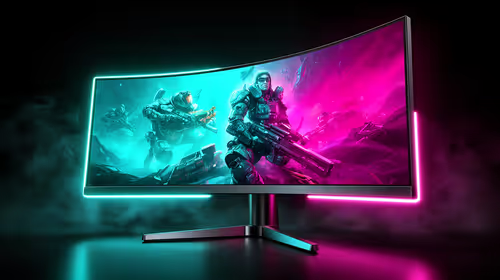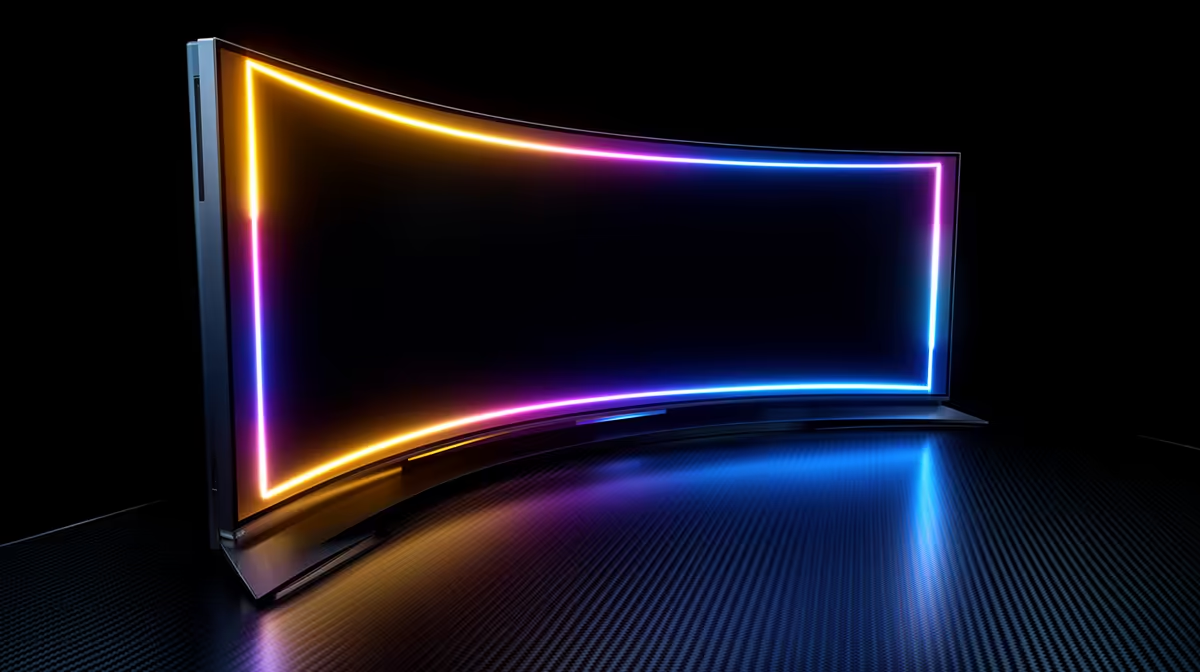
An OLED monitor protects itself quietly while you play. The image nudges by a few pixels, static shapes may dim and a maintenance routine runs after the screen goes into standby. Those systems reduce uneven wear; they do not make the panel immune. Understanding the OLED burn-in protection menu helps you leave the useful controls alone and recognise when the monitor needs a few minutes to finish its work.
Quick Answer
Keep pixel shift, static-logo dimming and scheduled panel compensation at their factory settings unless the manual gives a specific reason to change them. Let the monitor enter standby after a session so automatic maintenance can run. Cooling design and brightness control reduce heat while you use it. Features vary by model, so read the exact instructions. In July 2026, R4,499 was the median of Evetech's available gaming-monitor prices, a dated LCD-and-OLED category reference rather than a promise about any one panel's protection.
↔️ Pixel shift spreads fixed edges over nearby pixels
Pixel shift moves the whole image by a tiny amount at intervals. A health bar or taskbar no longer lands on exactly the same subpixels for every minute of use. The movement is usually too small to notice during a game.
At times, a sliver near one edge can appear cropped because the panel keeps reserve space for the shift. That behaviour can be normal. If important content disappears, first confirm native resolution and overscan settings before disabling protection.
🧹 Compensation cycles correct accumulated differences
OLED pixels do not age at identical rates. A compensation or panel-refresh routine measures their response and adjusts drive levels to keep the image uniform. Short cycles may run automatically after a set amount of use; longer cycles are normally far less frequent.
Follow the model's prompt. Repeatedly launching a manual deep refresh can add needless wear, while cutting mains power every time you leave the desk can prevent automatic work in standby. Finish the session, switch the monitor off normally and leave it connected unless the manual says otherwise.
Evetech's OLED monitor category provides the current models whose manuals and care features you can compare.
🌡️ Cooling keeps heat from concentrating wear
Some OLED monitors use a heatsink, thermal layer or active temperature control behind the panel. Cooler operation helps the electronics manage brightness and pixel stress. The exact design belongs to the model; an OLED label does not guarantee a particular cooling system.
Give the monitor's vents room. Avoid draping a cover over a warm display or placing it against a heat source. The protection menu cannot compensate for a blocked physical design.
🌓 Static-content detection watches logos and interface bars
Logo dimming looks for shapes that stay in place and gradually reduces their output. It can also react to a game's HUD, a news ticker or an application's toolbar. Most of the time the change is subtle.
If a normal scene dims unexpectedly, read the model's setting descriptions before turning protection off. A less aggressive option may suit the workload. Also check whether a separate automatic static brightness limiter is reacting to an idle desktop.
🔆 Brightness management protects large areas
OLED monitors can reduce output when a large part of the screen becomes bright. This keeps power and heat within the panel's design. You may notice a white browser page look dimmer than a small HDR highlight.
Set SDR brightness for comfortable reading in your room. HDR content can use its own calibrated range. Trying to force maximum desktop brightness through service-menu tricks defeats a safety behaviour and adds little in a controlled room.
Use Evetech's broader monitor range to compare OLED with LCD if sustained bright office content dominates the day.
🛠️ Check that protection is working without obsessing
Open the care menu once after setup. Confirm the automatic features are active, set a short Windows screen-off timer and note how the monitor reports completed maintenance. Then use it normally.
A flat grey test can reveal obvious retention after an unusually long static session. Temporary image retention may clear with normal varied content or the scheduled cycle. Persistent marks should be documented and handled through the manufacturer's support process rather than repeated manual refreshes.
Evetech's monitor best-sellers offer a live shortlist, but the individual manual remains the source for cycle timing and controls.
Frequently Asked Questions
What is pixel-shifting on an OLED monitor?
It is a tiny periodic movement of the displayed image that spreads static edges over neighbouring pixels.
What does a panel refresh cycle actually do?
It measures and compensates for differences in pixel response to help maintain a more uniform image.
Why do OLED monitors now include heatsinks?
Cooling helps manage temperature, brightness and pixel stress. Not every model uses the same thermal design.
Do these protections run automatically or need enabling?
Many run automatically at factory settings. Confirm the exact model's care menu and leave automatic maintenance available in standby.
Does logo dimming interfere with gaming visuals?
It can subtly dim a persistent HUD. Sensitivity and adjustment options differ, so test before changing the default.
Are these protections the same across all OLED brands?
No. Names, timing and aggressiveness vary between brands and models, even when the underlying purpose is similar.
Want the OLED to care for itself without a menu full of guesswork? Compare current OLED monitors at Evetech, then read the chosen model's maintenance section and leave its automatic protection routine room to run.