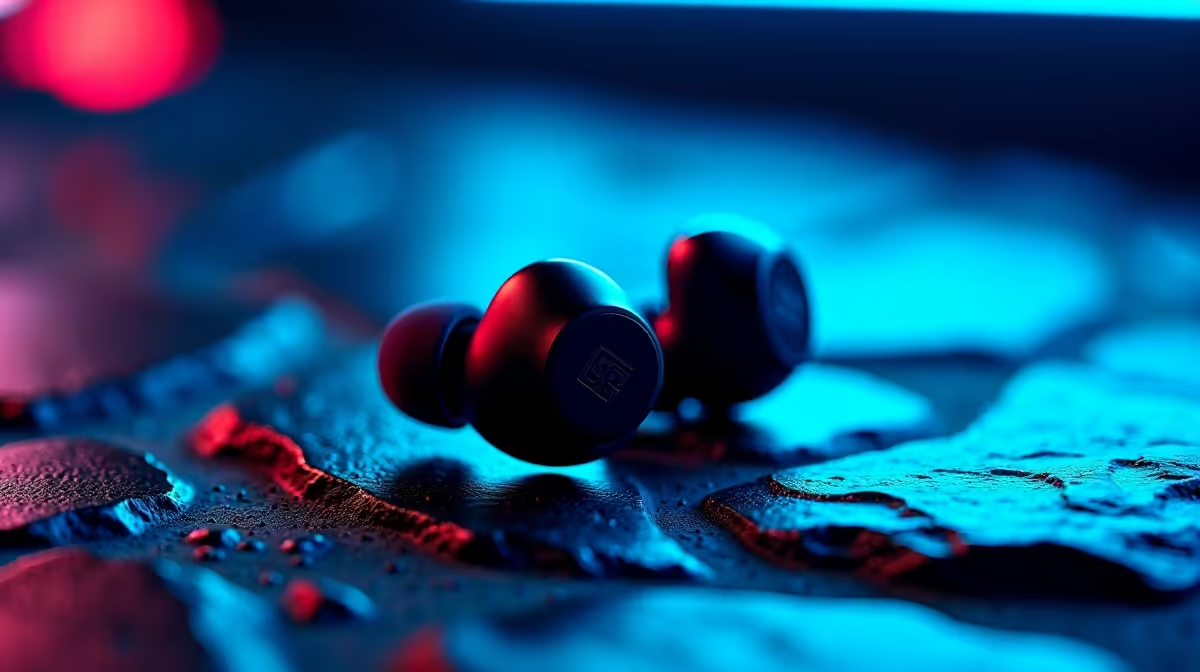
The single cheapest upgrade to any in-ear monitor is not a new cable or a fancy amp, it is the right ear tips. The seal they create, not the driver alone, is what produces the bass an IEM is rated for. A poor seal can drain low-end and skew the whole frequency balance, and swapping tips can move bass response by several decibels. Here is how to dial in seal and bass step by step.
Quick Answer
Test foam and silicone tips across small, medium and large to find the seal that delivers full bass. Foam expands to fill the ear canal for maximum isolation and low-end, while silicone is easier to fit, more durable, and reflects the IEM's intended tuning most accurately. The best tip is the one that seals without discomfort.
Why the seal makes the bass
An IEM's bass depends on a sealed air chamber between the driver and your eardrum. Break that seal and low frequencies leak out, leaving the sound thin and bright no matter how good the driver is. A proper seal is worth up to several decibels of bass, which is why a cheap IEM with the right tips can outperform a pricier one fitted poorly. This is the highest-value, lowest-cost change you can make. Browse the headphones and headsets range at Evetech if you are still choosing the IEMs themselves.
Step 1: Get the size right before anything else
Most stock IEMs ship with three sizes, and most people leave the medium on without testing. Do not. Fit each size in turn and judge two things: does the bass sound full and present, and does it stay comfortable after a few minutes. Too small and the seal breaks, bass vanishes and the tip can slip; too large and it is uncomfortable and may not insert deep enough. The correct size often differs between your two ears, so test each side independently.
A quick check: play a bass-heavy track, then gently press the IEM a touch deeper. If the bass jumps noticeably, your current seal is leaking and you need a larger tip or a different material.
Step 2: Choose foam or silicone deliberately
The two materials behave differently, and the choice shapes both sound and daily use.
Silicone tips
Silicone holds its shape, cleans easily and reflects the IEM's tuning most accurately, treble stays present and the soundstage feels a touch wider. Fitting is instant, you just insert and go. With daily use a set lasts roughly six to twelve months before the seal quality starts to drop. For most listeners who want the sound the designer intended, silicone is the sensible default.
Foam tips
Memory foam compresses, then expands to fill the canal, giving the most complete seal and the best passive isolation, often blocking noticeably more outside noise than silicone. That fuller seal tends to lift mid-bass and warm the sound slightly, at the cost of a little treble sparkle. The downside is lifespan: foam loses its expansion and typically needs replacing every one to three months. Choose foam for commutes, gym sessions and noisy environments where isolation and bass matter more than the last word in treble detail.
Step 3: Roll tips and confirm the result
"Tip rolling" just means trying several tips and sizes back to back. Settle the IEM, listen for full, even bass and a clean seal, and trust comfort as much as sound, an uncomfortable tip will not get worn. Keep a spare set or two on hand, since both materials wear and a degraded tip quietly costs you bass before you notice. Spare tips and the IEMs they fit sit together in the headset best sellers, so it is easy to keep a backup ready.
Frequently Asked Questions
Do ear tips really change bass that much?
Yes. The seal they create produces the rated bass, and a poor fit can lose several decibels of low-end while shifting the overall balance. Swapping to a better-sealing tip is one of the most audible changes you can make to an IEM.
Are foam or silicone tips better for bass?
Foam usually gives slightly stronger, warmer bass because it seals the canal more completely and isolates better. Silicone keeps the tuning more accurate with a touch more treble. Pick foam for isolation and warmth, silicone for accuracy and convenience.
How do I know if I have a good seal?
Bass should sound full and even, and outside noise noticeably quieter. If pressing the IEM gently deeper makes the bass jump, your current seal is leaking and you need a larger or different tip.
How often should I replace ear tips?
Silicone lasts roughly six to twelve months with daily use; foam typically needs replacing every one to three months as it loses its expansion. Replace sooner if the seal feels loose or the bass thins out.
Should I just use the largest tip for the best seal?
No. Too large is uncomfortable and may not seat properly, which can actually hurt the seal. The goal is the size that seals fully while staying comfortable, often different for each ear.
The right tips turn an in-ear monitor into the one it was tuned to be. Pair them with a solid set from the headphones and headsets range at Evetech and get the full bass your IEMs can deliver.