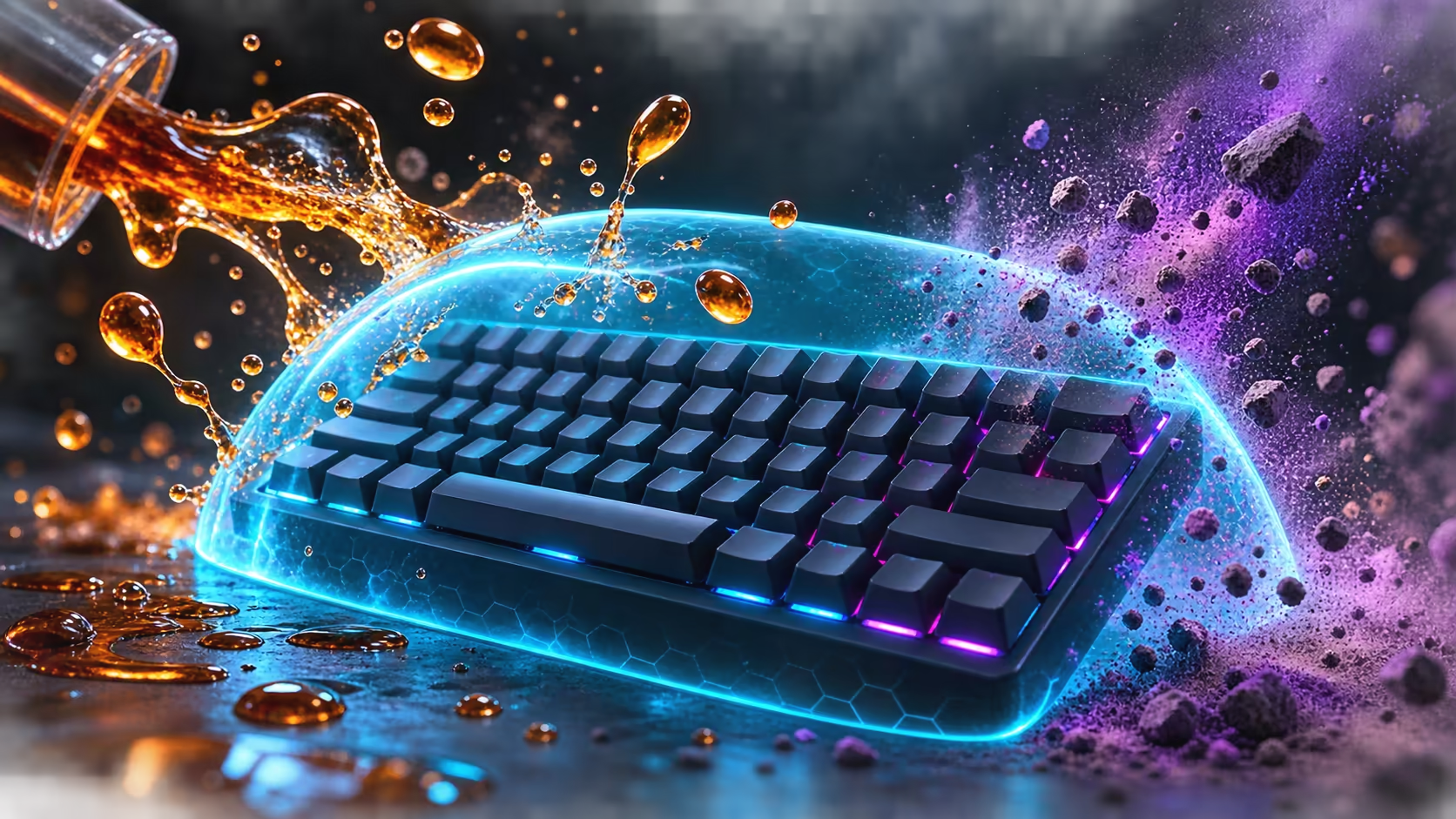
A resistance rating is a safety layer, not the first line of desk organisation. Protecting a compact gaming keyboard from spills and dust starts with drink placement beyond the cable path, routine dry cleaning and immediate disconnection after an accident. The R1,799 Corsair CLIPPER PRO MINI 60 adds IP57 water and dust resistance to those habits.
Quick Answer
Keep drinks on the far side of the mouse or on a separate surface, brush dust weekly and disconnect the keyboard immediately if liquid reaches it. The R1,799 CLIPPER PRO MINI 60 is IP57-rated, but prevention and careful post-spill handling remain essential.
🥤 Create a drink exclusion zone
Place the cup where neither a mouse sweep nor a pulled keyboard cable can knock it over. Use a stable, closed container when possible and never rest it directly behind the compact board where a hand reaches for function shortcuts.
The 60% footprint frees space, so reserve part of that space as a dry buffer instead of filling every centimetre with accessories. Evetech's gaming keyboard category helps compare form factors with desk safety in mind.
🌫️ Stop dust before it packs in
Wipe the desk before placing the keyboard, keep food crumbs away and brush loose particles from key gaps while the board is disconnected. A light weekly routine avoids the force and moisture of a later deep clean.
Cover the keyboard only when it is dry and cool, using a clean cover that does not trap moisture. Inspect cable and port areas because dust can collect where the compact case meets other desk objects.
⚠️ Respond to spills without panic
Disconnect power instead of pressing keys to see whether they still work. Blot exterior liquid gently, keep moisture away from connectors and follow the appropriate care instructions. Do not shake the board or apply direct heat.
IP57 indicates defined water and dust resistance, not immunity to every liquid, chemical or powered exposure. The rating supports careful ownership; it does not make deliberate rinsing routine maintenance.
Compare protected models through Evetech's gaming keyboard deals page, but treat accident prevention as a desk decision rather than a product feature alone.
🔎 Inspect before returning to play
Allow the keyboard to dry fully. Check key gaps, case seams, cable and port under good light. If the spill was significant, use the relevant product support route rather than relying on a quick surface inspection.
Once safe to reconnect, test every key in a neutral profile. Do not change actuation settings while checking whether the hardware recovered. The CLIPPER PRO MINI 60's MGX Hyperdrive Core switches, 0.2-3.8mm range, Rapid Trigger and 8,000Hz polling can be restored after basic input passes.
Evetech's keyboard switch selection provides background on switch technologies without changing spill procedure.
Protect the small accessories too
Keep the cable, puller and any keyboard accessories away from open drinks and dusty floor storage. A clean board paired with a contaminated connector or damaged lead still creates avoidable trouble.
Design the desk around gravity
Keep liquid lower than the keyboard where possible, and do not place a cup on a shelf directly above it. Route charging leads so a standing user cannot pull a drink across the keys. Gravity and cable movement determine many accidents before a resistance rating ever matters.
Use a tray or separate side surface for meals. The compact board's saved width makes this separation easier if the desk remains organised.
Choose cleaning tools before dirt arrives
Keep a soft brush, clean cloth and suitable storage container nearby. Having the correct dry tools reduces the temptation to use harsh chemicals, dripping wipes or extreme air pressure. Label the cloth for electronics so grease or cleaner from another household task does not reach the keycaps.
Schedule light maintenance at a regular interval. Short cleaning sessions prevent packed debris and make changes in key feel easier to notice.
Record the spill and recovery steps
If an accident occurs, note the liquid, amount, location and time of disconnection. This information guides later care or support and avoids vague guessing. After the board is safe to test, use a neutral profile and check every key in order. Only restore advanced response settings after ordinary registration is confirmed.
Build a spill-response card
Write the immediate sequence in large simple steps: disconnect, move the liquid away, blot the exterior, document the spill and follow product care guidance. Keep the card near the desk so a shared user does not press keys repeatedly or reach for a hair dryer in panic.
Include a warning not to reconnect merely because the surface looks dry. Note the appropriate support path for significant exposure and leave space to record liquid type plus time. Practise where the cable disconnects without actually spilling anything. This small rehearsal makes the response faster and safer, while IP57 remains an added layer rather than the plan itself.
Frequently Asked Questions
Where should drinks sit relative to the keyboard?
Place them outside the reach of mouse sweeps, arm movement and cable pulls, ideally on a separate stable surface.
What should happen immediately after a spill?
Disconnect the keyboard, blot external liquid gently and stop testing it until appropriate drying or support steps are complete.
Does IP57 remove the need for spill prevention?
No. It provides defined resistance, while careful placement reduces exposure in the first place.
How can dust build-up be reduced?
Clean the desk, avoid food over the keys and use a soft dry brush regularly while the board is disconnected.
Why is a compact board not automatically easier to protect?
Its smaller case can still collect debris and may sit closer to other clutter if the freed space is not managed.
What IP57 protection does this 60% Corsair model provide?
The CLIPPER PRO MINI 60 carries an IP57 water- and dust-resistant rating.
Ready to make the driest part of the desk the keyboard's permanent home? Compare Evetech's durable gaming boards, create a drink exclusion zone, and use light maintenance before debris becomes a deep-cleaning problem.