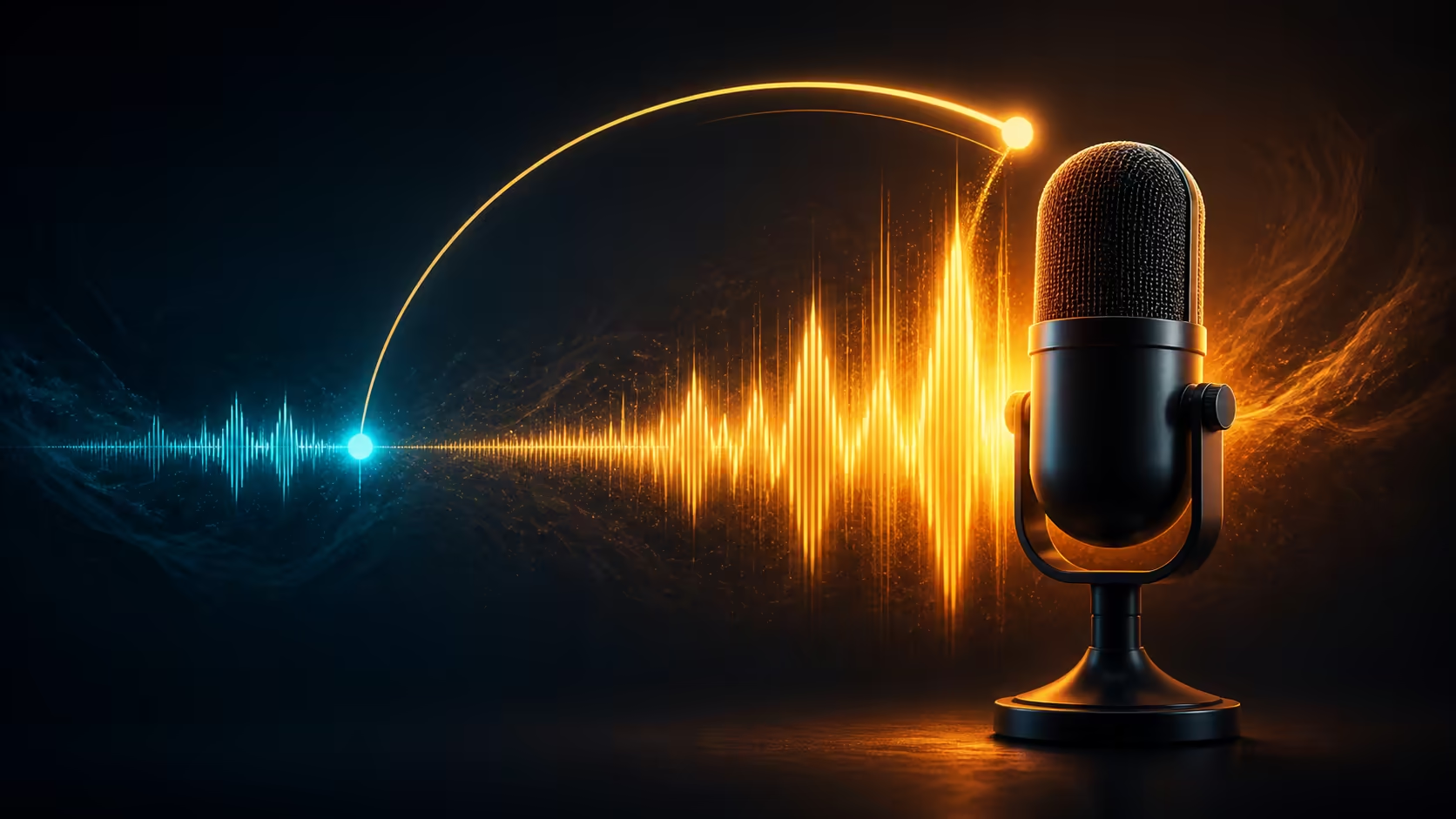
A quiet USB microphone is often listening from the wrong place or through the wrong software input. To fix a voice that sounds too quiet, first face the working side, move closer and confirm that the intended device is selected before raising every level control. The MARVO Blast 50 costs R299 and adds real-time monitoring to this troubleshooting process.
Quick Answer
Aim the Blast 50's cardioid front at your mouth, reduce unnecessary distance, select it in both the computer and application, then raise input gradually while recording normal speech. At R299, its headphone-monitoring socket helps you hear the source, but the saved file is what proves the software level is correct.
🎙️ Correct distance and direction first
Speak into the intended front rather than the top, side or rear. A directional microphone can sound unexpectedly weak when its body is rotated, and the response may become thin enough to tempt an excessive software boost.
Bring it within a comfortable speaking position and use a slight offset from direct breath flow. The closer wanted voice becomes stronger relative to room sound. Evetech's microphone range can help if another physical format would reach the seat more naturally.
🖥️ Trace the selected input through every program
Open system sound controls and speak while watching the input meter for the Blast 50. Then inspect the recording, game or call application separately. Programs can retain an older webcam or headset microphone even after a new USB device is connected.
Disable no device blindly. Instead, name the active input and record a short identifier such as "Blast 50 test" so the source is unambiguous. Compare the waveform or meter response at calm and energetic speaking levels.
🎚️ Raise level in measured steps
Increase the relevant input control gradually. Maximum settings can bring up room noise and may leave energetic words distorted. Use normal speech for the main setting, then confirm that a louder reaction still has room.
Some call applications manage input differently from recording software. Test the exact platform instead of copying one number everywhere. If an automatic level option produces unstable volume, compare it with a carefully chosen manual setting using the same sentence.
🎧 Use monitoring without confusing the route
Headphones connected to the 3.5mm jack provide real-time feedback about microphone technique. If that feed is healthy but the application file is quiet, the fault is likely later in the software route. If both are weak, return to direction, distance and physical connection.
Choose comfortable private listening from Evetech's gaming headset category when the same setup serves long calls or streams. Replay the final sample at an ordinary listening volume rather than compensating by turning the headphones unusually high.
Compare quietness across the whole sentence, not just its first word. Some speakers begin near the mic and gradually lean back, while others turn towards a second display whenever they read chat. Mark those movements during playback and reposition the stand so normal working behaviour remains inside the strong front area.
Check the USB route if the meter response drops intermittently rather than remaining consistently low. Reseat the Type-A connection, avoid a cable that is pulled tight by desk movement, and repeat the same sample. A stable physical connection must be established before application levels become meaningful.
If only one participant says the voice is quiet, compare a local recording and consider that listener's playback level before overdriving the input for everyone else. The local reference prevents one remote listening problem from becoming a distorted source.
Save a useful reference clip
Keep ten seconds of correctly levelled speech. A fresh comparison quickly reveals whether a future problem comes from moved hardware, changed speaking position or application settings.
Compare quiet speech with energetic delivery
Read the same sentence calmly and then at stream intensity. Set the microphone close enough that calm words remain clear, but leave headroom so the louder version does not distort. A setting that serves only one delivery will fail during normal conversation changes.
Inspect the level meter for both passes, then listen at equal playback volume. If quiet phrases vanish only inside one app, review that program's automatic level or voice processing instead of raising the entire system.
Eliminate silent attenuation points
Check the operating-system input level, application input control and any communication setting that lowers other sources. Change one layer at a time and label the result. Several moderate reductions can combine into a very quiet recording even when no single slider looks wrong.
After the voice is restored, repeat the loud delivery test. Recovery is complete only when quiet speech is clear and energetic speech retains clean headroom.
Save both quiet and energetic reference phrases so a later level change can be judged against the complete delivery range.
Frequently Asked Questions
What is the quickest physical check for a quiet microphone?
Confirm that the working face points towards the mouth and shorten the distance. Speak normally before changing software.
How do I know whether the wrong input is selected?
Watch the named device's meter while speaking and record an identifying phrase. Check system and application selections separately.
Should I turn every gain or volume setting to maximum?
No. Raise the relevant control in steps and preserve room for louder words. Maximum input can amplify noise and cause distortion.
Why might a call app sound quieter than recording software?
The two programs may use different inputs, levels or processing. Test and configure each one in its own controls.
Can monitoring help correct low voice level?
Yes. It reveals weak technique immediately and helps distinguish a quiet source from a later application setting.
What voice features come with the R299 Blast 50?
The R299 wired USB model combines front-focused capture with residual-noise control, immediate headphone feedback and a button for fast silence.
Ready to restore a confident voice without simply pushing every slider upward? Explore Evetech's microphone and headset ranges, then trace the signal from mouth to application in a calm, repeatable order.