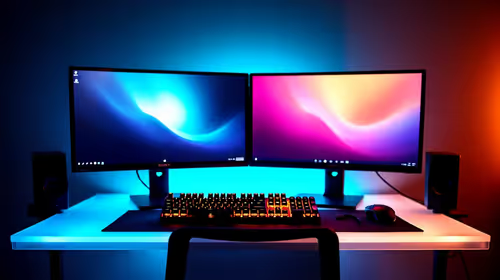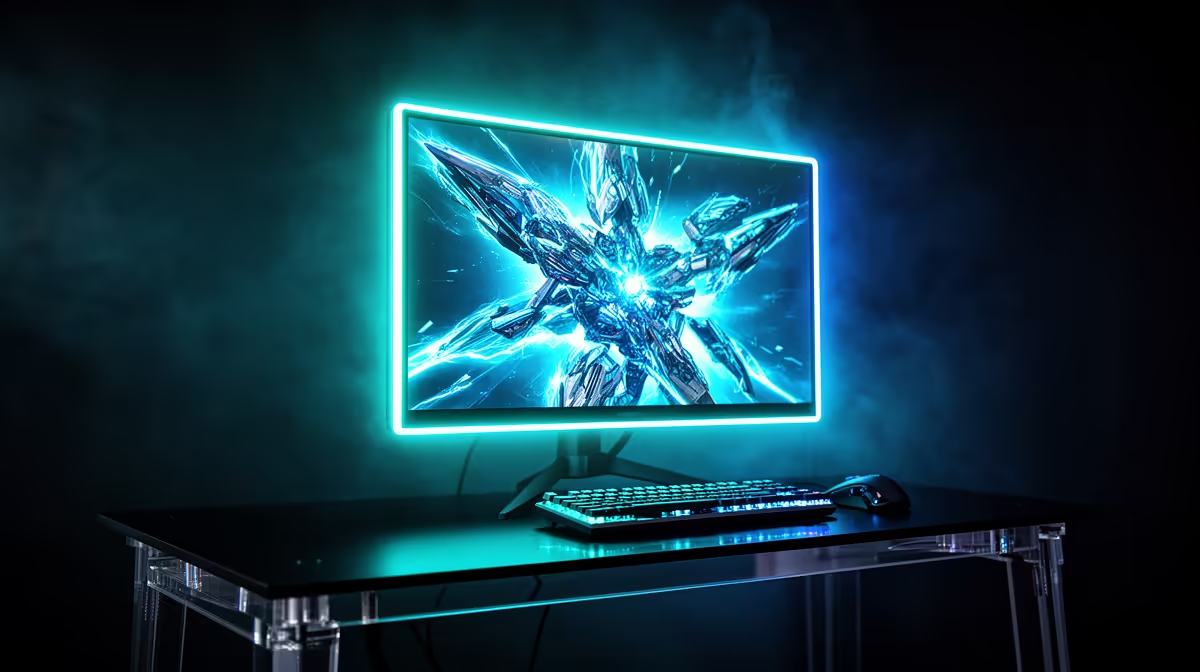
A frame rate counter that occasionally dips or stutters for no obvious reason often has nothing to do with your graphics card and everything to do with the cable carrying that signal to your screen. An 8k displayport cable built with proper shielding and conductor quality keeps fast-moving frame data intact across the full run, which matters far more once refresh rates climb into triple digits.
Quick Answer
The UGreen DP114 (R299) pairs oxygen-free copper conductors with foil-and-braid shielding specifically to keep high refresh rate signals stable without dropouts or interference. At that price, it is a small line item against the rest of a gaming setup, but it directly affects whether your monitor's advertised refresh rate is actually delivered consistently.
What Signal Dropouts Look Like in Practice 📉
A cable struggling to carry a high refresh rate signal rarely fails outright. Instead it tends to show up as intermittent flickering, a momentary black frame, or a refresh rate that occasionally seems to stutter despite your graphics card reporting steady frame delivery. These symptoms are easy to blame on drivers or the GPU itself, when the actual cause is a cable that cannot consistently carry the bandwidth a fast refresh rate demands.
Why Interference Matters More at High Refresh Rates
The more data a cable pushes per second, the more sensitive that signal becomes to electrical interference from nearby cables, power supplies or other electronics near your desk. Lower refresh rates have more tolerance built in, but pushing past 120Hz or higher leaves far less room for error before a dropped frame becomes visible.
How Conductor and Shielding Quality Prevent This 🛡️
Oxygen-free copper conductors carry a cleaner electrical signal than standard copper, reducing resistance along the length of the cable and helping preserve signal integrity across the full 1.5m run. Layered on top of that, foil-and-braid shielding forms a barrier against outside electrical interference, which is exactly the kind of protection a high refresh rate signal benefits from most, since it has so little tolerance for disruption before frames start dropping.
Gold-plated connectors complete the picture, providing a stable, low-resistance connection point at both ends where signal degradation would otherwise be most likely to start.
Diagnosing a Suspect Cable
If a monitor at high refresh rate occasionally flickers or briefly drops signal, swapping in a cable with better shielding and conductor quality is one of the cheapest troubleshooting steps available before assuming the graphics card, monitor or drivers are at fault. Since a cable issue and a hardware issue can look identical on screen, ruling out the cable first with a known-good option saves time chasing the wrong cause.
Setting Up for Consistent High Refresh Rate Gaming 🎮
Beyond cable quality, keeping the run reasonably short and away from major sources of interference, like power bricks or speaker cables, further reduces the chance of dropouts. A 1.5m length is generally short enough to avoid the signal degradation that becomes more likely over longer cable runs, while still giving enough slack for practical desk positioning. Combined with proper shielding and conductor quality, this keeps a high refresh rate connection stable rather than leaving it exposed to interference that only becomes visible once frame rates climb.
Full specifications for this cable are available on its product listing. For other lengths or connector types to compare against your own setup, the cable solutions category is worth browsing, and the gaming accessories range covers other peripherals that round out a high refresh rate setup.
Frequently Asked Questions
Can a bad cable really cause frame drops at high refresh rates?
Yes, insufficient shielding or lower-quality conductors can introduce interference that shows up as dropped frames or flickering, particularly once refresh rates climb above 120Hz.
Does cable length affect signal stability?
Longer cables generally carry more risk of signal degradation, which is why a shorter, well-shielded cable like this 1.5m option tends to perform more consistently.
What does foil-and-braid shielding actually protect against?
It reduces electromagnetic interference from nearby cables and electronics, helping the signal arrive intact rather than degraded by outside noise.
Are gold-plated connectors just cosmetic?
No, gold plating resists corrosion and provides a more stable, lower-resistance connection point than untreated metal contacts.
Should I keep this cable away from other cables on my desk?
Where practical, yes, since reducing proximity to power cables and other electronics further lowers the chance of interference affecting a high refresh rate signal.
Is R299 a reasonable amount to spend on a single cable?
Given that a poor-quality cable can undermine an otherwise capable monitor and graphics card pairing, a cable built specifically for high bandwidth and shielded against interference is a small cost relative to the rest of a gaming setup.
Ready to squeeze every frame out of a high refresh monitor? Clean, stable signal transfer is what the UGreen DP114 is built for, keeping fast-paced gaming smooth under load. It is priced at R299 in Evetech's DisplayPort cable lineup.