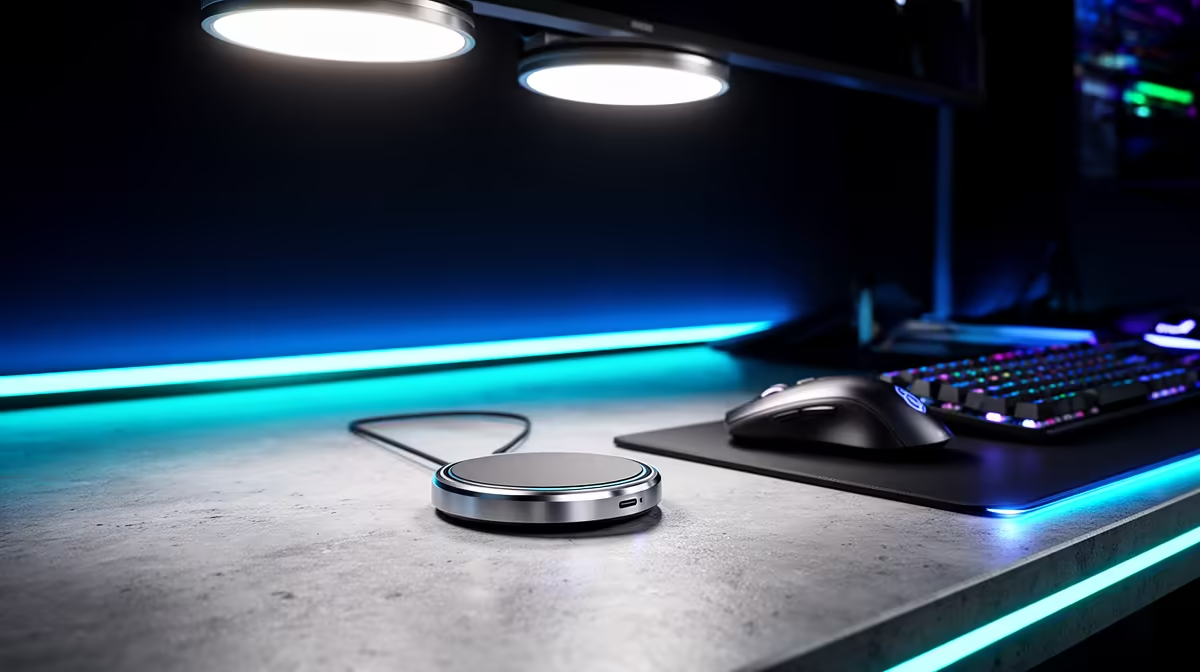
Pair a wireless charger with a compatible phone, correctly rated wall adapter, suitable cable and a cool stable surface. The charger should simplify a routine, not replace the wired fallback. Phone case, alignment and heat determine whether the setup works well.
Test the complete charging path
Confirm the phone supports the charging standard and intended power, then use the normal case. Record charge gained in thirty minutes, surface temperature and alignment failures. Check whether the wall adapter is included or must be supplied separately. Move metal objects and magnetic accessories away.
A compact charger works best when the surrounding kit is equally tidy. Pair it with a short wall lead, a stable bedside or desk stand and a case that does not obstruct the charging coil. Test heat buildup during a full charge before making it the daily routine.
No wireless charger has verified pricing in the supplied factpacks. Compare candidates on certified standard, output profiles, included adapter, case tolerance, foreign-object detection, alignment aid, surface grip, temperature behaviour and warranty. A high advertised wattage applies only when phone, pad and adapter negotiate it.
Keep the charger dry, ventilated and away from bedding or loose paper. Protect the phone account, carry a known-good wired cable for travel and stop using equipment that is damaged or unusually hot.
Buy when the case-on test remains cool and convenient. Pair it with the correct adapter and one wired fallback rather than collecting decorative charging accessories.
Pro Tip ⚡
Building a reliable charging station? > Browse Evetech mobile accessories while verifying wireless chargers separately.