A podcast recording setup is not enough for home security. Microphones, audio interfaces and streaming software are designed to create content, not to detect entry, retain protected footage or send dependable alerts. Reusing a creator PC may be possible, but cameras, power, storage and network security still require a separate design.
Define the security event
Choose the entrance, room or asset that needs coverage and what should happen after motion. Test faces, backlight, night conditions, Wi-Fi signal and notification delay at the intended mount. Decide how long clips remain available and who may view them. Audio capture also raises privacy and consent concerns.
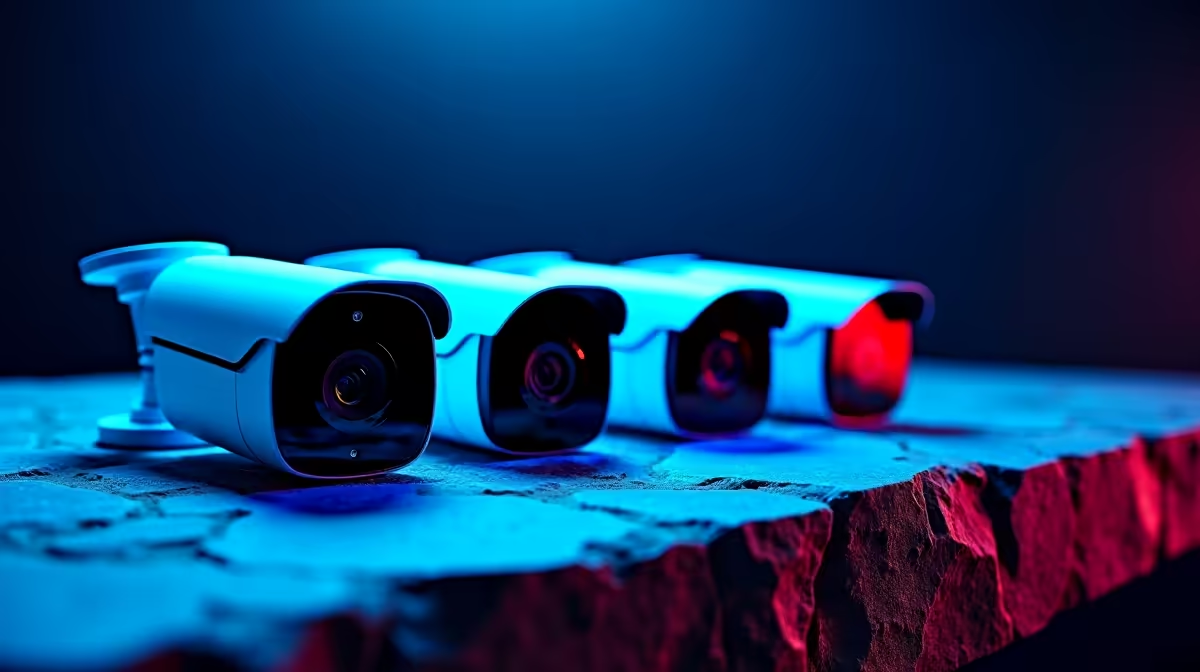
The TP-Link Tapo C212 Wi-Fi camera is factpack-verified at R451. Confirm current power, resolution, storage, app, privacy, firmware and warranty details. Do not assume outdoor suitability or battery operation. For local camera-oriented storage, the Seagate SkyHawk 2TB surveillance drive appears at R1,340 and needs a compatible host or recorder.
Change default credentials, enable multifactor authentication where offered and isolate security devices appropriately. Keep cameras away from private household areas and views beyond the property. A creator microphone should stay dedicated to production rather than becoming an always-listening sensor. Buy security equipment after the placement and alert tests succeed, then document a response plan. Clear podcast audio cannot compensate for a missing camera view, failed power supply or account that an intruder can access remotely.
Planning connected home security? > Compare verified cameras and storage with Evetech around placement and retention.