Two-Tier Loadout Plan: Buy Cheap Now, Upgrade What Matters
Quick Answer
Start with functional gear that lets you play today: a reliable wired mouse, usable pad, keyboard, audio and suitable display. Upgrade one or two pieces after real sessions identify the limit.
The first tier should be safe and dependable, not disposable. The second tier needs a named gain such as high refresh, better mouse fit or clearer team audio.
Define the Functional Floor
The mouse must track cleanly and fit the hand. The pad must cover the full swipe. The keyboard must register every game combination.
Audio must keep calls understandable at safe volume. The monitor must accept the PC output at a useful resolution and refresh.
Write those pass conditions before comparing products. Cheap gear without a pass line becomes waste.
Use Wired Gear to Protect Tier One
Wired mouse, keyboard and headset options can avoid batteries and wireless premiums. Check cable length, flexibility and platform connection.
Route cables safely and leave mouse slack. A cable snag is a setup fault worth fixing before the second tier.
Wireless can move into tier two when freedom solves a logged problem.
Buy One Useful Pad
Measure the turn distance and desk. A consistent cloth surface can serve several mouse upgrades.
Choose actual dimensions rather than a size name. Keep the surface clean and dry it flat after approved cleaning.
A good pad is a cheap first-tier part that may remain in the final loadout.
Make the Monitor a Planned Branch
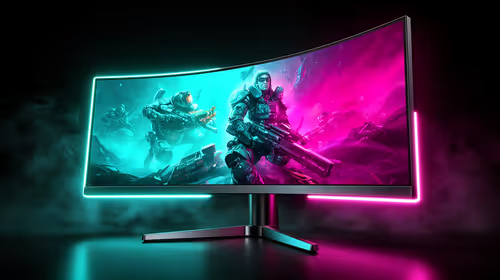
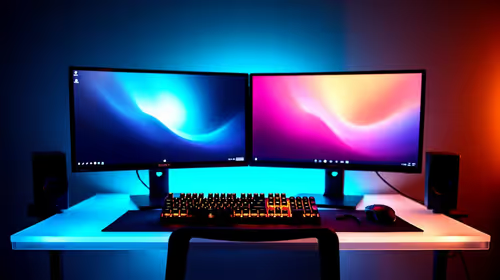
If the current screen is 60Hz and the PC produces high frames, a 144Hz or 165Hz monitor can become the second-tier priority.
If the PC stays below that range, save for the PC first or choose a display matched to current output. Check adaptive sync and response, not only maximum refresh.
Include the cable and stand path in the later budget.
Test for Thirty Days
Log missed inputs, pad edges, audio confusion, display tearing and comfort. Keep game settings stable.
Separate hardware faults from practice and network trouble. A lost match is not evidence by itself.
At day thirty, rank the repeated problems. Upgrade the top one and keep the rest of tier one.
Shop by Role
Browse peripheral best sellers for complete first-tier candidates. Use gaming accessories for pad, cable and mounting needs.
Open the exact specification. Confirm platform support, dimensions, connection and written warranty.
Avoid a cheap bundle when one failed item forces the whole set to be replaced.
Decide What Carries Forward
The pad, keyboard or headset may already pass the final target. Mark it keep.
Sell nothing in the plan before the new device proves itself. Keep a healthy spare for troubleshooting or another suitable setup.
Store receivers, cables, keycaps and receipts together. A staged loadout works when each step remains documented.
Set a Tier-Two Budget Before the Trial
Write the maximum future amount beside each possible upgrade. This keeps a month of product browsing from turning a small fault into a flagship purchase.
For the monitor, include cable or mount. For a mouse, include the pad and any receiver extension. For a headset, include the required PC or controller connection.
Do not reserve the same money for three upgrades. Rank them after the trial and fund one.
Use a Replacement Matrix
Give every first-tier device four scores: function, fit, reliability and upgrade room. Use pass, weak or fail rather than vague numbers.
A mouse can pass tracking and fail fit. A keyboard can pass every input and be weak on desk space. The matrix shows the precise job of tier two.
When a device passes all four, freeze it for six months. Remove it from shopping lists and recommendation feeds.
Check Compatibility Before the Second Purchase
A high-refresh monitor needs a GPU output, cable and frame-rate range that support it. A wireless headset needs current platform and chat compatibility.
A compact keyboard needs every required bind. A new mouse needs pad room and software support for the operating system.
Read the exact product page and written warranty. Staged buying does not excuse a rushed compatibility check.
Retest the Whole Setup
After the tier-two change, repeat the same game scene and comfort session. Keep the first-tier devices and settings stable.
Record whether the original fault disappeared and whether a new one appeared. A faster monitor can expose unstable frame delivery; a larger pad can expose poor cable routing.
If the upgrade passes, save its profile and stop. Tier two is a destination, not an invitation to replace everything else.
FAQ
Does cheap now mean buying twice?
It can when tier one is disposable. Choose reliable functional parts that can remain as spares or final pieces.
Which part should reach tier two first?
The one tied to the most repeated physical limit. For many setups that can be the monitor or mouse, but the log decides.
How long should I test tier one?
Use enough full sessions to expose comfort and intermittent faults. Thirty days gives a useful sample when the gear remains safe.
Set a functional pass line for every first-tier device, log thirty days of real play, and upgrade only the piece with the most repeated fault.