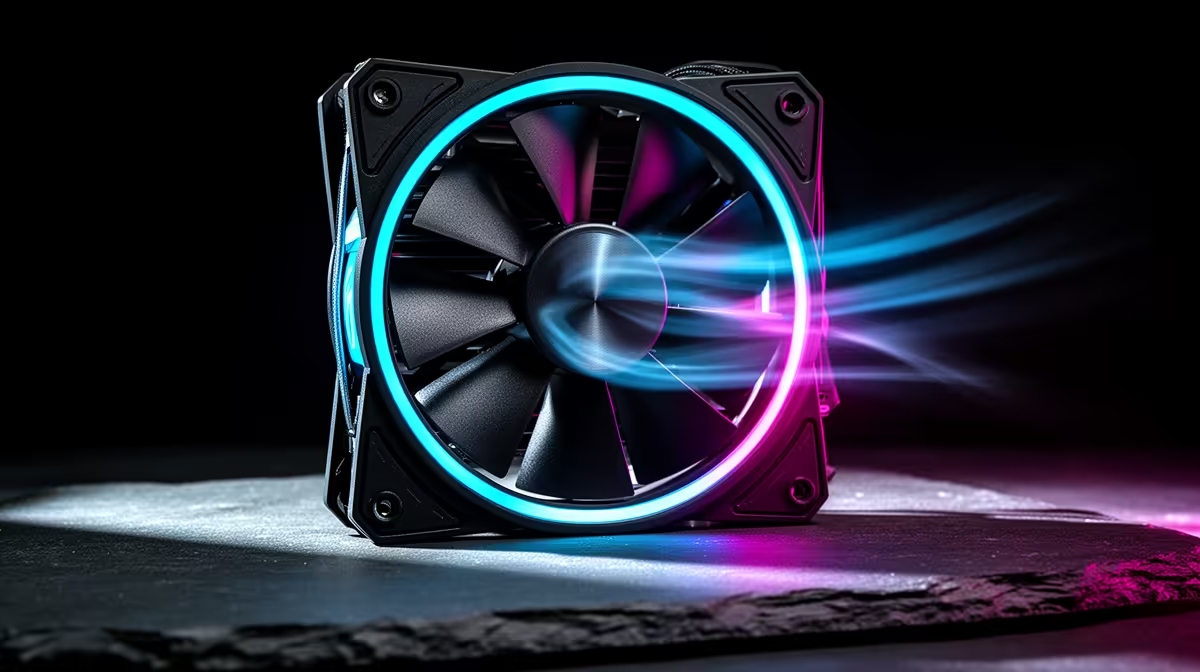
Poor airflow shows up as higher temperatures and a struggling system, and a case fan is often blamed before the real cause is found. Diagnosing the airflow problem first can save you from upgrading a fan that was never the issue.
Quick Answer
Diagnose poor airflow before upgrading the fan: clogged dust filters, a wrong fan direction, or a bad intake-exhaust balance cause most of it. These are free to fix. Replace a fan only if it spins slowly or has failed. A solid airflow fan around 60 CFM costs R280 to R460 if a swap is genuinely needed.
Diagnosing The Airflow Problem
Check the dust filters first; a clogged front filter starves intake and is the most common culprit. Confirm fan direction, since a reversed fan fights the airflow. Look at balance: too much exhaust and not enough intake creates negative pressure that pulls dust and hurts cooling. All three are fixable without a new fan.
When The Fan Itself Is At Fault
If filters are clean, direction is right, and balance is sound but temperatures stay high, check whether the fan is spinning at its rated speed. A fan that barely turns or stalls has likely failed and should be replaced with a proper airflow-oriented model in the right position.
FAQ
What most often causes poor case airflow?
Clogged dust filters are the leading cause, choking intake. Reversed fan direction and a poor intake-exhaust balance are the next most common, and all three cost nothing to correct.
How do I check if a fan is blowing the right way?
Most fans have arrows on the frame showing airflow direction. Front and bottom fans should pull air in; rear and top fans should push it out. Reversed fans hurt airflow badly.
Should intake or exhaust dominate?
A slight positive pressure, with a little more intake than exhaust, keeps dust out and airflow strong. Too much exhaust creates negative pressure that draws dust through every gap.
front dust filter and check fan direction before buying. A clogged filter mimics a failing fan more often than people expect.