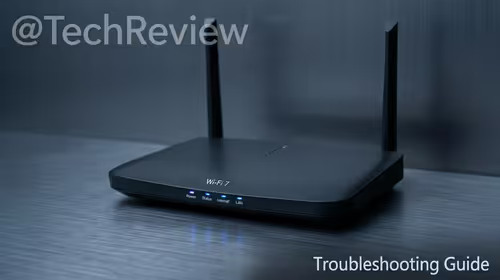
A Vox fibre deal is only useful once it works at the address where the household will use it. The advertised package is one part of the decision; the access network, upload speed, usage rules, support process and Wi-Fi coverage shape the day-to-day result. Compare those pieces together before treating a low monthly figure as the full story.
Quick Answer
Check serviceability for the exact address first, then confirm the fibre network operator, line speeds, installation position and current terms. Compare the upstream speed as carefully as the downstream figure if the household uploads backups, joins video calls or sends large files. Finally, separate the fibre line from the home Wi-Fi question, because a correct line test does not guarantee good coverage in every room.
📶 Start with the line and operator
An ISP account and the company that owns or manages the physical fibre access line can have different responsibilities. The ISP normally handles the service relationship, while the network operator may need to investigate a physical line fault. Knowing which network serves the street makes support updates easier to interpret when a problem occurs.
Ask where the termination equipment will be placed and whether the installation status affects the first available date. A fibre offer that looks suitable on a suburb-level map may still need an address-level check. Keep the quoted order terms, support contact route and any installation notes together so the household knows what was agreed.
🧩 Match speed to busy-hour use
Count simultaneous activity, not just devices. A family might have a video call, several streams, a game download and a cloud backup happening together, while many phones are idle. Leave headroom for that busiest period instead of selecting a line only because one device can browse quickly in an empty home.
Uncapped wording also deserves a proper read. It usually means there is no fixed monthly data allowance, not that every package has identical network-management rules. Read the current acceptable-use policy and ask how the provider communicates service changes or planned maintenance.
📡 Treat Wi-Fi as its own project
Fibre can arrive at full speed and still feel disappointing in a room beyond two concrete walls. Router placement, device radios, interference and the size of the home all affect wireless performance. Put the router in a central, open location where practical rather than hiding it inside a cabinet beside the termination point.
The fibre router range is useful when your existing equipment cannot cover the household's real layout. Compare that alongside wireless networking options if a separate access point or mesh approach better suits a long passage, second floor or outbuilding.
✅ Keep support checks practical
Before reporting a fault, note whether every device is affected, whether a wired test differs from Wi-Fi, and when the issue began. That evidence helps distinguish an access-line problem from a local coverage issue. Save the provider's escalation method and contact hours before an outage, not during a frustrated late-night search.
Frequently Asked Questions
What should I confirm before ordering?
Verify serviceability at the exact address, the network operator, line speeds, installation details, current terms and the route for support.
Does line speed guarantee fast Wi-Fi?
No. Walls, distance, interference, router position and the device itself can reduce wireless performance even when the fibre line tests correctly.
Why does the network operator matter?
It manages the physical access line, while the ISP provides the account and coordinates support. That split can affect how a fault is investigated and communicated.
How much speed does a household need?
Base the choice on activities happening at the same time, then allow room for downloads, calls and backups during the busiest part of the day.
Ready to improve Wi-Fi around a fibre connection? Explore Evetech router and wireless networking options after checking the layout and devices in your home.