Memory specifications are often compressed into one line, even though they answer different questions. "8GB GDDR6, 128-bit" combines capacity, memory type and interface width; it does not state a professional application result. A proper 8GB GDDR6 and 128-bit memory breakdown keeps each term separate, then reconnects them through a controlled workload.
Quick Answer
The A1000's memory package is 8GB GDDR6 on a 128-bit interface delivering 192GB/sec, serving an Ampere GPU with CUDA, RT and Tensor cores.
Eight gigabytes states VRAM capacity, GDDR6 names the memory type and 128-bit describes the interface. The A1000 combines that subsystem with 2304 CUDA cores on an Ampere GPU, priced at R12,099. Professional performance still comes from an application test rather than a calculation based only on memory figures.
🧭 Capacity: what 8GB answers
VRAM capacity is working space available to the GPU. A 3D scene may place geometry, textures and render data there. Video applications can use memory for frames, effects and accelerated operations, while engineering tools may keep visualisation or compute data close to the GPU.
The required amount depends on active data, not merely the name of the profession. Two CAD projects can differ dramatically in assembly size and visual detail. Two editing timelines may use different resolutions, codecs and effects. That is why a buyer should test typical and difficult recurring files.
Watch application messages and behaviour alongside memory readings. A tool may reserve memory without using all of it immediately, so a high allocation is not automatically a failure. Warnings, failed operations, major responsiveness changes and repeatable capacity pressure provide stronger context.
Eight gigabytes can be sufficient when the working set fits with useful headroom. It becomes limiting when required projects regularly exceed practical capacity. Neither conclusion should be carried from one application to another without evidence.
🧭 Interface width: what 128-bit means
The 128-bit figure identifies the width of the memory interface. It is not another way to say 8GB, and it cannot be added to capacity. Bus width forms part of the memory subsystem through which the GPU and memory exchange data.
A wider number does not automatically make a complete card better for a workstation. Memory type, operating characteristics, architecture, software and project all influence the observed result. The target is not the widest interface; it is reliable completion of the required work.
Do not calculate bandwidth from width alone. Obtain the additional technical values needed for a valid calculation from the card's current documentation, or use a real workload to compare complete GPUs. A width-only estimate creates false precision.
The A1000's interface should therefore remain attached to its full identity: 128-bit memory, 8GB GDDR6, Ampere and 2304 CUDA cores. Breaking one figure away from that system makes the comparison less useful.
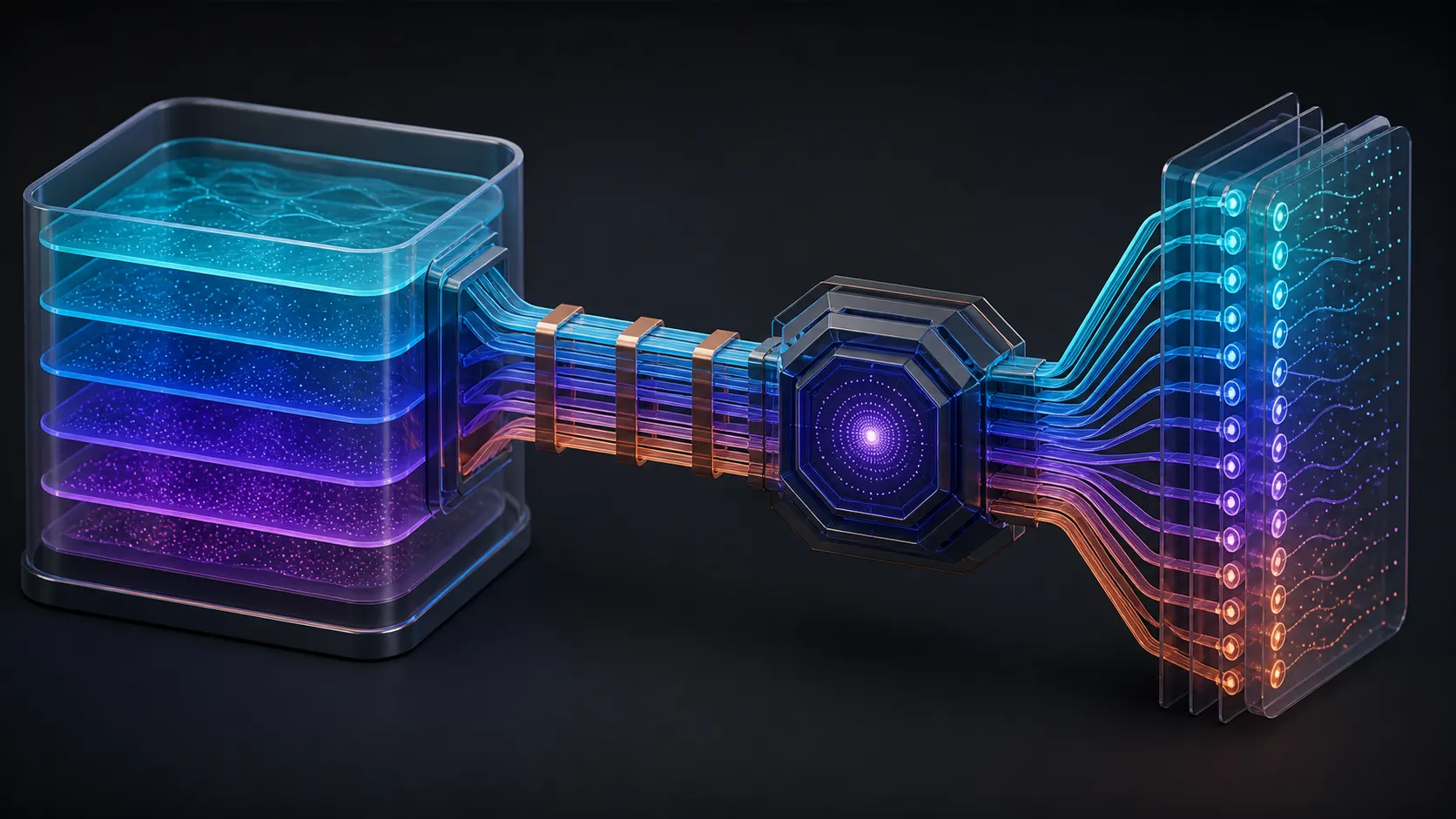
🧭 Compute and architecture complete the card
The 2304 CUDA cores provide parallel compute resources that supported software may use. They do not expand the 8GB capacity, and available memory does not establish how quickly compute work completes. A workload can be capacity-bound, compute-bound or constrained in another stage.
Ampere architecture provides design context for those resources. Architecture names help distinguish GPU generations, but they cannot promise results in CAD, rendering, editing or AI. The current software version and feature path remain essential.
Build a test that records project, device selection, application settings, elapsed time and output correctness. Observe whether memory pressure appears and whether the accelerated stage engages the GPU. This creates evidence for the complete configuration.
Evetech's workstation graphics card range provides alternatives for comparing different capacities and resource balances. Keep the test file constant so the card changes while the question stays the same.
Apply the breakdown to the A1000
The PNY RTX A1000 product costs R12,099. That price covers its Ampere GPU with 2304 CUDA cores and the 8GB GDDR6, 128-bit memory configuration.
Ask four buying questions. Does the application support the card? Do representative projects fit within practical memory capacity? Does the accelerated stage use the available compute resources? Does the complete component suit the workstation physically and electrically?
The first three require software and project evidence. The fourth needs exact dimensions, power, connectors and platform information for the installed system. None can be answered by the 128-bit value alone.
Local AI tools may add model-specific capacity and framework requirements. When the upgrade affects more than graphics, Evetech's AI PC category offers a broader path. Check each tool rather than assuming that Ampere or CUDA settles support.
🧭 A repeatable memory evaluation
Choose a normal project and a high-demand project. Run the operation that matters, observe memory behaviour and retain required quality. Note any warning, failure or change in responsiveness. Repeat after one controlled project adjustment to see whether capacity is involved.
Next compare a different complete card using the same files. Do not attribute every difference to interface width or VRAM; the GPU architecture and compute resources also changed. The result belongs to the card under the workload.
Keep the record for future project growth. When file sizes or software versions change, repeat the trial. This turns an 8GB decision into a maintained capacity plan rather than a permanent rule.
Build a memory-subsystem comparison sheet
Give capacity, type and interface width separate columns. Add architecture, compute resources, project fit and measured result beside them. This layout prevents 8GB and 128-bit from being blended into a fictional combined score.
For each candidate, note the exact project symptom: fits comfortably, approaches capacity, fails an operation or shows no memory-related issue. Use short observational language rather than guessing at hidden behaviour.
If two cards have different interface widths and both pass the workload, compare total value and headroom. The wider figure does not need to become the winner when the professional requirement is already met at a lower cost.
When documenting the subsystem, keep units and labels exact. Write 8GB as capacity and 128-bit as interface width; never place them in a column that suggests direct addition or conversion.
Before purchase, trace every conclusion to a measurement or named specification. Any unresolved point should remain a check that must be completed before sign-off.
This small audit catches confident-looking calculations and prevents memory terminology from drifting as the comparison is shared across design, engineering and procurement teams.
Capacity, interface width and bandwidth answer different questions. Eight gigabytes limits how much active graphics data can remain resident, 128-bit describes the physical path, and 192GB/sec states the resulting transfer rate. The processor drawing from it includes 2,304 CUDA, 18 RT and 72 Tensor cores. Professional performance emerges from that entire chain plus the behaviour of the selected application and project.
Frequently Asked Questions
What does 8GB GDDR6 describe?
Eight gigabytes is the graphics-memory capacity, while GDDR6 is the memory type. Together they identify two properties of the A1000's VRAM.
How is 128-bit different?
It describes memory-interface width. It neither increases the 8GB capacity nor proves how a professional application will perform.
Which card combines these memory specifications?
The PNY RTX A1000 uses 8GB GDDR6 and a 128-bit interface, accompanied by Ampere architecture and 2304 CUDA cores.
Can memory figures prove GPU performance?
No. They provide useful design information, but application support, compute resources, project complexity and other system components influence the result.
What is the Rand price of this configuration?
The RTX A1000 is R12,099. Compare that amount with measured project fit and complete card requirements, not memory width alone.
Ready to read GPU memory figures without collapsing them into one score?
Compare Evetech workstation cards with capacity, interface, compute and a repeatable project test kept on separate lines.