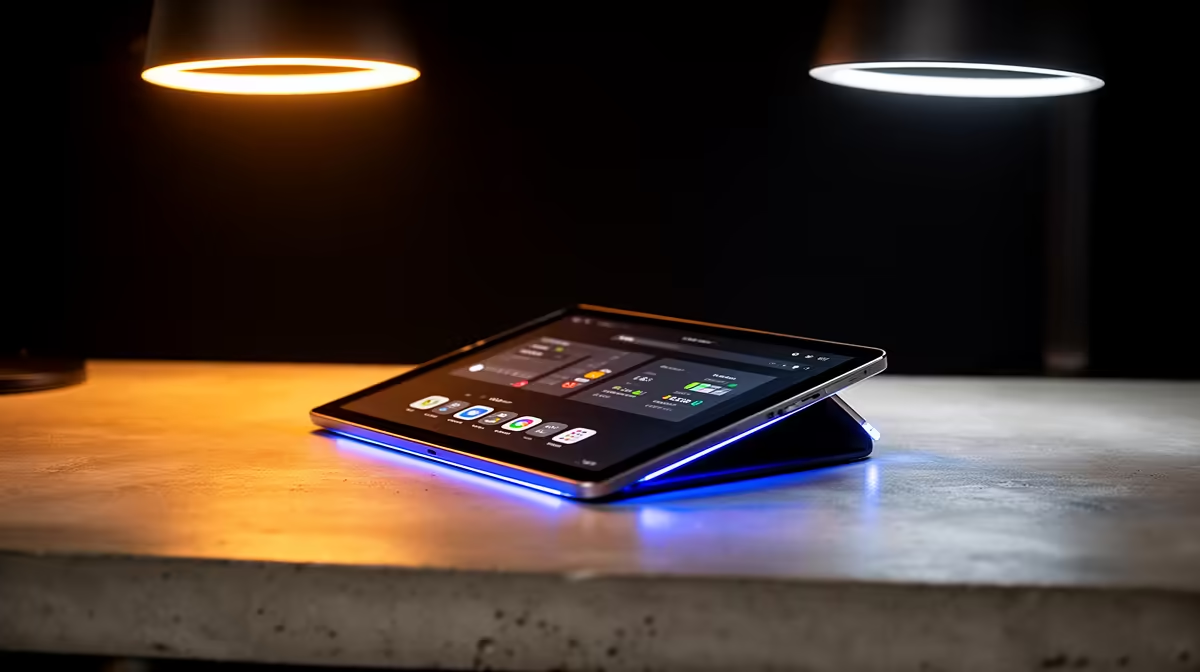
An Android tablet can be the right choice for a remote worker who mainly uses browser tools, calls, documents and remote desktop, provided every critical application works on Android. It becomes frustrating when desktop-only software, file management or external-display support is central to the job.
Rehearse one complete workday
Open communication, company portals, documents, video meetings and the remote-access route together. Check multitasking, keyboard, mouse, file export, camera, battery and charging. Test offline access and institutional authentication, then confirm how the worker recovers when the tablet is lost or replaced.
No Android tablet has verified pricing in the supplied facts. The ASUS ExpertBook P1503 laptop with Core i5-13420H, 8GB memory, 512GB storage and Windows 11 Pro is verified at R9,858 as a separate computer reference. For tablets, verify operating system, memory, storage, keyboard, updates, ports and warranty.
Use a strong screen lock, multi-factor authentication and approved device management where required. Encrypt or minimise local company data and keep work files in sanctioned backups. Test external displays and VPNs before travelling.
Buy the tablet only when the full-day rehearsal passes without workarounds. A laptop remains safer when desktop software and extensive typing dominate.
Remote workers should confirm keyboard support, video-call behaviour and desktop application limits before replacing a conventional computer.
Choosing remote-work hardware? > Compare Evetech laptops while validating Android options separately.