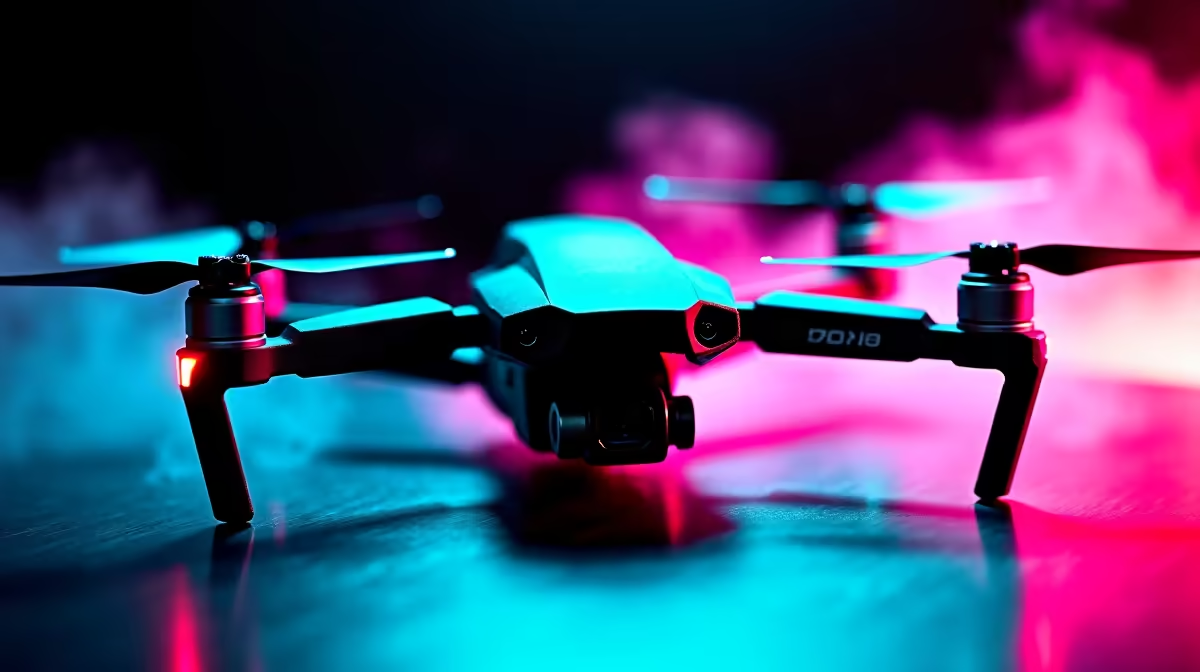
Camera drones hover, hold position and dodge obstacles for you. An FPV drone does the opposite, and that is the entire appeal. You strap on goggles, the world tilts to the drone's perspective, and every input is yours to make. There is no GPS hold catching your mistakes and no automatic braking, just raw speed and immersion. Choosing your first FPV setup in South Africa means picking the right entry point and understanding the SACAA rules before you ever power up.
Quick Answer
For an FPV hobbyist getting into first-person flight, prioritise a goggles-based setup with manual control over the GPS automation and obstacle sensing of camera drones, because FPV is about speed and immersive perspective. A ready-to-fly FPV kit with goggles and controller is the simplest start. In South Africa, check SACAA visual line-of-sight rules before flying.
How FPV Differs From a Camera Drone
The gap between the two is fundamental, not cosmetic. A camera drone is built to be forgiving: GPS keeps it parked in the air, sensors stop it hitting things, and letting go of the sticks brings it to a stable hover. An FPV drone strips most of that away in exchange for response and feel.
The Control Philosophy
In FPV, you fly the aircraft directly. In the more advanced acro mode, releasing the sticks does not stop the drone; it keeps its current rotation, so you are always actively flying. That demanding control is exactly what makes diving, rolling and racing feel so visceral, and it is why FPV has its own dedicated following separate from photography drones.
The View
A camera drone shows you a screen on the controller. FPV puts you inside the aircraft through goggles fed by a live video link. That immersion is the draw, but it also raises the stakes, because your eyes are no longer on the drone itself, which matters a great deal for the SA rules below.
The Realistic Entry Points
There are three sensible ways into FPV, and the right one depends on how much you want to tinker.
Ready-to-Fly Kits
The easiest start is a complete FPV bundle: drone, goggles and controller designed to work together out of the box. These pair a stabilised "cruise" mode for beginners with a full manual mode you can graduate into. For most newcomers this is the path of least frustration, since everything is matched and there is no building.
Tiny Whoops for Indoor Practice
A small ducted "whoop" drone is the cheapest, safest way to learn the FPV control feel. You can fly it indoors or in a garden, crashes do little harm, and the muscle memory transfers directly to bigger aircraft. Many SA flyers buy one of these first and keep it for rainy-day practice long after they move up.
The Simulator First
Before spending on hardware at all, a flight simulator on your PC with a real controller is the single best investment in not crashing. An hour a day in a sim for a week builds the reflexes that save your drone in the field. It costs little and protects everything you buy afterward.
What to Look For in Your First FPV Drone
Beyond the kit type, a few specifications shape the experience.
- Flight modes. A beginner-friendly stabilised mode plus a path into manual acro flight lets the drone grow with your skill.
- Goggle and video quality. A clear, low-latency video feed matters more than almost anything, because lag in the goggles makes precise flying impossible.
- Spare parts and propellers. You will crash while learning. A drone with cheap, available props and parts is far less painful to own.
- Battery and charging. FPV flight is power-hungry, so plan for several batteries and a proper charger to get meaningful airtime per session.
To keep a learning pilot in the air, the consumables matter as much as the drone, and stocking up on the right batteries, chargers and small gear from the Evetech accessories best sellers keeps a crash from grounding you for a week.
The SACAA Rules You Must Know
This is the part casual guides skip, and in South Africa it is not optional. The South African Civil Aviation Authority governs drone flight, and FPV sits in an awkward spot because the rules expect you to keep the aircraft within visual line of sight.
The core tension: standard recreational rules require you to see your drone with your own eyes, but FPV by definition has your eyes in the goggles. The widely used solution is a spotter, a second person who keeps the drone in sight and maintains visual line of sight while you fly through the goggles. Beyond that, the general recreational expectations apply: keep clear of airports and controlled airspace, do not fly over crowds or people who have not consented, respect altitude limits, and stay away from sensitive sites.
Read the current SACAA guidance directly before you fly, because the rules can change and the responsibility is yours. Flying FPV legally in SA is entirely doable; it simply requires a spotter and a bit of homework first.
Where FPV Fits in a Connected Setup
FPV is a hobby of its own, but it slots neatly alongside the rest of a tech-minded household's gear. Chargers, smart plugs for managing a battery-charging station, and other connected kit all play a supporting role. Browsing the smart home and connected devices category at Evetech is a practical way to round out the bench around your drone hobby.
Who FPV Is Really For
FPV rewards people who enjoy the act of flying itself: the racers, the freestyle pilots, the ones who like mastering a difficult skill. If your goal is smooth aerial photography of a wedding or a property, a stabilised camera drone is the right tool instead. But if you want the rush of threading a gap at speed with the world rushing past your goggles, nothing else comes close, and the learning curve is part of the reward.
Frequently Asked Questions
Do I need a spotter to fly FPV in South Africa?
In practice, yes. SACAA recreational rules expect the drone to stay within visual line of sight, and goggles put your eyes inside the aircraft. A spotter who keeps the drone in view satisfies that requirement and is the standard way SA flyers operate legally.
Should I start with a ready-to-fly kit or build my own?
For most beginners, a ready-to-fly kit is the better start. Everything is matched and works out of the box, so you focus on learning to fly rather than troubleshooting a build. Building your own makes more sense once you understand the hobby.
Is a simulator really worth it before buying a drone?
Yes. A flight simulator with a real controller builds the reflexes that prevent crashes, for very little cost. An hour a day for a week in a sim will save you far more than that in repairs once you fly the real thing.
What is the difference between an FPV drone and a camera drone?
A camera drone uses GPS and sensors to hover, avoid obstacles and fly itself smoothly. An FPV drone gives you direct manual control through goggles, with no automatic stabilisation in acro mode. FPV trades safety nets for speed, response and immersion.
How many batteries should I buy to start?
Plan for several. FPV flight drains batteries quickly, often giving only a few minutes of aggressive flying each, so three or four packs and a decent charger let you practise for a worthwhile session instead of stopping after one flight.
Ready to put on the goggles? Make sure your bench is stocked with the batteries, chargers and spares to keep you flying by browsing the accessories best sellers at https://www.evetech.co.za/accessories-best-sellers/x/1919, and always check the current SACAA rules before your first flight.