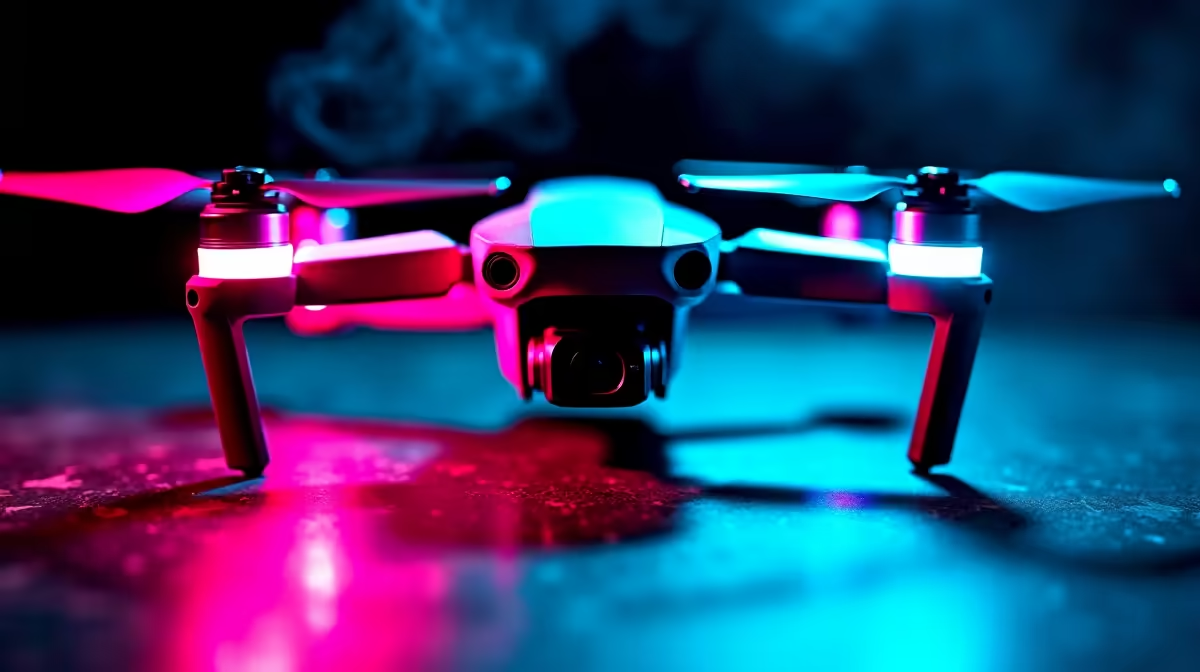
Strap on a set of goggles, push the throttle, and the world tilts with you. FPV drones stream a low-latency video feed straight to a headset, putting you inside the aircraft for the kind of swooping, gap-threading, first-person flight a normal camera drone simply cannot do. The DJI Avata 2 leads the all-in-one pack, and the picks below cover where to start and how to choose.
Quick Answer
The best all-in-one FPV drone right now is the DJI Avata 2, which pairs goggles, a controller, and a crash-tolerant design for immersive flying out of the box. FPV drones differ from camera drones by sending a live video feed to goggles, so you fly from the drone's point of view rather than watching a screen at arm's length. Beginners should start with a ready-to-fly system; experienced pilots may prefer a custom build.
What Makes A Drone FPV
The defining feature is the goggles. Instead of looking at a phone or a controller screen, you wear a headset that shows a live, low-latency feed from the drone's camera. That immersion is the whole point, because it lets you react instantly and fly with a precision and presence a top-down screen view cannot match.
Low latency is what makes it usable. The feed has to reach your eyes fast enough that what you see matches what the drone is doing in real time, which is why FPV systems use dedicated transmission rather than ordinary streaming. Lag would make fast, close-quarters flying impossible.
The DJI Avata 2: The All-Rounder
The Avata 2 is the easiest way into immersive flight. It bundles the drone, goggles, and a motion controller into one ecosystem, so there is no separate gear to source and pair. Its compact, propeller-guarded body shrugs off the bumps that come with learning, which matters because FPV has a steeper learning curve than camera drones and you will make contact with things early on.
It delivers the signature FPV shots: low passes, fast dives, and tight gap runs, all in a package a newcomer can actually manage. For most people asking where to start with immersive flying, this is the answer.
Why It Suits Beginners
The motion controller lets you steer with intuitive hand movement before you graduate to a full FPV stick controller, and built-in stabilisation and safety features smooth out the early mistakes. You get the immersive experience without first having to master the unforgiving manual modes that scare people off FPV.
Cinematic FPV Versus Racing
FPV splits into two broad camps, and knowing which you want shapes the buy. Cinematic FPV is about smooth, sweeping footage: flowing camera moves through spaces, around subjects, and across landscapes that look impossible with a standard drone. The Avata 2 and similar all-in-one units target this style.
Racing and freestyle FPV is a different sport. These drones are lighter, faster, and flown in fully manual modes for maximum agility, often as custom builds tuned by the pilot. They are exhilarating and demanding, and they reward time on a simulator before you ever leave the ground.
Custom Builds For Experienced Pilots
Pilots who outgrow ready-to-fly systems move to custom rigs, choosing their own frame, motors, flight controller, and camera, and flying with dedicated goggles and an FPV transmitter. The payoff is total control over performance and repairability. The trade-off is that you assemble, tune, and maintain everything yourself, which is rewarding for hobbyists but overkill for someone who just wants great footage.
Buying Notes For SA Pilots
Before you fly, factor in the local rules. South Africa regulates drone use, and depending on weight and how you fly, registration and operating requirements can apply, so check the current regulations before your first flight rather than after. Practising on an FPV simulator first saves money, because virtual crashes cost nothing.
Spare propellers, extra batteries, and a decent case are not optional with FPV, since you will crash while learning and you do not want one broken prop to end a flying day. Those add-ons, along with related gear, sit in the smart home and electronics range at Evetech. For controllers, storage cards, and other accessories that round out a flying kit, check the top-selling accessories at Evetech to see what SA pilots are reaching for most.
Goggles And The Feed Make The Experience
It is easy to focus on the drone and forget that the goggles are half the system. The headset is what delivers the immersion, and a feed that is sharp, stable, and low-latency is what separates a thrilling flight from a disorienting one. The DJI ecosystem keeps this simple by pairing matched goggles and drone out of the box, so the transmission is tuned to work together rather than cobbled from mixed parts.
Field of view and clarity in the goggles shape how present you feel. A wider, sharper view pulls you further into the aircraft's point of view, which is the entire reason to fly FPV in the first place. If you later move to a custom build, the goggles become a separate, deliberate purchase, and pilots often spend as much care choosing them as choosing the airframe, because poor goggles undermine an otherwise excellent drone.
Flight Time And Batteries
Be realistic about how long a single charge lasts. FPV flying burns batteries quickly, and a single pack often gives only a short flight, so any serious session means several charged batteries in rotation. Factor the cost of spare batteries and a multi-charger into your budget from day one, because flying for a few minutes and then waiting to recharge takes the joy out of a trip to the field.
Building Your Skills Safely
FPV rewards practice more than almost any other drone hobby, and the smart pilots build skill on a simulator before risking real hardware. A good FPV simulator runs on a PC with your actual controller plugged in, recreates the physics closely enough to transfer, and lets you crash endlessly at no cost. Hours in the sim translate directly into confidence and reflexes in the air.
When you do fly for real, start in the assisted or stabilised modes that all-in-one drones provide, and only graduate to fully manual once the basics are second nature. Manual mode is where FPV's most dramatic footage comes from, but it is unforgiving, and rushing into it is the fastest way to break an expensive aircraft. Treat the progression as a ladder, climb it patiently, and the immersive flying that drew you in becomes something you can actually deliver on demand.
Frequently Asked Questions
What is the best FPV drone for beginners?
The DJI Avata 2 is the strongest beginner choice. It bundles drone, goggles, and a motion controller in one ecosystem, has a crash-tolerant guarded body, and includes stabilisation that smooths out early mistakes.
How is an FPV drone different from a camera drone?
An FPV drone streams a live, low-latency feed to goggles so you fly from the drone's point of view. A camera drone is flown by watching a screen at arm's length, which gives a less immersive, top-down style of control.
Do I need a licence to fly an FPV drone in South Africa?
It depends on the drone's weight and how you fly it, since South Africa regulates drone use. Check the current local regulations before your first flight, as registration or operating requirements may apply to your setup.
Should I buy a ready-to-fly drone or build my own?
Beginners should buy a ready-to-fly all-in-one like the Avata 2 for the easiest entry. Custom builds suit experienced pilots who want full control over performance and repairs and are comfortable assembling and tuning their own rig.
What accessories do I need for FPV flying?
At minimum, spare propellers, extra batteries, and a protective case, because crashes are part of learning FPV. An FPV simulator is also worth using to practise before you risk the real aircraft.