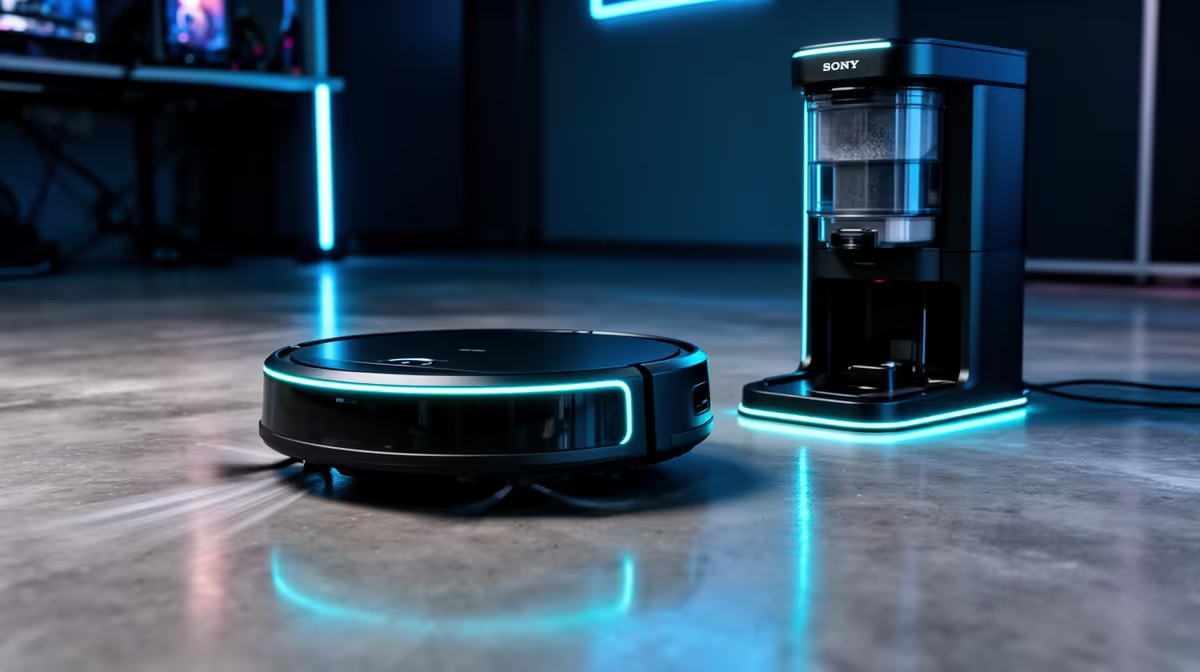
The difference between a robot vacuum and a genuinely hands-free one is the dock. A standard robot still asks you to empty a tiny bin every few days, while the best self-emptying robot vacuum transfers its debris into a sealed base bag and gets on with the job for weeks, with some models claiming up to seven weeks before the bag needs changing. That autonomy is what turns the gadget into a true set-and-forget appliance.
Quick Answer
A self-emptying robot vacuum empties its onboard bin into a larger sealed bag in the dock after each clean, so most models run between one and roughly nine weeks before you touch the bag, depending on dust capacity and home size. Roborock leads this category in 2026, with some models claiming up to seven weeks of hands-free cleaning. Expect to pay a premium over a basic robot for the auto-empty base.
What Self-Emptying Actually Buys You
The appeal is not just convenience, it is consistency. A small onboard bin fills fast and, once full, the robot either stops cleaning or pushes dirt around. A self-emptying dock solves that by clearing the bin automatically, so the robot always starts each run with full capacity and your floors stay genuinely clean between your involvement.
The sealed bag matters too. Emptying a small bin by hand kicks dust back into the air, which is unpleasant for allergy sufferers, whereas the dock seals debris into a bag you remove and bin cleanly only every few weeks. The result is a machine that asks for attention monthly rather than every few days.
What to Look For in 2026
Dust capacity and run time between changes
The headline number is how long the dock goes before the bag fills. Larger bags and bigger capacities stretch that interval, and the best models claim multiple weeks, with some quoting up to seven weeks or beyond for typical homes. Match the claim to your reality: a larger home with pets fills a bag faster than a compact flat, so treat manufacturer figures as a best case and expect somewhat shorter in practice.
Suction power
Suction, measured in pascals, drives how well the robot lifts grit from hard floors and embedded dust from rugs. Flagship 2026 models reach figures around 10000 Pa, which is ample for most homes including light carpet. Higher suction helps with pet hair and deeper pile, though it is only one part of cleaning quality alongside brush design and navigation.
Navigation and mapping
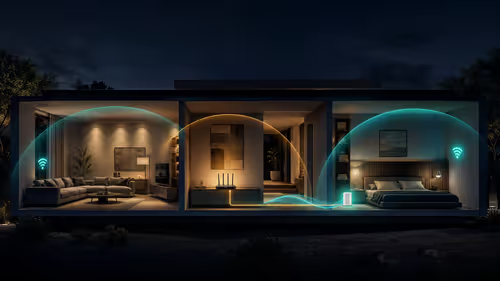
Good navigation is what separates a methodical cleaner from one that bumps around randomly. Laser-based mapping lets the robot plan efficient routes, remember room layouts, and accept no-go zones you set in the app, so it cleans thoroughly without getting stuck or missing patches. For a multi-room home, reliable mapping is as important as raw suction.
How much the dock automates
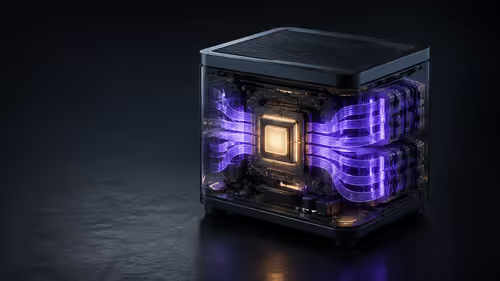
Docks vary widely. The simplest just empty the bin, while premium stations also wash mop pads with hot water, refill the clean-water tank, dry the pads with warm air and self-clean the wash basin. More automation means less hands-on maintenance but a higher price and a larger dock footprint, so weigh how much you genuinely want against the space you have.
Vacuum-Only or Vacuum and Mop
Many self-emptying robots now combine vacuuming with mopping, and the most advanced docks handle the mopping upkeep for you. If you have a lot of hard flooring, a combined unit with an automated mop-washing dock saves real effort. If your home is mostly carpet, a vacuum-focused model with a strong self-empty base may serve you better and cost less. Decide based on your floor mix rather than buying the most feature-laden dock by default.
How Dock Tiers Differ
Not all self-emptying docks do the same job. Understanding the tiers helps you pay only for the automation you will actually use.
The entry-level dock does one thing: it sucks the debris from the robot's bin into a larger bag. That alone extends the gap between hands-on involvement from a few days to several weeks, and it is the minimum worth buying. These docks are compact and relatively affordable.
The mid-tier dock adds water management for mopping models, typically a dirty-water tank the robot deposits rinse water into and a clean-water tank it draws from. You still swap and refill these manually, but the robot handles the mop rinse cycle itself between rooms.
The premium dock handles everything: auto-empty, self-wash of mop pads in hot water, warm-air drying of the pads, auto-refill of the clean-water tank, and sometimes self-cleaning of the wash basin. These docks are physically larger and cost considerably more, but they are what the "truly hands-free" claim actually requires. If you want to set a weekly schedule and otherwise ignore the robot, you need this tier.
Brand Support and Parts in South Africa
Roborock, Dreame, and Ecovacs are the three brands with meaningful self-emptying ranges available in South Africa, and all three have established local warranty and parts channels. Roborock operates through za.roborock.com, Dreame through Dreame Africa, and Ecovacs through ecovacs.co.za. Each covers warranty claims and parts supply locally, which matters when a sealed dock bag runs out or a brush needs replacing.
Consumable costs over two years, bags, filters, brushes, and mop pads on combo units, are worth budgeting before buying. A self-emptying model typically costs more upfront and slightly more to run than a basic robot. The running cost is modest, but it is real, and checking that branded spares are available locally before you commit avoids a situation where you own a premium appliance but cannot get parts for it.
Living With One in South Africa
Power and placement are the practical considerations for an SA home. The dock needs a permanent spot near a wall socket with clearance around it, ideally on a hard floor so the robot docks cleanly. Fine dust common in many homes fills bags faster, so factor in replacement bags as an ongoing consumable, and check that spares for your chosen model are easy to get locally.
For the convenience these machines deliver, they have moved from novelty to a genuinely useful household tool. To compare current self-emptying models and docks, the smart home and home-appliance range at Evetech is the place to start, and for replacement bags, filters and brushes the accessories that sell fastest at Evetech keep the running costs covered.
Frequently Asked Questions
How long can a self-emptying dock really go before the bag fills?
Most models run roughly one to nine weeks, with some flagships claiming up to seven weeks or more. Bigger homes and pet households fill bags faster, so treat the headline figure as a best case and expect a little less in daily use.
Is more suction always better?
Suction matters, but it is one factor among several. Around 10000 Pa is plenty for most homes including light carpet, yet brush design, navigation and mopping all shape real cleaning quality. A balanced machine beats one chasing only a big pascal number.
Do I still have to maintain a self-emptying robot?
Less often, but yes. You empty the sealed bag every few weeks, clean brushes and sensors periodically, and refill water on mopping models unless the dock does it. The dock removes the frequent bin-emptying chore, not all upkeep.
Are vacuum-and-mop combos worth it?
They are if you have a lot of hard flooring, especially with a dock that washes and dries the mop pads automatically. For mostly carpeted homes, a strong vacuum-focused model with a good self-empty base often makes more sense.
What ongoing costs should I expect?
Plan for replacement dust bags, filters and brushes as regular consumables, plus mop pads on combo units. These are modest but real, so check that spares for your model are easy to source locally before buying.