Quick Answer
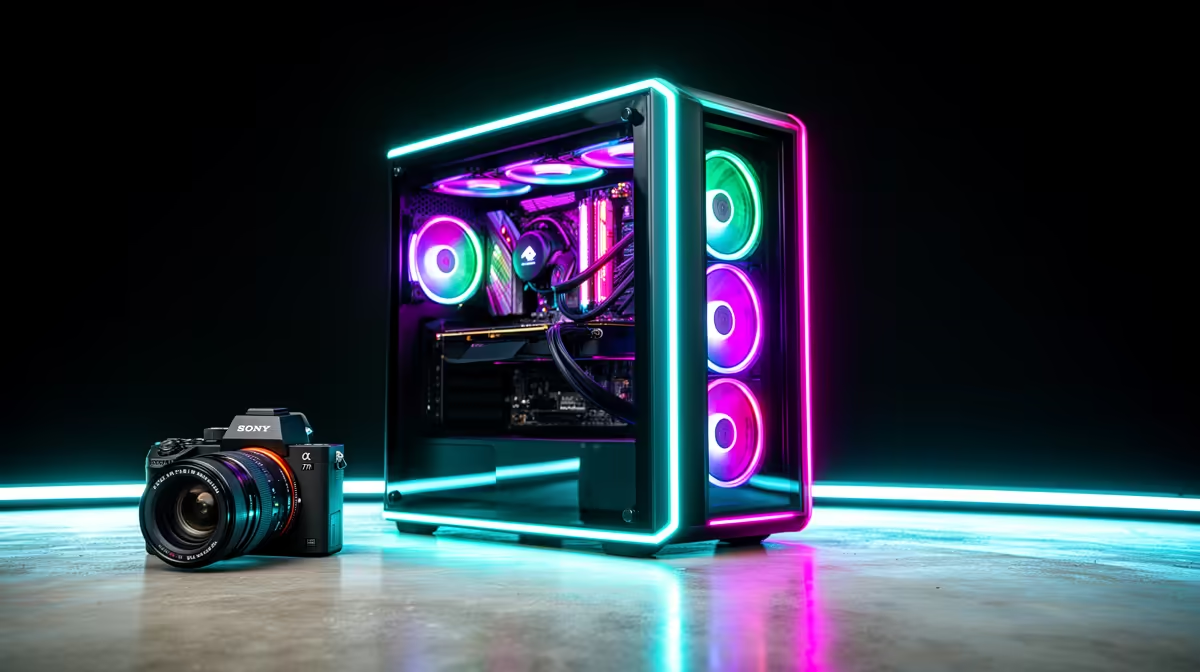
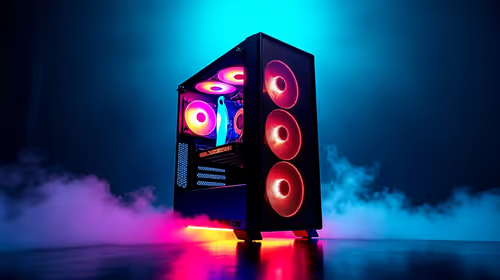
Yes, a tempered glass case can deliver good cooling performance, but only if the front panel has side vents, a perforated bottom intake, or a partially open gap rather than a fully sealed glass front. The best modern cases pair a mesh or vented front panel with a tempered glass side panel, giving you both airflow and visibility.
How Tempered Glass Affects Airflow 🖥️
Glass itself passes zero air. A case with a solid tempered glass front panel must draw intake air through any available gaps: the gap between the glass and the front frame edge, any side mesh strips on the front panel, or bottom intake slots under the PSU shroud.
Modern Designs That Solve the Problem 🔧
The PC case industry largely resolved the glass-versus-airflow conflict by moving tempered glass to the side panel only, where it provides the component visibility people actually want, and using mesh or perforated panels for the front where intake airflow is needed. Cases like the NZXT H-series, Phanteks Eclipse, and Corsair 4000D Airflow use this hybrid approach. The side tempered glass panel is 4mm thick, tempered to avoid dangerous shattering, and typically hinged or held by thumbscrews for easy access.
What to Look for When Evaluating a Glass Case ✨
When shopping for a tempered glass case, the key check is where the glass is positioned relative to intake fan positions. Open the product images and look at the front panel: does it have mesh strips, a gap between the frame and the glass, or side vents? If the front is entirely flat glass with no visible perforations or side channels, that case will have restricted intake. Also check whether the case includes a front mesh swap panel as an alternative, which many brands now include in the box as a free option. A case that ships with both a glass front and a mesh front panel insert for the same price gives you maximum flexibility to prioritise airflow or aesthetics depending on your SA room temperature situation.
Glass Side Panel Cleaning for the SA Climate ⚡
In South African homes with open windows during warmer months, fine dust from gardens and roads settles on the inside of tempered glass side panels quickly. Wipe the inside of the glass with a lint-free microfibre cloth during your regular cleaning session every four to six weeks, using a small amount of isopropyl alcohol to remove fingerprints and dust without leaving streaks. Never use household glass cleaners inside the case as the chemical residue can settle on circuit board components.
FAQ
Does a tempered glass side panel trap heat inside the case?
No more than a solid steel side panel would. The side panel is not an airflow surface in most standard ATX case layouts, where intake happens at the front and exhaust at the rear and top. The side glass has no meaningful effect on case temperatures versus a steel side panel.
Are there tempered glass cases with good airflow in the R1,000 to R1,500 range in SA?
Yes. Several cases stocked at Evetech in the R1,000 to R1,500 range combine mesh front panels with tempered glass side panels and include two or three preinstalled fans. This segment has the best value-to-feature ratio in the current market, and brands like DeepCool, Corsair, and Phanteks all have strong representatives in this price bracket.
Can I add a mesh front panel to a glass-front case after purchase?
For some brands, yes. Manufacturers like Phanteks and Corsair offer alternative front panels as accessories for specific case models, available separately. Universal aftermarket mesh front panels that clip over existing glass fronts also exist but vary significantly in fit quality depending on the case design. Check whether your specific case model has an official alternative panel option before relying on a universal fit solution.
Want glass looks without the thermal compromise?
Browse cases at Evetech that combine mesh intake fronts with tempered glass side panels, so your build stays cool and still looks great.