A data science student should use a TPM 2.0 check to confirm Windows 11 readiness and encryption planning, not to estimate model-training performance. The security check matters on used or older hardware. Processor support, memory, graphics and storage still determine whether notebooks, containers and datasets run within the course requirements.
Verify firmware without clearing keys
Open Windows security information and the firmware interface to identify the trusted platform module version and state. Save device-encryption recovery keys before changing settings. Never clear the module to remove a warning without understanding the keys it protects. Windows 10 support ended on 14 October 2025, so unsupported systems need a planned replacement or supported upgrade.
Check the compute workload as well
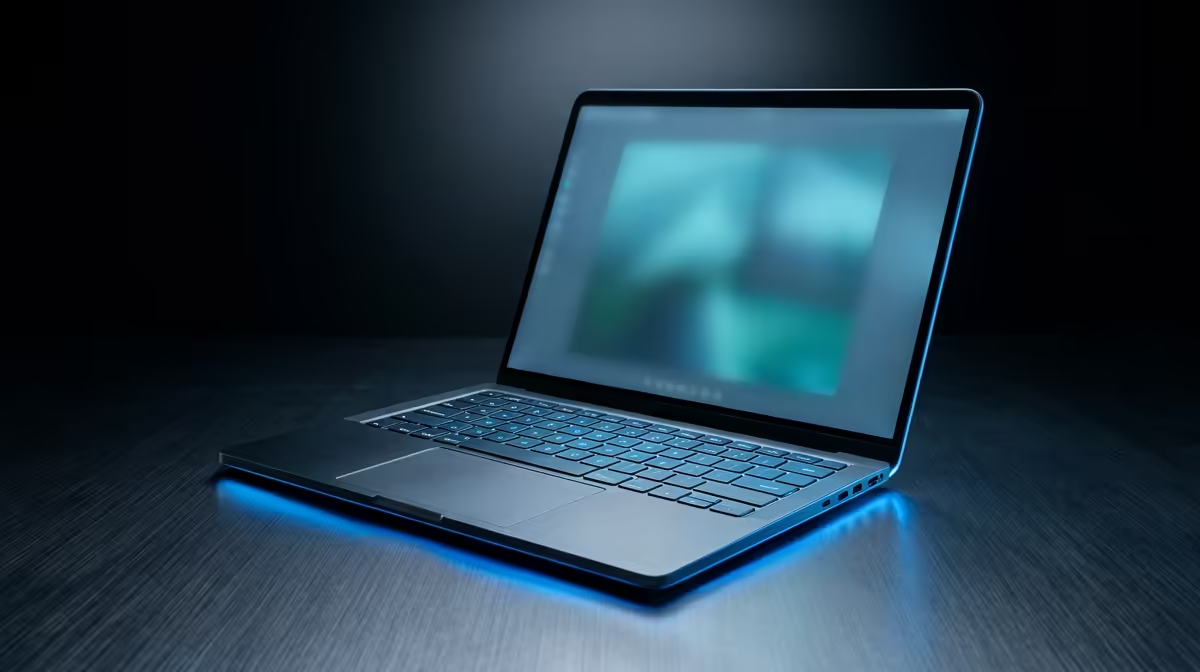
Load the largest dataset used in class, start the normal notebook and run one representative model. Record memory, storage and graphics needs. The verified ASUS P5405 costs R12,700 with Core Ultra 5 226V hardware, 16GB memory and 512GB storage, providing a current portable comparison. Confirm software, Linux or virtualisation needs before choosing it.
After any firmware change, test encryption recovery, containers, development tools and external storage. Back up code and notebooks through an approved repository plus data copy. A successful TPM check protects the supported system without interrupting access to active coursework.
Checking a data-science laptop? > Ask Evetech for supported Windows hardware matched to the course tools and datasets.