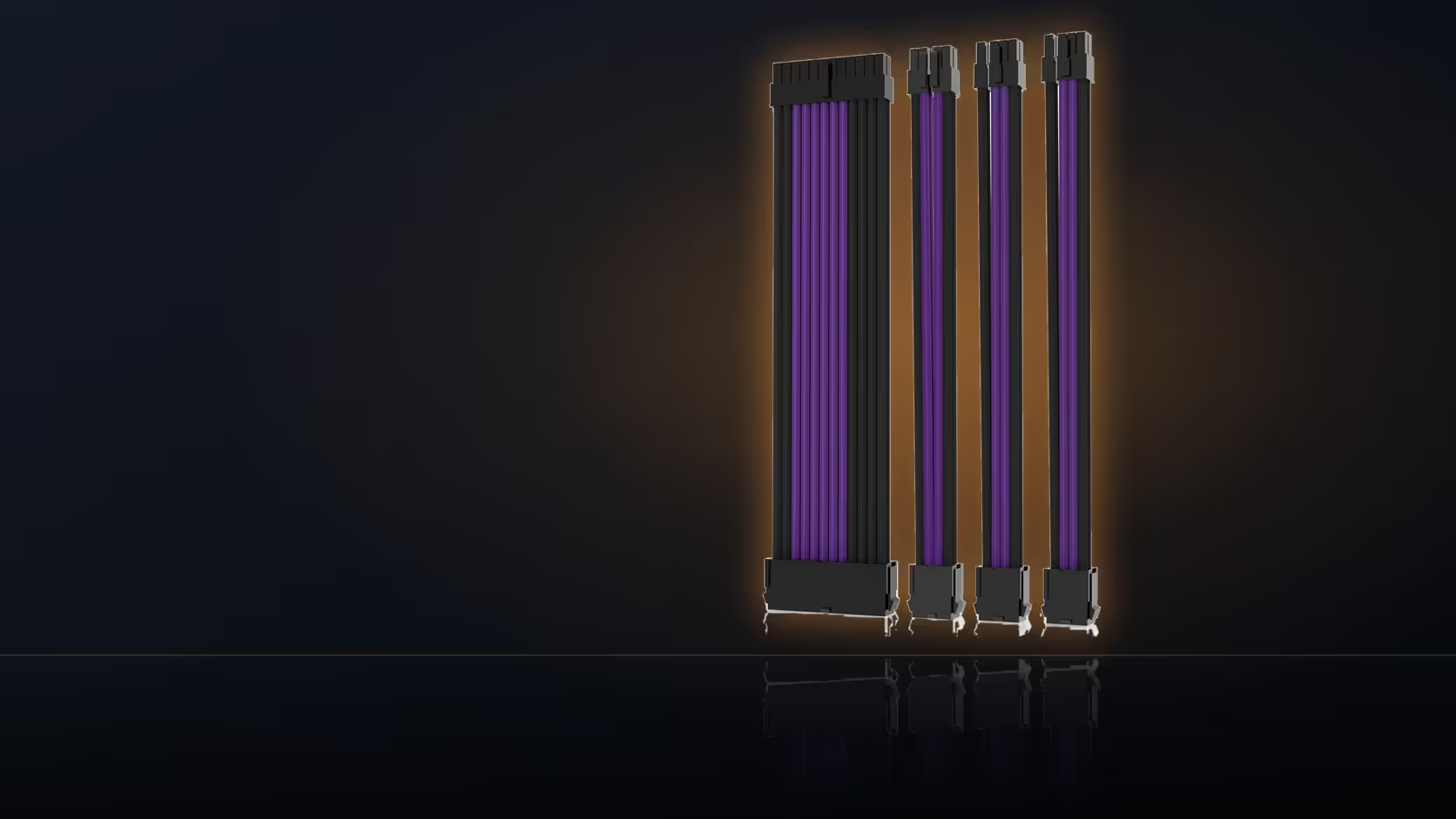
Two eight-pin leads sitting side by side in a parts box look, at a glance, like the same connector twice. AsiaHorse names them differently for a reason: EPS and PCIe share a pin count but nothing else, and mixing them up is the single most common fitting mistake on this whole kit.
Quick Answer
The kit carries one 4+4 EPS lead for the CPU and two 6+2 PCIe leads for the card. The split is what tells them apart, because both look like eight-pin plugs. AsiaHorse names them separately because the sockets are not interchangeable.
⚡ EPS: the CPU's own eight pins
The 4+4 EPS extension is the piece that feeds the processor, running to a socket at the top edge of the motherboard rather than anywhere near the graphics card. Its defining feature is that split into two blocks of four pins each, which serves a practical purpose: those two halves can separate, letting the same cable fit either a full eight-pin CPU socket or the smaller four-pin socket some boards expose instead. That flexibility is built into the connector shape itself, not something the extension adds.
🎮 PCIe: six plus two for the card
The card leads follow a different logic entirely, splitting six pins and two pins rather than four and four. That design lets one cable serve both six-pin and eight-pin graphics sockets - the two-pin section simply folds away and goes unused when a card only needs the smaller six-pin plug. Both graphics extensions in this kit are identical to each other, which is exactly why a card pulling power through two of its eight-pin plugs can be fully dressed from the pieces already in the box, with nothing extra to buy.
🔍 Telling them apart once they're out of the box
Once four similar-looking sleeved cables are lying loose on a bench, colour is not a reliable way to tell them apart - every piece within one kit shares the identical finish, so a Black kit gives you four black cables with no visual shortcut between them. The split pattern is the only dependable identifier: count the pins on each half of the plug, and four-and-four means EPS while six-and-two means PCIe. Labelling each piece as you unpack the kit, before anything gets tangled together, saves a good deal of guesswork later in the build. The 24-pin main lead sits entirely outside this eight-pin comparison - it is the fourth piece in the kit, serving the board's main socket and following none of the EPS or PCIe logic at all.
🧭 Why the naming convention exists at all
AsiaHorse, like most cable manufacturers, names these leads by their pin split rather than by a plainer description such as "CPU cable" or "GPU cable," and there is a practical reason for that convention. A split-based name describes the physical connector directly, which stays accurate regardless of which specific socket on which specific board or card it ends up serving - a 4+4 lead is a 4+4 lead whether it feeds a mid-range board or a flagship one. A name based purely on function would need updating every time the underlying hardware landscape shifted, where a name based on pin count never does.
🛒 Buying the right pieces for your exact build
Before ordering any extension, whether as part of this four-piece kit or as a single replacement piece, confirm the actual pin split your build's sockets present rather than assuming from the board's price tier alone. Entry-level and flagship boards alike can carry either a four-pin or eight-pin CPU socket, and graphics cards vary just as much in how many card sockets they expose. A five-minute check with the side panel off, counting pins at each socket and matching that against the split labelled on each extension, settles the question far more reliably than guessing from a board's marketing tier or a card's position in a product line-up. Keep a written note of what you find, taped inside the side panel or saved in a build log somewhere handy, since that same check will save time again the day a second extension or a replacement lead is needed and the case has long since been closed up for good, its cable layout half-forgotten in the months between one job and the next. A phone photo of the open case, taken from directly above with both split patterns clearly visible, does the same job even faster and needs no typing at all - whichever method you prefer, the point is simply to capture the answer once rather than re-deriving it from scratch every single time the question comes up again months or years down the line. Cable solutions lists the broader category this piece belongs to, and once extensions genuinely stop being the right answer for a given board, individually sleeved premium cables is the natural next stop.
Frequently Asked Questions
Which piece feeds the processor?
The 4+4 EPS extension. It runs to the socket at the top edge of the board rather than to anything on the graphics card.
Why does the card lead split six and two?
So one cable serves both six-pin and eight-pin card sockets. The two-pin section folds away when a card only needs six.
Can the two halves of an EPS lead be separated?
They can, which is how the same lead fits boards that expose a four-pin socket instead of a full eight-pin one.
Do the two card extensions differ from each other?
No. Both are the same 6+2 piece, which is why a card drawing through two sockets can be dressed entirely from this one kit.
Where does the 24-pin lead fit into this?
It is the odd one out, serving the main board socket. Nothing about the eight-pin pieces applies to it.
Is labelling the pieces worth doing?
It helps a great deal once they are out of the box, because an EPS piece and a card piece look almost identical at a glance.
Does the sleeving colour tell them apart?
Never rely on it. Within one kit every piece shares the same finish, so the split pattern is the only reliable identifier.
Sorting out your kit's four pieces before fitting?
Have a look at Evetech's power supply range to confirm exactly which connectors your build's sockets need.