


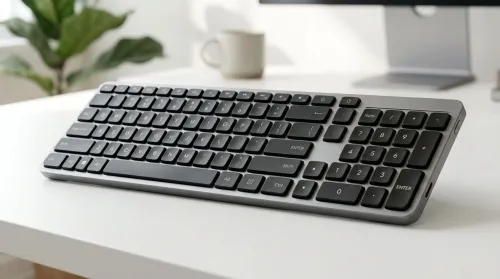
Compact Keyboard with Dedicated Numeric Keypad: Ultimate Guide
Looking for a compact keyboard with dedicated numeric keypad? This guide helps you pick the best layout, switches, connectivity, and key feel for faster spreadsheets. ✅⌨️
Read moreDiscover how to recharge your power bank faster than ever 🔋 using cutting-edge methods. Boost charging speed and efficiency today!
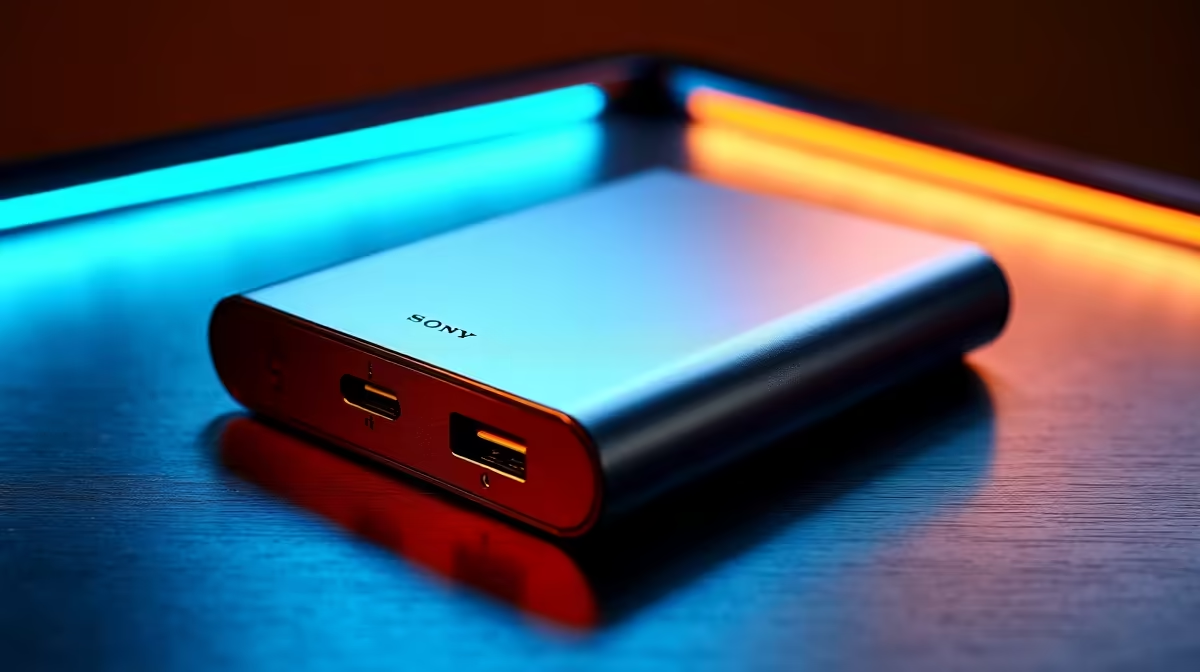
Ever been caught out by load shedding, your phone clinging to 5% life, only to find your power bank is also flat? Ja, we’ve all been there. A dead power bank is just a glorified paperweight. The real challenge isn't just owning one; it's getting it charged up quickly between outages or before you head out. This guide cuts through the jargon to reveal the fastest power bank recharging methods available right now. ⚡
Before we dive into the methods, let's quickly demystify the numbers on your charger and power bank. Speed is all about Watts (W). Think of it like water pressure. More watts means a faster flow of power. You get this number by multiplying Volts (V) by Amps (A).
Most modern devices use one of two main fast-charging standards:
Your power bank needs to support one of these standards on its input port to benefit from faster speeds. Luckily, you can find great tech even in affordable power banks under R500.
Getting back to 100% in record time isn't about a single secret trick; it's about matching the right gear. Here’s how to create the perfect high-speed charging setup.
This is the single most important factor. The tiny 5W charger that came with your old phone simply won't cut it for a massive 20,000mAh power bank. It could take over 10 hours to fill up!
To truly unlock fast recharging, you need a wall adapter that can supply at least 18W or more and supports USB-PD or QC. Plugging a compatible power bank into a 20W or 30W PD adapter can slash recharging time by more than half. That’s the difference between charging overnight and just over a lunch break. Investing in a quality adapter from top-tier brands like Promate ensures you're getting the advertised speeds safely.
look for the 'Input' specs on your power bank. It might say something like "Input: USB-C 5V 3A, 9V 2A". The 9V 2A (18W) is your fast-charging mode. Your wall adapter must also be able to supply 9V 2A to activate it.
Your charging setup is only as strong as its weakest link, and that weak link is often the cable. A cheap, unrated cable can't handle the higher wattage required for fast charging, creating a bottleneck that slows everything down.
For the fastest power bank recharging methods to work, you need a cable that is rated for the job. Look for a USB-C to USB-C cable that explicitly mentions support for Power Delivery (PD) and is rated for 60W or even 100W. This ensures the cable can safely and efficiently transfer the maximum power your wall adapter can provide.
While less common, some advanced models offer the ultimate speed boost: dual-input charging. These units feature two input ports (like Micro-USB and USB-C) and allow you to plug in two separate power sources simultaneously to charge the power bank itself. This can dramatically reduce charging times for very large capacity banks (20,000mAh and above). You'll typically find this feature on premium models under R1200 where capacity and speed are top priorities. 🚀
By pairing the right adapter, a high-quality cable, and a compatible power bank, you can finally say goodbye to the frustration of a slow-charging battery pack. You'll be powered up and ready for anything... even Stage 6.
Ready to Power Up Faster? Stop waiting and start charging. Equip yourself with a power bank that keeps up with your life. Shop our full range at Evetech and never get caught with a dead battery again.
Use high-speed wall adapters or USB-C PD for fastest results. These methods optimize charging efficiency.
Depending on capacity and charger, it can take 1-4 hours. Faster options like USB-C 3.0 reduce time.
Most power banks support fast charging, but ensure compatibility with your charger’s output specs.
Factors include adapter wattage, cable quality, and power bank capacity. Avoid low-quality cables for best results.
Yes, if using certified chargers. Overheating risks exist with low-quality components so choose reliable brands.
Top up as needed, but avoid full discharge cycles. Partial charges are better for battery longevity.
Look for models with USB-C PD, GaN technology, or high-wattage inputs for rapid recharging.
Looking for a compact keyboard with dedicated numeric keypad? This guide helps you pick the best layout, switches, connectivity, and key feel for faster spreadsheets. ✅⌨️
Read more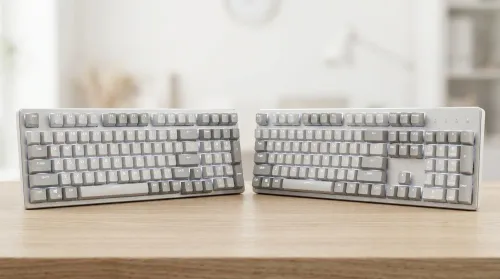
Choosing between 96-key vs 104-key layouts? Compare desk space, key coverage, and usability so you can pick the best balance of function and comfort. ⌨️📏
Read more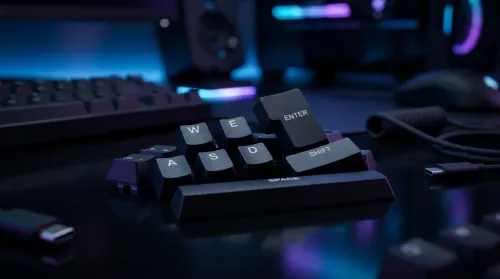
Learn how to clean and maintain double-injection keycaps safely for long-lasting shine and smooth typing. Avoid common damage mistakes and keep legends crisp. 🧼✨
Read more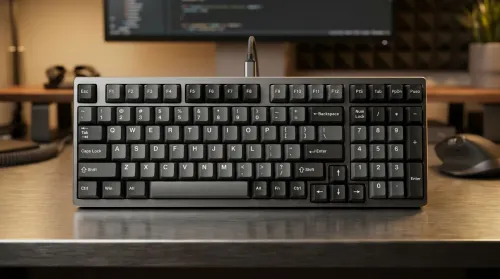
Want a 96-key mechanical keyboard layout with numpad that feels fast and tidy on your desk? Learn key placement habits, layer tips, and layout choices to maximize efficiency ⚡🧠.
Read more
Wondering if full-key anti-ghosting improves gaming accuracy? We break down how full-key anti-ghosting works, real-world latency and input behavior, and when it matters—🎮✅
Read more
Choosing between wired vs wireless mechanical keyboards in South Africa? Compare latency, battery life, and real value in ZAR, with practical picks for gaming and work. Faster response, less hassle ⚡🔋
Read more
AI-Powered CAD Tools for Engineering Students. Comprehensive coverage with SA insights, Rand pricing & practical recommendations for local buyers.
Use Microsoft Copilot for Small Business. Step-by-step instructions with SA-specific tips, common pitfalls to avoid & expert recommendations.
Should You Buy Ryzen 9 9950X at Launch Week?. Comprehensive coverage with SA insights, Rand pricing & practical recommendations for local buyers.
Ryzen 9 10900X Price Prediction & Launch Window pricing in South Africa. Current cost tiers, budget alternatives & where to find the best local deals.
Samsung Keyboard Prices Across : Q3. Current stock data & price tracking for SA buyers. See what is available and where prices are heading.

Headset Technology: 2020-2023 Evolution in Gaming. SA-focused analysis with local pricing data, real-world insights & actionable buying advice.
Storage Stock Levels in Nelspruit: February Report. Current stock data & price tracking for SA buyers. See what is available and where prices are heading.
Cyberpunk 2077 Low FPS: Power Supply Bottleneck. Real-world benchmark data, FPS numbers & performance analysis. What SA gamers can actually expect.
Wondering if a TKL wireless mechanical keyboard is worth it for everyday productivity? We break down latency, battery life, comfort, and workflow gains for real work. ⚡⌨️

Maximise battery life on a fanless 15-inch laptop using efficiency core architecture. Cut idle drain, tune power profiles, and improve thermals for longer runtime. 🔋⚙️

Yes—spatial audio and Dolby Atmos can work with South African content platforms, but it depends on your device, app, and source. Here’s what to check for better surround sound 🎧🌍
South African Minecraft peripherals demand is rising fast as communities build themed setups for streams and LAN nights 🎮🇿🇦. Here’s what that means for buyers: better features, smarter buying, and standout aesthetics.