Quick Answer
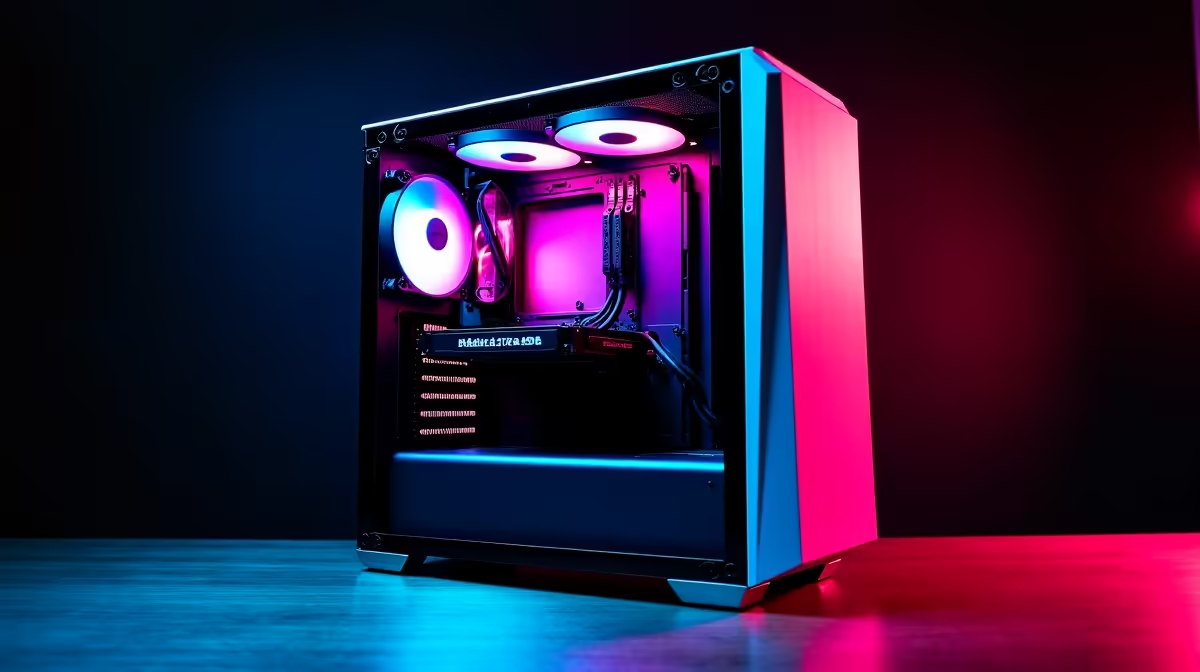
If your gaming case ships with no fans, you avoid airflow problems by adding at least two intake fans at the front and one exhaust fan at the rear before you power it on for serious gaming. A case with zero fans will let a hard-working CPU and GPU heat-soak, so budgeting for fans is part of the case purchase, not an afterthought.
Why an empty case overheats 🔧
Modern graphics cards and processors dump real heat into the case under load. With no fans moving air, that heat builds up around the components, temperatures climb, and both the CPU and GPU start throttling to protect themselves, which costs you frames and adds noise. The fix is steady airflow that brings cool air in and pushes hot air out in a clear path.
The basic airflow layout 🚀
Aim for a front-to-back, bottom-to-top flow. Mount two or three intake fans at the front to pull cool air over the components, and one exhaust fan at the rear to expel warm air, with the top reserved for extra exhaust or a radiator. Running slightly more intake than exhaust creates mild positive pressure, which keeps fresh air flowing through filters and reduces dust settling inside, a real benefit in a dustier inland home.
Budgeting for fans and keeping it clean 💰
A three-pack of 120mm ARGB fans stocked at Evetech typically lands between R400 and R900, so factor that into the build cost when a case includes none. A mesh front panel helps the intake fans breathe, while a solid glass front looks sharp but restricts airflow, so favour mesh if temperatures are your priority. Keep the dust filters clean every few weeks to maintain the airflow you set up.
Airflow Pressure Tip ⚡
Set your front intake fans to spin a touch faster than your exhaust. That mild positive pressure pushes air out through the gaps instead of sucking dust in through them, so the inside of your build stays cleaner for longer.
FAQ
How many fans does a gaming case actually need?
A practical minimum is three: two front intakes and one rear exhaust. Larger cases or hotter components benefit from adding a top exhaust fan to clear rising heat more quickly.
Should the front panel be mesh or glass?
Mesh is better for cooling because it lets the intake fans draw air freely. A glass front looks cleaner but restricts airflow, so add more fan speed or extra fans to compensate if you choose it.
Do RGB fans cool any better than plain ones?
Lighting has no effect on cooling. Judge a fan on its airflow and static pressure ratings and its noise level, then treat the RGB purely as a styling choice.
Got a case with no fans?
Compare 120mm and 140mm case fans stocked at Evetech and set up proper intake and exhaust before your first gaming session.