Quick Answer
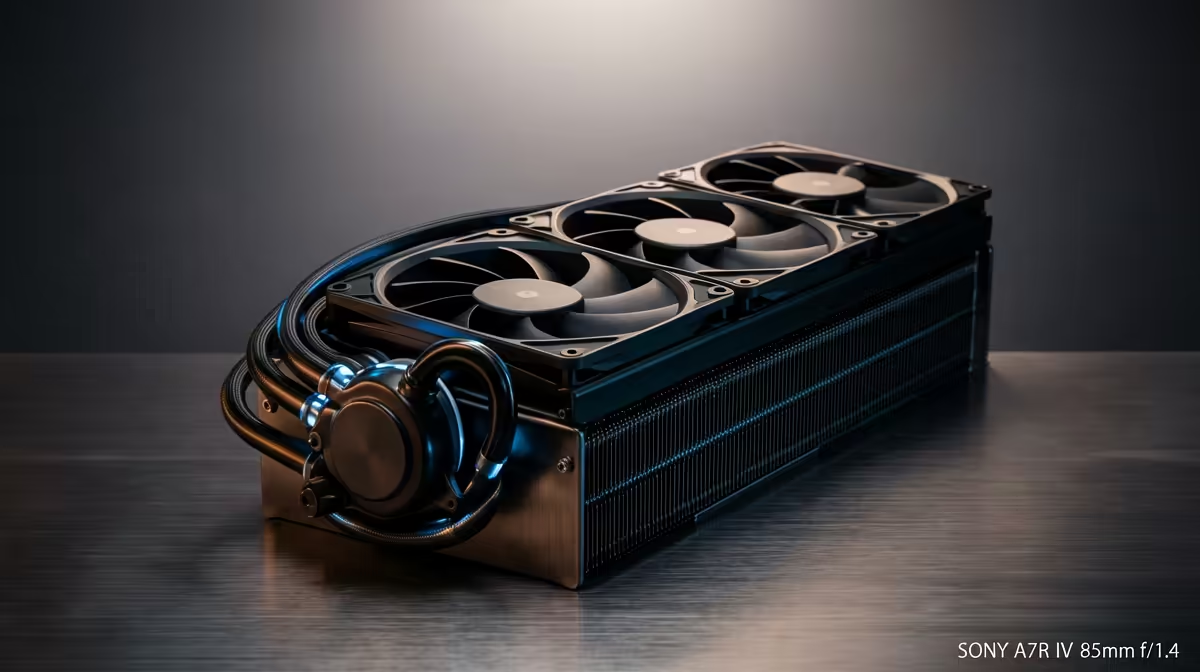
Maintaining a 360mm AIO cooler for quiet operation means cleaning radiator fins every three to six months, confirming pump speeds are within spec annually, checking fan blade clearance if noise increases suddenly, and replacing thermal paste on the cold plate every two years.
Keeping Radiator Fins Free of Dust 🔧
Dust is the primary enemy of radiator performance and the main cause of fans spinning faster, which is directly responsible for increased noise. In South African homes where dust is significant, particularly in Gauteng's dry highveld winters or in houses near unsealed roads, radiator fins can clog noticeably within three months. Use a can of compressed air to blow through the fins from the side opposite to the fans, forcing debris back the way it entered. Never use a vacuum cleaner directly on fins as the static charge can damage components. After cleaning, run the system for 10 minutes and compare fan speed readings in your monitoring software; a drop of 200 to 400 RPM at the same CPU load indicates the cleaning made a meaningful difference.
Diagnosing and Addressing Pump Noise 💧
A healthy AIO pump operates between 2,400 and 3,600 RPM and produces a faint hum that is inaudible once the fans spin up. If you hear a distinct rattling, clicking, or grinding sound coming from the pump head area, air has likely entered the loop. Small amounts of air are normal in the first few hours after installation, but persistent noise after 48 hours suggests a more significant issue. Gently tilting the PC case to shift the pump head's orientation can help trapped air bubbles migrate to the reservoir section of the loop.
Fan Blade and Bearing Health Over Time 🌬️
Daisy-chained fans on a 360mm radiator share a single control signal, so a bearing fault in one fan can look like an RPM anomaly across all three in your monitoring software. If fan noise has increased noticeably, physically spin each blade by hand with the PC powered off to feel for resistance or grinding, which indicates a failing bearing. Sleeve-bearing fans, which are common on budget AIOs, typically last three to five years before bearing degradation becomes audible; dual-ball bearing and fluid-dynamic bearing fans last considerably longer. Replacement fans for a 120mm slot, such as Noctua NF-A12x25 units, cost around R800 to R1,000 each in SA and are a worthwhile investment when the AIO itself is still functioning correctly.
Annual Cold-Plate Re-Paste Schedule ⚡
Mark your calendar to re-apply thermal compound every two years on your AIO's cold plate, or every year if your CPU regularly exceeds 80 degrees Celsius. Degraded paste is one of the most overlooked causes of gradually increasing fan noise as the cooling system compensates for worsening heat transfer.
FAQ
Can I refill or top up the coolant in a closed-loop AIO?
No. Consumer-grade closed-loop AIOs are sealed units and are not designed for coolant top-up or refilling. The small amount of evaporation over years is factored into the loop's design. If you suspect significant coolant loss, the unit has likely developed a leak and should be replaced under warranty.
How long should a quality 360mm AIO last with proper maintenance?
With regular dust cleaning and thermal paste replacement, a quality 360mm AIO from a reputable brand can operate effectively for five to seven years. Pump lifespan is typically the limiting factor, and most manufacturers rate their pumps for 50,000 or more hours of operation.
Is it safe to run the fans at full speed all the time to maximise cooling?
Thermal performance improves marginally above 80% fan speed while noise increases substantially. Running fans at 100% constantly accelerates bearing wear without proportional cooling benefit. A well-tuned fan curve that hits full speed only when temperatures demand it extends fan lifespan and keeps the build quieter during everyday use.
Time to service or replace your AIO cooler?
Browse the 360mm AIO cooler range at Evetech for well-supported options with strong local warranty coverage.