Understanding the Role of Memory Bus Width in Modern Gaming
Ever wondered why two GPUs with the same VRAM perform so differently? It often comes down to the memory bus width. This spec acts like a highway for your data. A wider bus allows more information to pass at once. For South African gamers looking to optimise their rigs, this is a vital detail. It can be the difference between smooth 4K and a stuttering mess. 🚀
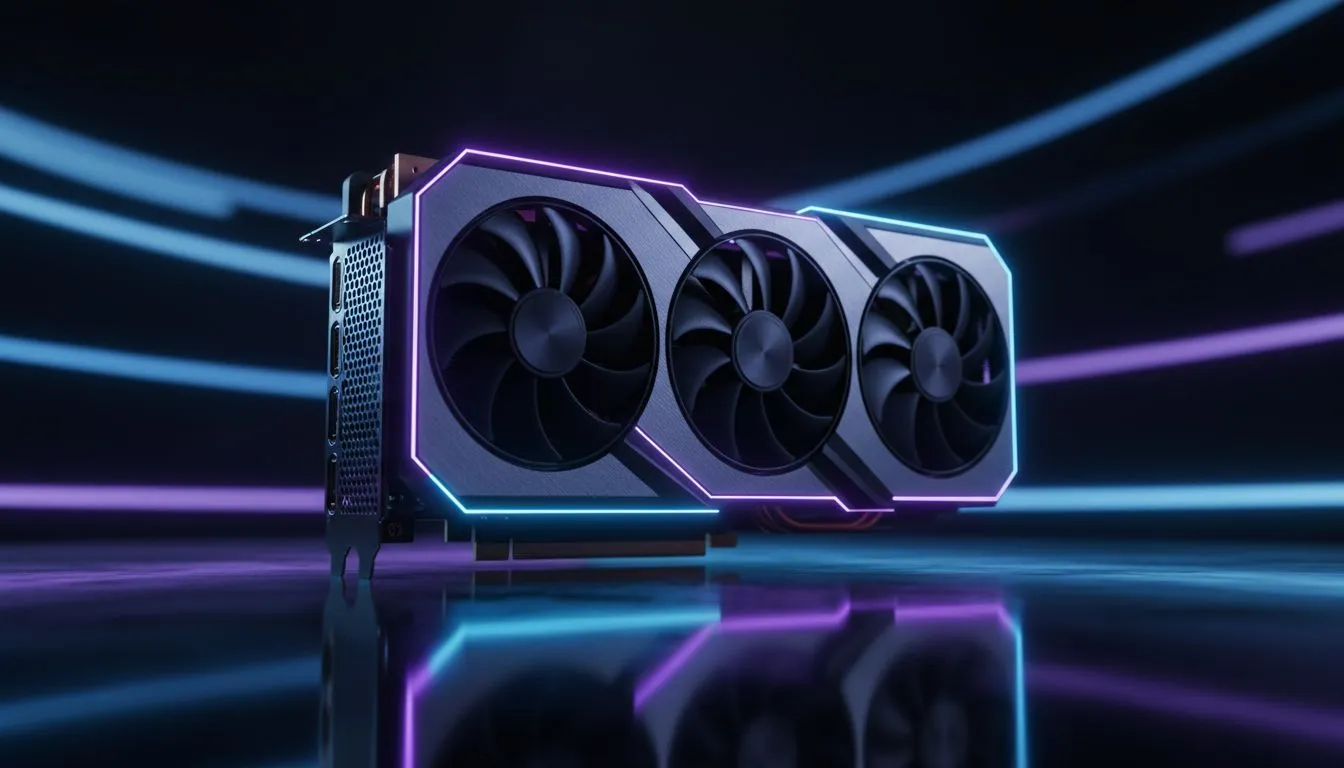
The memory bus width is measured in bits. Common sizes include 128-bit, 192-bit, or 256-bit. Think of it as the number of lanes on a road. Even if your GPU core is fast, a narrow road creates traffic. When you shop for GeForce Graphics Cards, you will see these numbers in the specs. High-end cards use wider buses to handle massive textures. This ensures the GPU core never has to wait for data to process.
Why Resolution Demands a Wider Memory Bus
Higher resolutions like 1440p or 4K require significantly more bandwidth. A 128-bit bus is often perfect for 1080p gaming today. However, pushing more pixels requires a much larger data pipe. If the bus is too narrow, your frame rates will drop. This happens even if you have plenty of VRAM capacity available. Many Radeon Graphics Cards offer excellent width-to-price ratios for high-resolution fans. Balancing these specs is the secret to a great build. ⚡
Bandwidth Calculation ⚡
You can calculate your total memory bandwidth easily. Multiply the memory bus width by the effective memory clock speed. Divide that total by eight to get the result in GB s. A higher GB s figure usually indicates better performance at high resolutions.
Choosing the Right GPU for Your Setup
Your choice depends on your monitor and your specific budget. Entry-level cards usually start around R4,500 in South Africa. These often feature narrower buses designed for 1080p play. If you want to future-proof your setup, look for a wider bus. You can browse the full range of graphics cards at Evetech to compare these vital specs.
Performance tiers vary wildly across manufacturers. Brands like MSI provide detailed breakdowns of their bus widths and cooling solutions. This helps you make an informed decision for your next upgrade. High-speed memory like GDDR6X can help... but raw bus width remains a king for heavy workloads. Always check the bit-rate before you tap that "buy" button. ✨
Ready to Find Your Perfect Match?
Memory bus width is a vital piece of the performance puzzle. Whether you are chasing high frame rates or 4K clarity, we have the hardware you need. Explore our massive range of graphics cards and find the perfect machine to conquer your world.