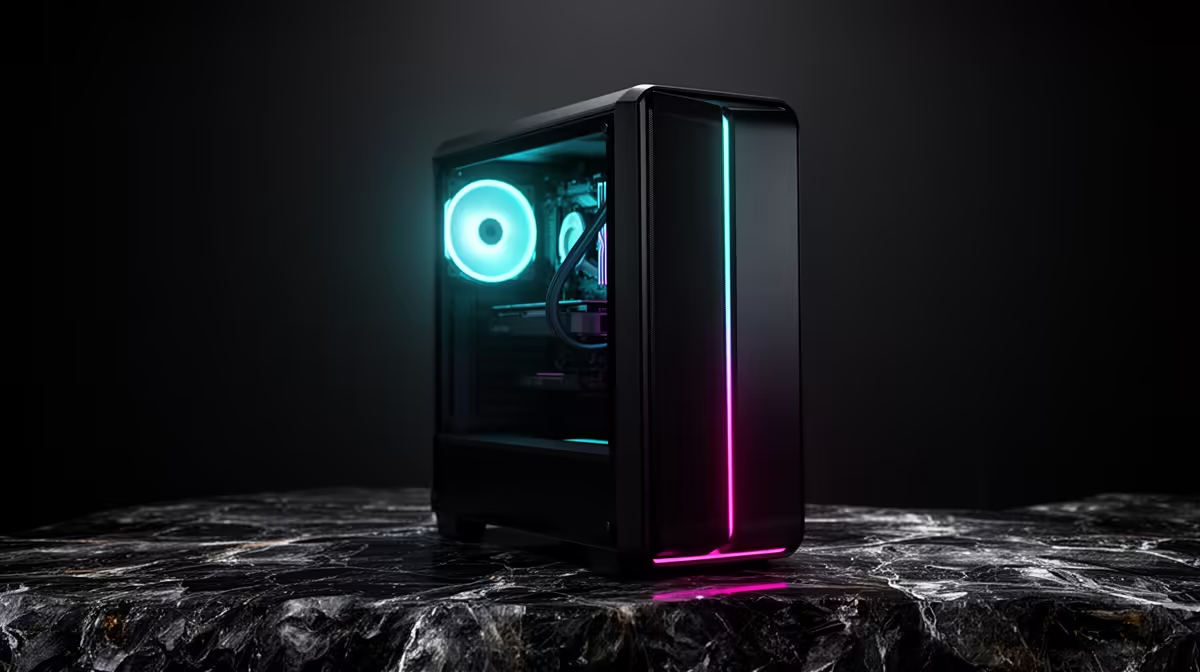
The Ryzen 5 5500 at R1,100 suits an SA buyer building a practical programming-focused gaming pc where compile work, browser tabs, and a clean RAM kit upgrade path matter more than flashy case size. A mid-tower case can cope well because this kind of setup is about sensible airflow, enough room for the main parts, and avoiding a cramped layout that makes future changes irritating.
Why a mid-tower gaming pc makes sense
The MSI A520M-A Pro at R700 base is a sensible starting point for a compact coding desk because it keeps the motherboard choice simple while still leaving the build focused on the essentials. Pairing that board with the Ryzen 5 5500 at R1,100 gives the machine a budget-friendly CPU centre for editors, terminals, local servers, and everyday study or office work.
For buyers who also want smoother gaming after hours, the ASUS RX 7600 8GB at R4,650 is the practical graphics step. The 8GB spec matters because it gives the gaming pc a clearer role beyond code, especially when the same tower is used for a monitor-heavy desk, game downloads, and lighter creative tasks.
Student desk and small office fit in SA
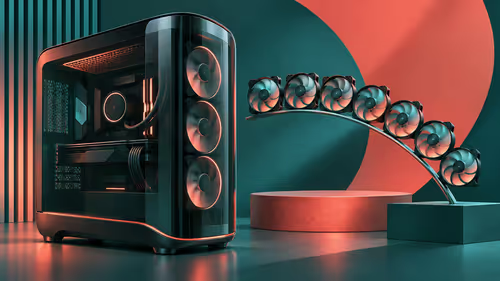
A mid-tower is often the safer shape for a student desk or small-business counter because the parts are easier to access than in very tight builds. The Ryzen 7 7800X3D at R4,800 is the stronger CPU option when the same desk setup must handle heavier multitasking, long browser sessions, and gaming performance without turning the PC into a specialist workstation.
The Palit RTX 5060 at R4,800 is the alternative graphics choice when the buyer wants an Nvidia-based gaming pc in the same mid-tower footprint. That keeps the tower relevant for programming during the day and gaming in the evening without forcing the desk into a tiny, harder-to-service case.
Ready to choose the right gaming pc?
Use Ryzen 5 5500 at R1,100 as the gaming pc shortlist benchmark, then check whether its listed spec matches the space, workload, and upgrade path.