


Back-to-School Keyboard Buying Guide for SA 2026
Back-to-School Keyboard Buying Guide. Everything you need to know with SA pricing, step-by-step instructions & expert recommendations.
Read moreUncover the power consumption differences between new and refurbished laptops. 📋 Discover how upgrading impacts energy bills and sustainability. 🌱
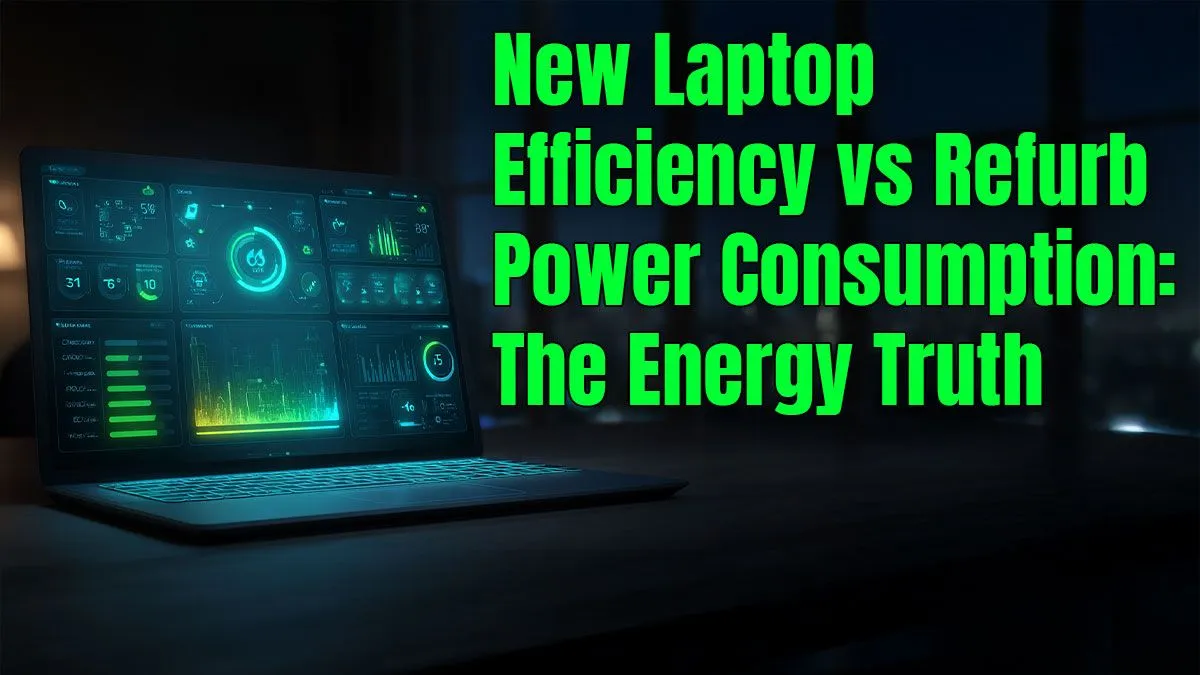
Loadshedding hits, and your laptop dies halfway through a critical task. Sound familiar? In South Africa, choosing a laptop isn't just about specs; it's about survival. The debate between new and refurbished models often boils down to price, but there's a hidden cost: electricity. Understanding the energy efficiency of new vs refurbished laptops isn't just for tech nerds—it's a smart move for your wallet and your sanity during power cuts. ⚡
When you unbox a brand-new laptop, you're getting more than just that new-tech smell. You're getting the latest advancements in power-saving technology. Modern processors, like those found in the latest Intel laptops, are designed from the ground up to sip power, not chug it.
Manufacturers are in a constant race to improve performance-per-watt. This means a new laptop can often deliver more processing power while using significantly less electricity than a model from a few years ago. Think of it this way: newer components do more work with less effort. This improved power consumption translates directly to longer battery life during loadshedding and lower numbers on your monthly Eskom bill.
Key advantages include:
A refurbished laptop can be an incredible deal, offering solid performance for a fraction of the original price. But when it comes to power draw, it's a more complicated picture. The core technology in a refurbished machine is, by definition, older. This often means it was designed in an era when raw performance was prioritised over the energy efficiency we value today.
The biggest factor is often the battery. While a refurbished unit may come with a tested battery, it has still gone through charge cycles. An older, degraded battery not only holds less charge but can also be less efficient, requiring you to plug in more often. While a refurbished machine might save you Rands upfront, it's worth considering the long-term running costs, especially if you're comparing it against efficient modern AMD-powered machines.
Before buying refurbished, ask about battery health or cycle count if possible. For any Windows laptop, you can generate a battery report by opening Command Prompt and typing powercfg batteryreport. It's a great way to see the battery's true capacity.
So, what does this all mean for your pocket? Let's break it down. An older gaming laptop might pull 90W under load, while a new, more efficient model might achieve similar performance using just 65W. While that 25W difference seems small, it adds up over hundreds of hours of gaming, working, or streaming.
This efficiency becomes a superpower during loadshedding. A laptop that uses less power will last significantly longer on its battery, giving you an extra hour or two to finish your work or your match. For gamers, this is especially critical; a more efficient machine means less strain on your UPS, keeping you in the game when the power goes out. If you're looking for a rig that balances power with efficiency, it's smart to check out our gaming laptop deals to see the latest tech.
Ultimately, the energy efficiency of new vs refurbished laptops presents a clear trade-off. A new laptop typically offers superior efficiency, longer battery life, and lower long-term running costs. A refurbished laptop provides fantastic upfront value, but you might pay a little more on your electricity bill and potentially face a battery replacement down the line. The right choice depends entirely on your budget and how you plan to use your machine. 💡
Find Your Perfect Power-to-Performance Balance Whether you prioritise cutting-edge efficiency or maximum value, we've got the perfect machine for you. Browse our full range of laptop specials and find a laptop that works as hard as you do.
New laptops often have better energy efficiency. ⚡ Refurbished models depend on hardware age and upgrades.
Higher energy use raises electricity bills. 📈 Efficient laptops lower long-term expenses.
Yes! 🌱 Refurbs reduce e-waste and often meet modern energy standards.
Processor type, battery health, screen brightness, and usage patterns matter most. 🔋
Upgrading components like SSDs or RAM may reduce power use in refurbished devices. 💡
Modern efficient laptops last 5–8 years. 🕒 Refurbished models vary by hardware quality.
Refurbished minimize resource use. New devices offer advanced eco-tech. 🌍
Back-to-School Keyboard Buying Guide. Everything you need to know with SA pricing, step-by-step instructions & expert recommendations.
Read more
Keyboard Protection & Warranty Guide. Everything you need to know with SA pricing, step-by-step instructions & expert recommendations.
Read more
Keyboard Setup Guide Gamers. Clear setup instructions with SA-specific considerations, troubleshooting tips & recommended components.
Read more
Advanced Keyboard Settings & Tuning Guide. Tested & verified settings for best FPS and visual quality on SA hardware budgets.
Read more
Second-Hand Keyboard Buying Guide. Everything you need to know with SA pricing, step-by-step instructions & expert recommendations.
Read more
Women Gamers Keyboard Guide: January Edition. Everything you need to know with SA pricing, step-by-step instructions & expert recommendations.
Read more
Snapdragon X2 NPU Explained: How 80 TOPS Changes. Plain-English explanation of what it means, why it matters & how it affects your buying decisions in SA.

HBM? High Bandwidth Memory Used in GPUs and AI. Plain-English explanation of what it means, why it matters & how it affects your buying decisions in SA.

How much should you spend on sim racing accessories in South Africa for a realistic setup? We break down budgets by quality tiers, so you buy smart gear and avoid overspending 🎮💸

G-Sync and FreeSync? Variable Refresh Rate. Plain-English explanation of what it means, why it matters & how it affects your buying decisions in SA.

AMD Laptop: Value. SA-focused analysis with local pricing data, real-world insights & actionable buying advice.
How MacBook Neo Handles 30+ Chrome Tabs with Only. SA-focused analysis with local pricing data, real-world insights & actionable buying advice.

Why Apple Put 8GB RAM in MacBook Neo: The A18 Pro. SA-focused analysis with local pricing data, real-world insights & actionable buying advice.
Upgrade your work laptop with a New Motherboard. Step-by-step instructions with SA-specific tips, common pitfalls to avoid & expert recommendations.

Maintain wired headset — Checklist: • inspect cables • clean earpads • store properly 🔧🎧 Practical steps to preserve sound quality and avoid premature replacements.

Fix crackling headset fast: step-by-step checks for cables, connectors, drivers, and settings to remove static or distorted audio on wired headsets 🎧⚙️

Stereo vs mono headsets: learn which delivers clearer calls, better spatial music, or simpler mono voice performance — pick the right headset for meetings, music, or gaming 🎧💬
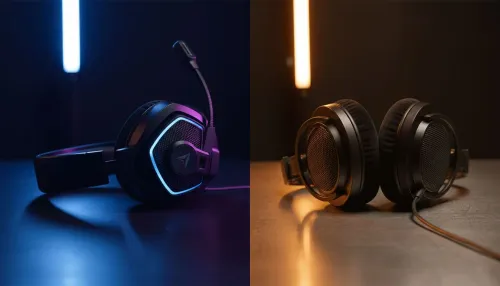
- Compare gaming headset vs studio headphones; - Assess comfort, mic and sound; - Recommend best daily picks. Gaming headset vs studio headphones: learn which suits work, music and casual gaming. 🎧⚖️