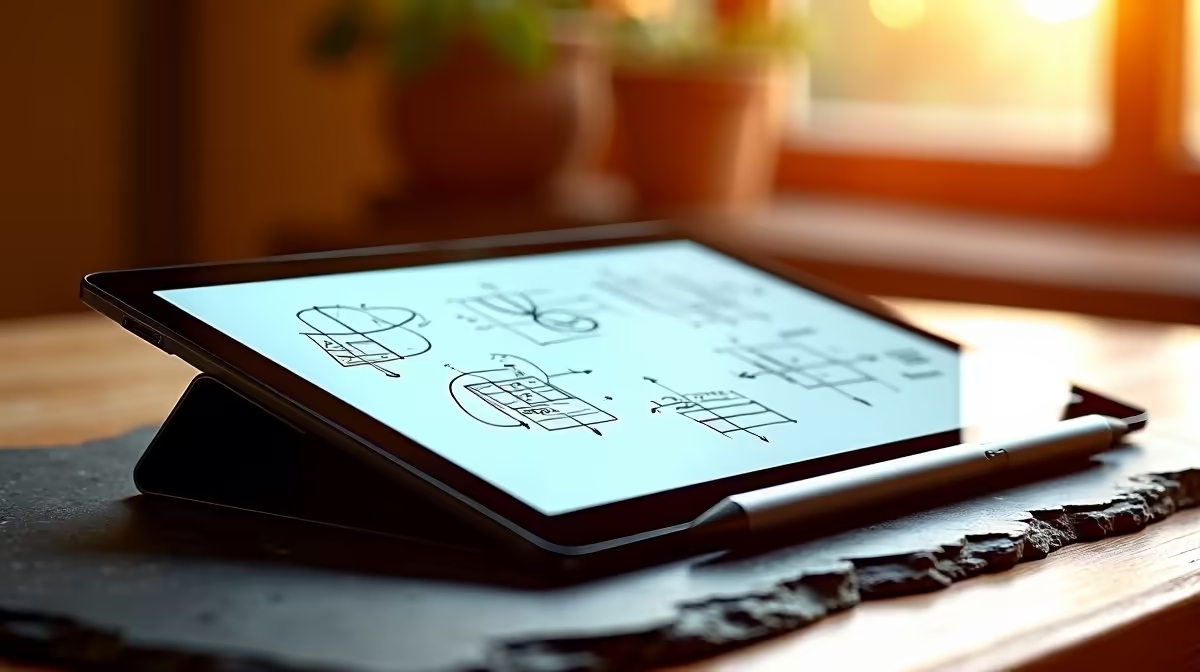
A note-taking tablet can be useful for a medical student who annotates slides, diagrams and ward material every day. It is unnecessary when typing, printing or a convertible laptop already covers the workflow. Course software, examination rules and secure handling of clinical information come first.
Test one academic week
List lectures, anatomy diagrams, reading, flashcards and online assessments. Check whether handwriting is searchable, files export to common formats and notes remain available without constant connectivity. Pen latency, replacement tips, battery life and screen glare matter more than entertainment features.
Avoid buying a second weak computer
The factpacks list no verified note-taking tablet SKU or price for this use. Compare current options by operating-system support, included pen, storage, keyboard access and warranty. Confirm that university applications and secure portals work before replacing a laptop with a tablet.
The ASUS ExpertBook P5405 with Core Ultra 5 226V, 16GB memory and 512GB storage costs a verified R12,700 as a conventional study-laptop reference. It does not become a pen tablet merely because it is portable. A student needing one device for specialist software may benefit more from a suitable laptop or verified convertible.
Keep patient-identifiable information out of personal note apps unless institutional policy explicitly allows it. Protect the device with strong authentication and verify backups. The tablet earns its place when handwriting and annotation save time every week.
Choosing a medical-study device? > Ask Evetech to compare laptops and current tablet options against course software and note habits.