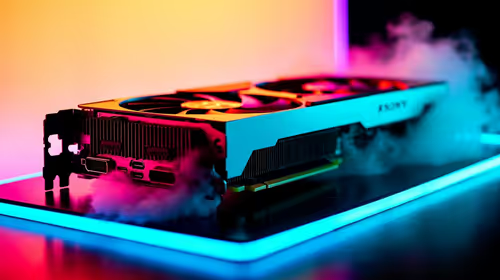
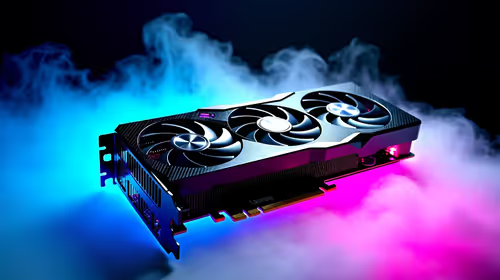
The next real fight in graphics is not the current generation refresh, it is the 2027 collision between two clean-sheet architectures. Nvidia Rubin, expected to carry the RTX 60 series, lines up against AMD RDNA 5, the architecture many now call UDNA, with a flagship rumoured to target roughly 96 compute units at the top of the stack. Both camps are aiming at the same window, and for once AMD looks willing to chase the high end rather than cede it. Here is how the matchup is shaping up and what it means before you spend on a card today.
Quick Answer
Nvidia Rubin (RTX 60) and AMD RDNA 5, or UDNA, are both expected around 2027 as next-generation, ground-up architectures. AMD is rumoured to follow Nvidia toward an enthusiast flagship of roughly 96 compute units rather than conceding the top tier as it did last round. Nothing is shipping yet, so the practical takeaway for buyers now is simple: a strong current-generation card remains the sensible purchase, because a 2027 launch is a long wait at South African prices.
Two Clean-Sheet Architectures, Not Refreshes
What makes this generation interesting is that neither side is iterating on what came before. Rubin is Nvidia's next architecture after the current Blackwell line, and the RTX 60 series is expected to ride on it. On the AMD side, RDNA 5 represents a strategic shift so significant that the company has been signalling a unified design, folding its gaming and data-centre graphics roadmaps closer together under the UDNA banner.
Why the UDNA pivot matters
AMD splitting its graphics into RDNA for gaming and CDNA for compute meant the two roadmaps drifted apart. Unifying them under UDNA lets AMD pour its considerable data-centre and machine-learning engineering back into gaming cards. In practice that should mean stronger upscaling, better ray-tracing hardware and a more competitive feature set, the areas where AMD has historically trailed Nvidia rather than on raw raster performance, where it has long been close.
What Rubin is expected to bring
Nvidia rarely stands still on the features that lock buyers in. Rubin is expected to push further on AI-driven rendering, frame generation and ray tracing, building on the lead Nvidia already holds in upscaling and developer adoption. The RTX 60 flagship will almost certainly sit at the top of the performance charts, as Nvidia's halo cards usually do. The more open question is the rest of the stack, where the real value for most buyers lives.
The 96 Compute Unit Question
The headline rumour around RDNA 5 is a flagship aiming at roughly 96 compute units. If accurate, that is a meaningful jump and a signal that AMD intends to contest the enthusiast tier rather than settle for the mid-range, which is the position it took in the current generation. A high compute-unit count alone does not win a generation, because architecture efficiency, clock speeds and memory bandwidth all factor in, but it does show intent. A genuine top-tier AMD card forces Nvidia to price more aggressively, and competition at the top usually pulls prices down across the whole range.
Why this is good news regardless of who wins
The last generation suffered from AMD conceding the flagship, which let Nvidia set premium pricing with little pressure. Two architectures both reaching for the top changes that dynamic. Even buyers who never intend to purchase a flagship benefit, because the competition ripples down into the mid-range cards most people actually buy.
Timing And The Reality Of 2027
Both architectures are expected around 2027, and that timeline deserves a sober reading. Roadmap dates slip, early silicon is scarce, and the first cards out of the gate are typically the expensive halo parts, not the sensible mid-range options most South African gamers want. The cards that deliver real value usually arrive months after the flagship, which pushes the practical buying window for ordinary gamers further into 2027 or beyond.
What this means if you need a GPU now
A 2027 launch is a long time to wait if your current card is struggling today. Holding out for an unreleased architecture means missing more than a year of gaming on whatever you have now. For most people the smarter move is to buy a capable current-generation card that meets your resolution and frame-rate targets, and treat Rubin and RDNA 5 as the upgrade you consider in 2028 once prices and availability have settled. The fastest-selling options in the best-selling GPU lineup are a good guide to where current value sits.
How To Read The Hype Between Now And Launch
Expect a steady drip of leaks, alleged specifications and benchmark rumours over the next year. Treat all of it with caution. Compute-unit counts and core numbers are only part of the picture, and pre-launch figures are frequently wrong or cherry-picked. The numbers that matter are real-world frame rates at your resolution, ray-tracing performance in the games you actually play, and the quality of each side's upscaling. None of those can be judged from a leaked spec sheet. When real reviews land, compare cards on delivered performance per Rand, not on architecture marketing.
The feature war may matter more than raw power
Increasingly, the decisive factor is software. Upscaling quality, frame generation and ray-tracing support often shape the real experience more than a few percent of raw horsepower. AMD's UDNA pivot is aimed squarely at closing that software gap, while Nvidia will push to extend its lead. For buyers, this means the better card in 2027 may be the one with the stronger feature set in your favourite titles, not simply the one with the bigger number on the box. You can see the full Nvidia and AMD graphics range currently stocked to gauge where today's options land while the next generation takes shape.
Frequently Asked Questions
When will Nvidia Rubin and AMD RDNA 5 actually launch?
Both are expected around 2027, though roadmap dates often shift. Flagship cards usually arrive first, with the more affordable mid-range models following months later.
Is RDNA 5 the same as UDNA?
They refer to the same generational shift. UDNA is AMD's term for unifying its gaming and data-centre graphics architectures, and RDNA 5 is the gaming generation built on that approach.
Should I wait for these cards or buy now?
If your current card is struggling, buy a capable current-generation GPU now. Waiting until 2027 means more than a year without an upgrade, and early next-gen cards tend to be expensive flagships rather than value options.
Will AMD really compete at the high end this time?
Rumours point to a roughly 96 compute-unit flagship, which signals intent to contest the top tier. Whether it wins depends on architecture efficiency and software, but even competing forces better pricing across the range.
What will matter most when these cards arrive?
Real frame rates at your resolution, ray-tracing performance and upscaling quality in the games you play, judged from actual reviews rather than leaked specifications.