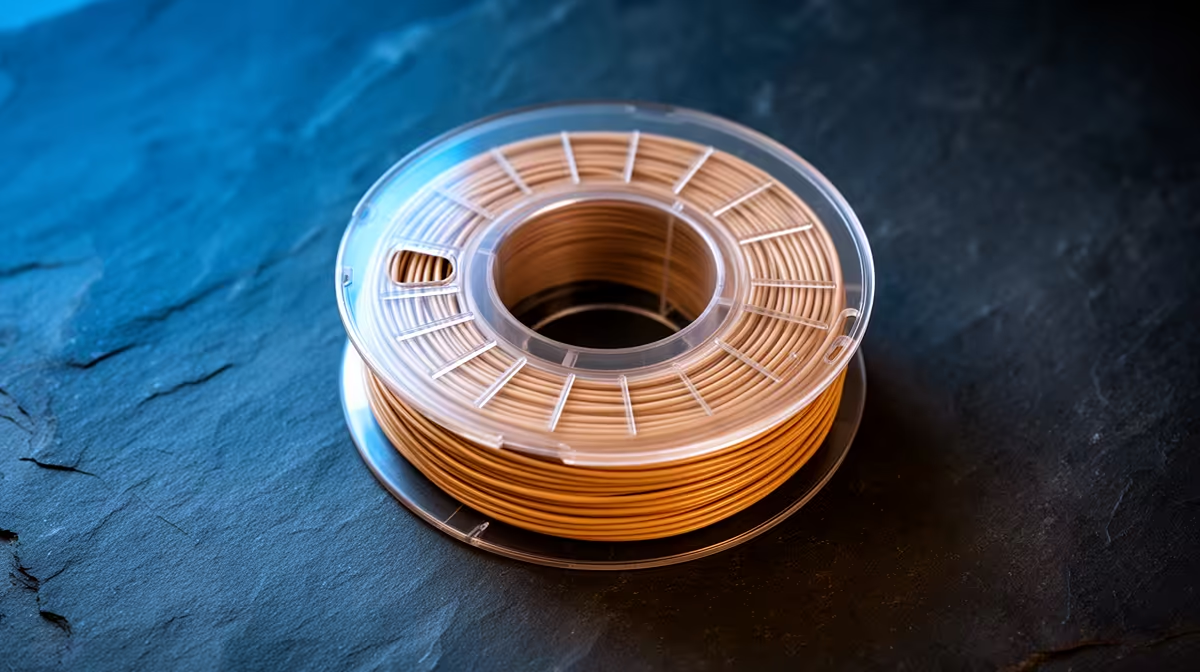
plant-based PLA vs standard plastic filaments is easier to judge when the setup problem is named clearly first. Good FDM results still come from dry filament, the right diameter, a sensible temperature range and a first layer that actually holds for plant-based PLA vs standard plastic filaments.
Quick Answer
For plant-based PLA vs standard plastic filaments, check 1.75mm filament support, temperature testing from 190 to 230 C and bed hold. PLA prints improve when the spool stays dry and the first small test confirms the profile for plant-based PLA vs standard plastic filaments.
Specs That Deserve Attention
The spool and the slicer profile need to agree for plant-based PLA vs standard plastic filaments. Confirm 1.75mm diameter, test 190-230 C range and watch bed adhesion before a long print for plant-based PLA vs standard plastic filaments. A calibration cube or short sample can expose feeding and cooling issues early for plant-based PLA vs standard plastic filaments.
What Can Go Wrong
For plant-based PLA vs standard plastic filaments, the right side depends on the use case. Faster glide, faster curing or higher strength is useful only when it improves the actual project, desk layout or room setup for plant-based PLA vs standard plastic filaments. Choose by outcome, not by the more impressive label for plant-based PLA vs standard plastic filaments.
How To Prevent PLA Frustration
Do not blame the printer first when plant-based PLA vs standard plastic filaments goes wrong. Damp material, poor first-layer grip and rushed temperature changes can create rough surfaces or weak parts for plant-based PLA vs standard plastic filaments.
Local Buying Notes
For South African makers, plant-based PLA vs standard plastic filaments should be planned around material availability, storage and small test runs. Track filament support and temperature testing from 190 to 230 C in a simple note so the next print is easier to diagnose for plant-based PLA vs standard plastic filaments.
FAQ
Is plant-based PLA different in daily use?
For this topic, 1.75mm diameter is the early filter and dry storage is the long-term ownership check during real use of plant-based PLA vs standard plastic filaments.
Does eco-friendly material change print setup?
Keep Plant-Based PLA versus Standard Plastic tied to the main print setup problem, not to a generic feature claim. Watch 190-230 C range, then decide whether the product deserves a longer session.
How do I avoid greenwashing the decision?
Treat Plant-Based PLA versus Standard Plastic as a practical check around signal stability, not as a label decision. That detail can affect comfort, print quality, viewing setup or repeat reliability during real use of plant-based PLA vs standard plastic filaments.
Compare products for plant-based PLA vs standard plastic filaments by 1.75mm diameter, 190-230 C range and setup effort before deciding.