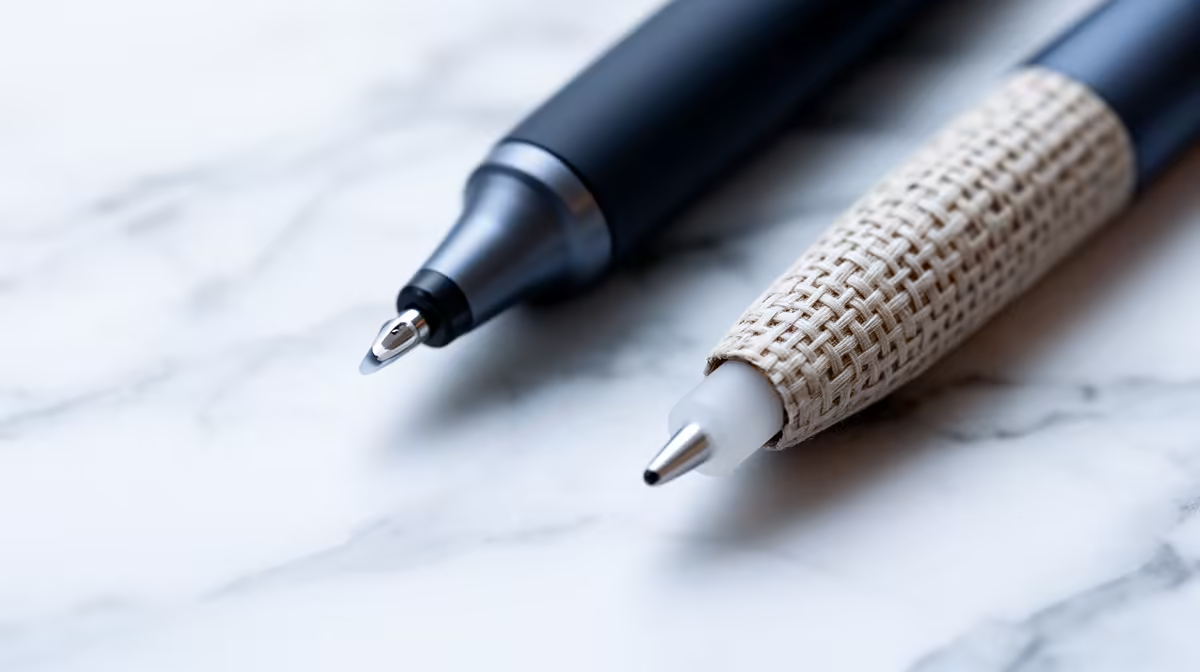
The useful comparison around plastic nibs versus paper-like cone nibs is not a scoreboard of features. It is whether cone nib feel, 4096 pressure levels and 1 mm stroke alignment make lecture notes feel cleaner for local designers.
Quick Answer
For plastic nibs versus paper-like cone nibs, shortlist around cone nib feel, 4096 pressure levels and 1 mm stroke alignment. In lecture notes, those details matter because they shape more natural shading and reduce the chance of tip offset.
How To Weigh Plastic Nibs versus Paper-like Cone Nibs
Use one normal session as the test case for plastic nibs versus paper-like cone nibs. During lecture notes, watch how cone nib feel affects timing, handling or comfort, then compare 4096 pressure levels against the device you use most. A practical shortlist for plastic nibs versus paper-like cone nibs should reduce tip offset for shared devices. The right option makes more natural shading feel routine rather than fragile.
Trade-Offs Buyers Should Not Ignore For Plastic Nibs versus Paper-like Cone Nibs
Small details around plastic nibs versus paper-like cone nibs become more important after the unboxing. Cable strain, button placement, app support, desk space and storage can all change how tablet workflows feels. Use 4096 pressure levels as the tie-breaker for plastic nibs versus paper-like cone nibs during normal desk use. If two options look close, choose the one that keeps faster shortcuts steady with fewer daily workarounds.
Final Checks For Lecture Notes For Plastic Nibs versus Paper-like Cone Nibs
The final check for plastic nibs versus paper-like cone nibs is whether you can explain the benefit in one real situation. If the answer is lecture notes, connect it directly to cone nib feel, 4096 pressure levels or 1 mm stroke alignment. If the answer for plastic nibs versus paper-like cone nibs is only that the product sounds premium, the shortlist needs more work. A good choice for plastic nibs versus paper-like cone nibs makes more natural shading easier without adding tip offset.
nibs versus paper-like cone nibs against one real lecture notes session. If cone nib feel, 4096 pressure levels and 1 mm stroke alignment all fit, the plastic nibs versus paper-like cone nibs shortlist is already stronger.
FAQ
How should I compare Plastic Nibs versus Paper-like Cone Nibs without overthinking it for Lecture Notes?
Compare plastic nibs versus paper-like cone nibs by cone nib feel, 4096 pressure levels and how each option behaves in lecture notes. The better choice for plastic nibs versus paper-like cone nibs should reduce tip offset, not only add another listed feature.
Is the newer-looking option always better for Plastic Nibs versus Paper-like Cone Nibs when Cone Nib Feel matters in Lecture Notes?
No. A newer-looking product is only better for plastic nibs versus paper-like cone nibs if 1 mm stroke alignment and device support improve more natural shading in your actual setup.
What is the tie-breaker for Plastic Nibs versus Paper-like Cone Nibs with 4096 Pressure Levels in Lecture Notes?
For plastic nibs versus paper-like cone nibs, use comfort and compatibility as the tie-breaker. If 4096 pressure levels is clearer on one option, that model is usually easier to live with during tablet workflows.