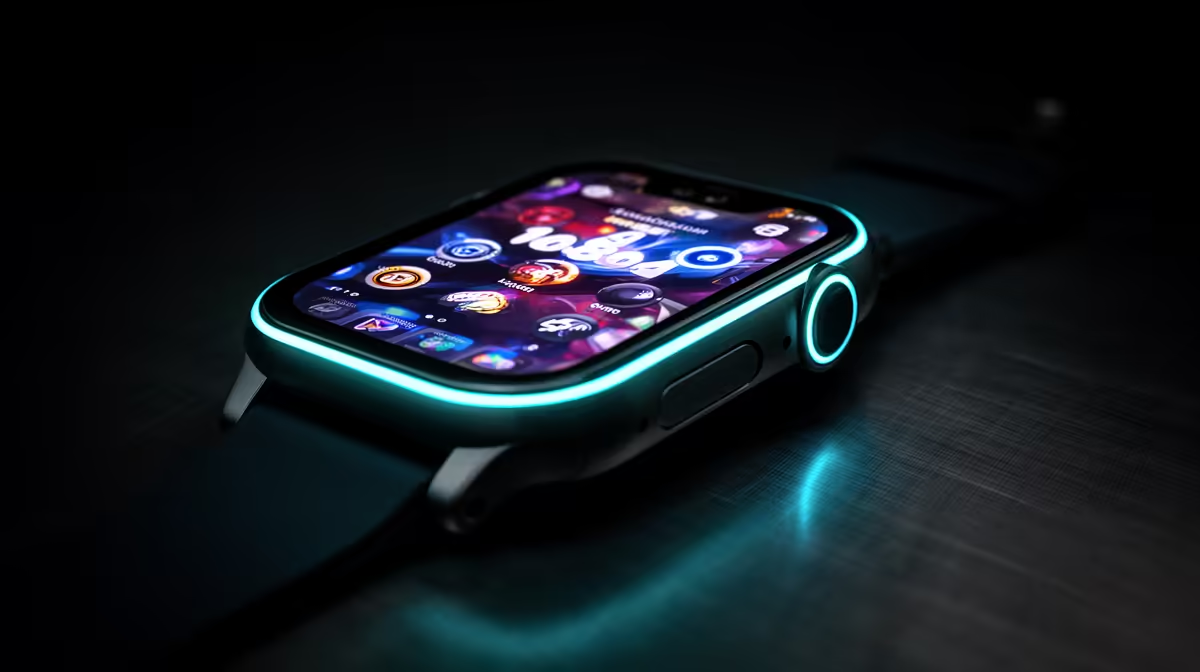
A smartwatch can be practical for alarms, exercise and limited family contact, but safety depends on privacy settings, account ownership and charging habits. It should not become a hidden monitoring tool in a teenager’s room. The supplied factpacks do not verify a smartwatch or price.
Agree on purpose before setup
Decide which features are genuinely needed: alarms, approved contacts, activity reminders or emergency calling. Review location sharing, microphone access, message previews and health-data collection together. A teenager should understand what is visible to family members and what the manufacturer stores online.
For a current model, confirm phone compatibility, update-support period, battery service, water resistance, charger safety, emergency limitations and whether features need a subscription. Use a child or family account only when its controls match the teenager’s age and household agreement. Enable a device lock, unique account password and multifactor authentication where supported.
Charge the watch on a stable, ventilated surface away from bedding, and stop using damaged cables or a swollen battery. Schedule quiet hours so notifications do not disturb sleep or school preparation. Keep emergency numbers available outside the watch because a flat battery or lost connection can make it unavailable. Revisit permissions as the teenager matures. Buy only when the family can explain the purpose, privacy boundaries and fallback plan in plain language. A wearable is practical when it supports independence without turning the bedroom into a surveillance zone.
Planning safer family technology? > Compare current connected-device options with Evetech around compatibility and account security.