

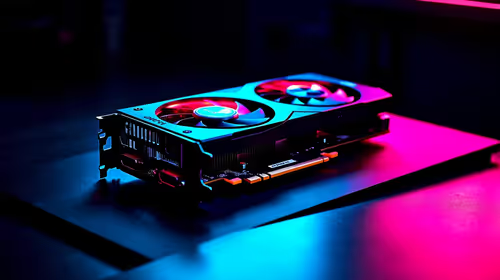
Back-to-School Parent Guide: GPUs in SA
Back-to-School Parent Guide: GPUs. Everything you need to know with SA pricing, step-by-step instructions & expert recommendations.
Read moreEvery spec on nvme ssd explained in plain English. What matters for gaming and creator work in 2026, what's marketing fluff, and how each number translates to real-world performance.

Tired of staring at loading screens while your squad is already dropping into Warzone? In South Africa, where unexpected power cuts can force a sudden system reboot, every single second counts. Whether you are booting into Windows or loading massive textures, upgrading your storage is the fastest way to inject raw speed into your rig. But before you buy, you need the definitive breakdown of M.2 NVMe SSD form factors, interface types, and performance tiers to ensure perfect compatibility. 🚀
M.2 drives look like tiny sticks of gum... but they pack massive storage potential. The numbers you see on the spec sheet, like 2280 or 2230, simply describe their physical dimensions. The first two digits represent the standard 22mm width. The last two or three digits show the length in millimetres.
Most modern desktop motherboards use the standard 2280 size. However, if you are upgrading a compact gaming handheld or browsing the latest notebooks for sale in South Africa, you might need a much shorter 2230 drive. Buying the wrong size means the drive simply will not fit. Always double-check your specific device manual before spending your hard-earned ZAR. Nobody wants the frustration of an incompatible part arriving at their door.
Your motherboard interface type dictates your maximum theoretical speed. Think of PCIe generations as national highway lanes. PCIe Gen 3 caps out around 3,500 MB/s. PCIe Gen 4 doubles that bandwidth to a blistering 7,000 MB/s. Now, the bleeding-edge PCIe Gen 5 is pushing past 10,000 MB/s.
If you are currently hunting for the best gaming PC deals, aim for a system with at least Gen 4 support. It is the absolute sweet spot for modern gaming and Windows DirectStorage requirements. Just remember that PCIe is backwards compatible. Putting a Gen 4 drive in an older Gen 3 slot works perfectly... but it will limit your speeds to Gen 3 levels. Upgrading your motherboard later will unlock the drive's full potential.
High-speed Gen 4 and Gen 5 NVMe SSDs generate serious heat. If your motherboard lacks built-in M.2 armour, always buy a drive with an included heatsink to prevent thermal throttling during heavy gaming sessions.
Not all solid-state drives are created equal... even if they share the exact same interface. Entry-level performance tiers often use DRAM-less controllers to keep manufacturing costs low. These budget-friendly drives are fantastic for secondary storage or casual gaming.
Mid-tier options add a dedicated DRAM cache. This crucial component ensures sustained read and write speeds during large file transfers. Top-tier enthusiast drives combine premium controllers with the finest NAND flash memory available. These beasts are built for heavy 4K video editing and massive open-world game libraries. They also offer the highest endurance ratings for absolute peace of mind.
If you want maximum value for your upgrade budget, keep a close eye on our weekly component specials. You can frequently grab top-tier NVMe performance at mid-tier prices... giving your PC the ultimate speed boost without breaking the bank. ✨
Ready to Banish Loading Screens? Upgrading your storage is the smartest investment for any gamer or creator. Explore our massive range of SSD deals at Evetech and find the perfect NVMe drive to turbocharge your system today.
The SSDs, tools and accessories referenced in this article are stocked at Evetech.co.za with local SA warranty, ZAR pricing and nationwide delivery.
The article breaks down the real-world impact on gaming FPS, creator workflows and everyday responsiveness — not just raw spec numbers.
Only a handful of specs meaningfully change your experience. The guide ranks them by real impact so you spend on what counts.
We cover upgrade headroom, platform longevity and the specific features worth paying extra for if you plan to keep this build for several years.
The article includes a clear generational uplift summary so you can judge whether upgrading from your current hardware is worthwhile.
Back-to-School Parent Guide: GPUs. Everything you need to know with SA pricing, step-by-step instructions & expert recommendations.
Read more
Pre-Buy Checklist: 10 Things to Verify Before. Comprehensive checklist covering every spec and feature you should verify before buying in SA.
Read more
Fortnite Max Settings on RTX 4080. Tested & verified settings for best FPS and visual quality on SA hardware budgets.
Read more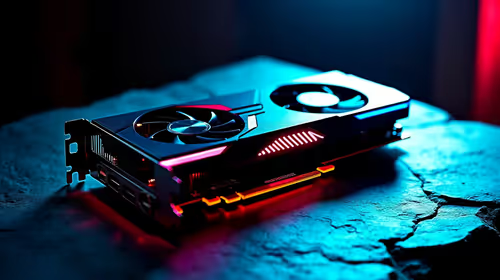
RTX 4070 Ti Super Throttling Under Load. Everything you need to know with SA pricing, step-by-step instructions & expert recommendations.
Read more
Easter GPU Buying Guide. Hand-picked gift ideas at every budget tier. SA pricing & Evetech availability included.
Read more
Valorant Max Settings on RTX 4080. Tested & verified settings for best FPS and visual quality on SA hardware budgets.
Read more
Snapdragon X2 NPU Explained: How 80 TOPS Changes. Plain-English explanation of what it means, why it matters & how it affects your buying decisions in SA.

HBM? High Bandwidth Memory Used in GPUs and AI. Plain-English explanation of what it means, why it matters & how it affects your buying decisions in SA.
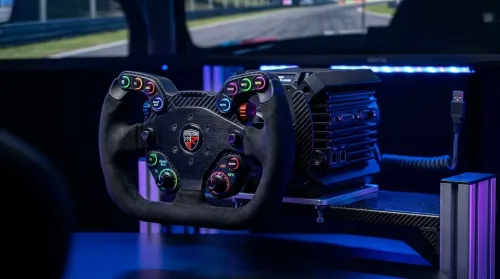
How much should you spend on sim racing accessories in South Africa for a realistic setup? We break down budgets by quality tiers, so you buy smart gear and avoid overspending 🎮💸

G-Sync and FreeSync? Variable Refresh Rate. Plain-English explanation of what it means, why it matters & how it affects your buying decisions in SA.

AMD Laptop: Value. SA-focused analysis with local pricing data, real-world insights & actionable buying advice.

How MacBook Neo Handles 30+ Chrome Tabs with Only. SA-focused analysis with local pricing data, real-world insights & actionable buying advice.

Why Apple Put 8GB RAM in MacBook Neo: The A18 Pro. SA-focused analysis with local pricing data, real-world insights & actionable buying advice.

Upgrade your work laptop with a New Motherboard. Step-by-step instructions with SA-specific tips, common pitfalls to avoid & expert recommendations.

Maintain wired headset — Checklist: • inspect cables • clean earpads • store properly 🔧🎧 Practical steps to preserve sound quality and avoid premature replacements.

Fix crackling headset fast: step-by-step checks for cables, connectors, drivers, and settings to remove static or distorted audio on wired headsets 🎧⚙️

Stereo vs mono headsets: learn which delivers clearer calls, better spatial music, or simpler mono voice performance — pick the right headset for meetings, music, or gaming 🎧💬
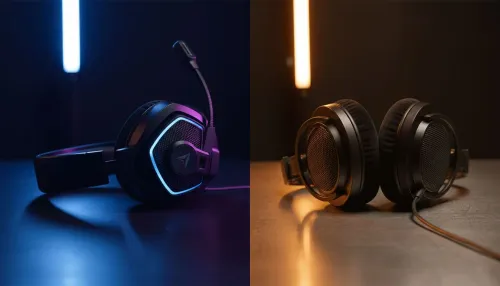
- Compare gaming headset vs studio headphones; - Assess comfort, mic and sound; - Recommend best daily picks. Gaming headset vs studio headphones: learn which suits work, music and casual gaming. 🎧⚖️