Quick Answer
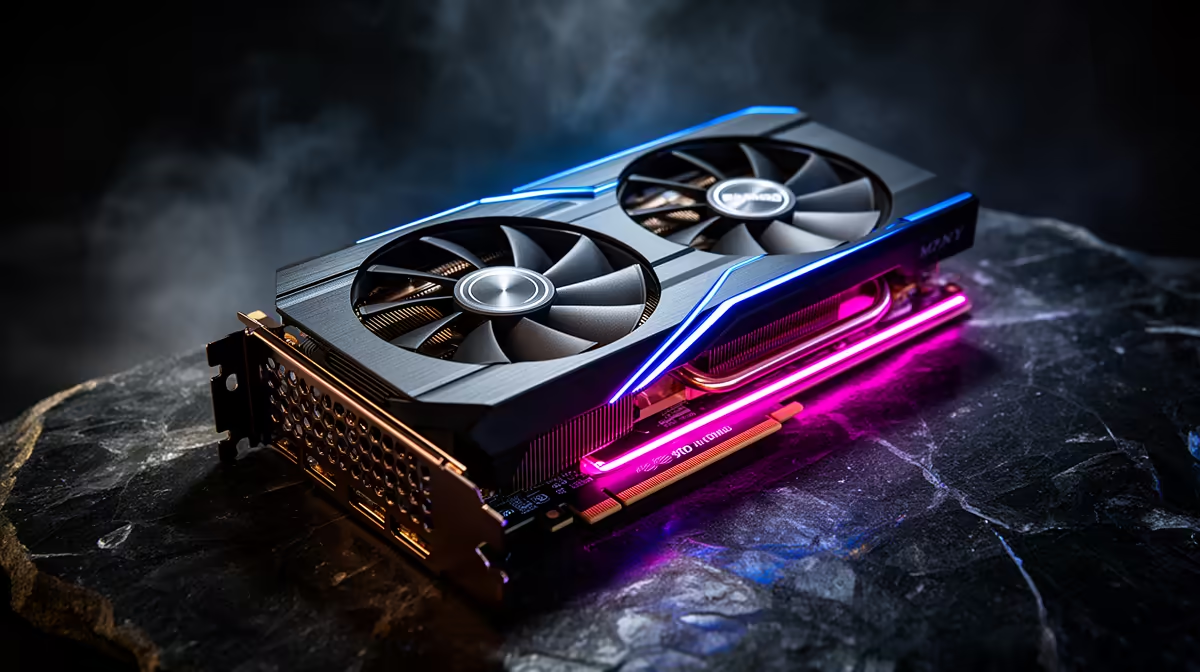
Three GPU cooling terms directly affect real-world temperatures: copper base plate, DrMOS integrated power stages, and 0-dB fan mode. Understanding them helps you compare cooler quality between cards at similar prices where the underlying GPU chip is identical.
Copper Base Plate vs Aluminium Base 🔧
The base plate sits directly on the GPU die and spreads heat into the heat pipes. Copper has approximately twice the thermal conductivity of aluminium (400 W/mK versus 205 W/mK). Cards with a copper or nickel-plated copper base show roughly 3 to 7 degrees Celsius lower peak temperature under sustained gaming load than aluminium-only designs on the same GPU chip.
When comparing RTX 5060 board partner models at similar prices, checking whether each uses a copper base identifies the better-engineered thermal solution. Cards from ASUS ROG Strix and Gigabyte Aorus lineups typically use copper bases; budget dual-fan cards sometimes use aluminium to hit a lower price point. Product images often show the difference: a silver contact surface indicates aluminium, a darker reddish-brown surface indicates copper.
DrMOS Power Stages: Cooler VRMs 🔌
DrMOS stands for Driver MOSFET, an integrated power stage combining the high-side MOSFET, low-side MOSFET, and gate driver into a single package. Integration reduces switching losses and allows the heatsink to cool power stages alongside the GPU die without separate VRM thermal solutions.
The specification is sometimes listed as a current rating per phase: 50A, 60A, or 70A DrMOS. For mainstream cards below 160W TGP, 50A to 60A DrMOS is standard and adequate. For high-TGP flagship cards above 250W, 70A or 80A components provide more thermal headroom.
0-dB Fan Mode: Silent Idle 🔊
0-dB fan mode stops the GPU fans entirely when the card temperature sits below the preset threshold, typically 50 to 60 degrees Celsius. At idle, the GPU generates only 10 to 20W of heat and the heatsink dissipates this passively. When gaming starts and temperature climbs past the threshold, fans spin up smoothly from 0 RPM rather than jumping to full speed.
For SA students using a PC in shared res rooms or home offices, 0-dB mode eliminates GPU fan noise during non-gaming use. Combined with a CPU cooler supporting fan stop, total system noise during study sessions can be near-zero.
Identify Base Material From Product Listings ⚡
for phrases like copper heat pipes with direct touch base or full copper base plate in specifications. If the listing says only aluminium heatsink with no copper mention, the base is likely aluminium. This is visible in product photos: a silver surface indicates aluminium, a reddish-brown surface indicates copper or nickel-plated copper.
FAQ
Does a card with DrMOS and a copper base always run cooler?
Under similar conditions, yes. DrMOS reduces VRM heat and a copper base moves die heat faster. However, heatsink fin area, heat pipe count, and fan size also significantly affect final temperatures. A large aluminium heatsink with many heat pipes can match a small copper base design in absolute temperature.
Can I add copper shims or thermal pads to upgrade my GPU's cooling?
Technically yes, but this voids most manufacturer warranties. Aftermarket copper shims can improve die-to-heatsink contact on older cards where factory thermal paste has dried. On a new card, factory thermal materials are adequate and modification is not recommended.
How do I confirm 0-dB mode is working on my card?
In MSI Afterburner's Hardware Monitor tab, watch the fan RPM sensor at idle. Zero RPM confirms 0-dB mode is active. Start a GPU-intensive task and you will hear the fans begin their smooth ramp-up, confirming passive-to-active cooling transition.
Choosing a GPU and want to compare cooling quality before you buy?
Evetech stocks GPUs from leading board partners with full cooling specifications on each product page. Browse the graphics card category and check the specifications tab to compare base materials, DrMOS ratings, and 0-dB support across models.