A TPM 2.0 check is not overkill for an engineering student preparing a Windows 11 upgrade, device-encryption change or motherboard replacement. It can prevent lost access and clarify whether firmware support, configuration or a newer platform is required.
Verify status before entering firmware
Open Windows security or TPM management and note the status, specification version and exact computer model. Review manufacturer documentation before changing settings. Locate the device-encryption recovery key and prove that the authorised student account can retrieve it.
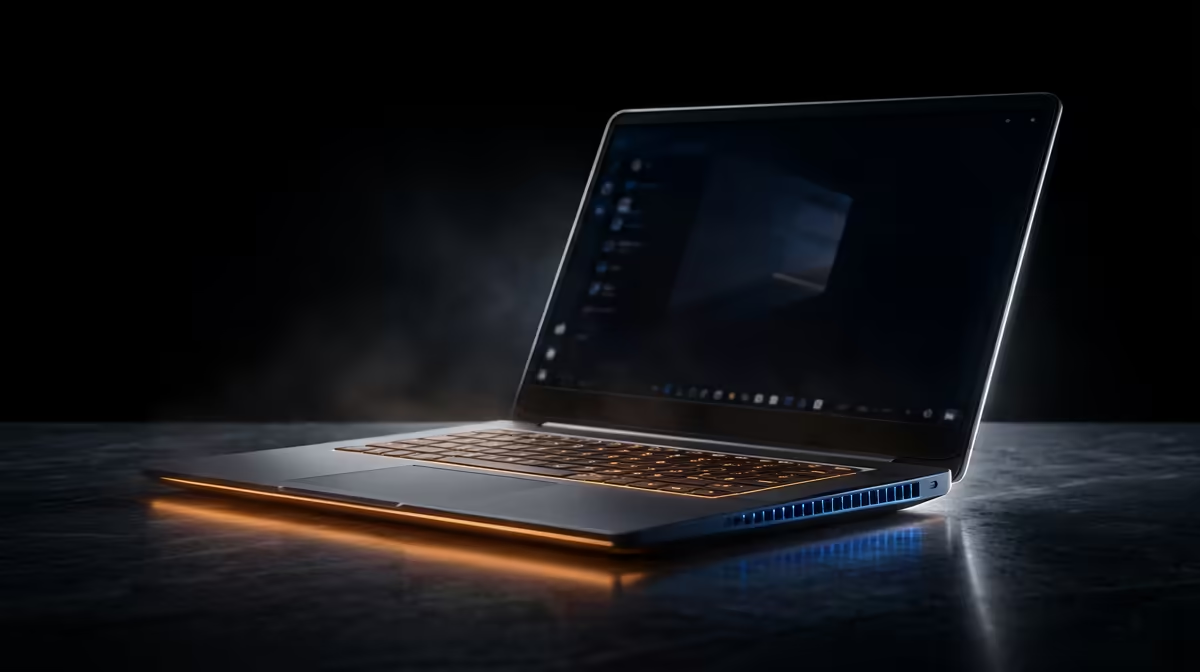
The ASUS ExpertBook P1503 with Core i5-13420H, 8GB RAM, 512GB SSD and Windows 11 Pro is verified at R9,858 as a current computer reference. That listing does not diagnose another machine or promise engineering-software compatibility. Confirm the exact platform, firmware support, course applications, encryption state, upgrade path and warranty.
Back up CAD files, code, notebooks, licences and recovery details independently. Never clear a TPM without understanding the encrypted data and restoration route. Install firmware only from the manufacturer and seek competent support when instructions are uncertain.
Complete the check before spending on replacement parts. A disabled supported feature may need configuration, while an unsupported system calls for a wider software, security and workload decision.
Record the current firmware version and secure-boot status beside the TPM result for later troubleshooting.
Preparing an engineering PC update? > Compare Evetech Windows laptops after documenting TPM and software support.