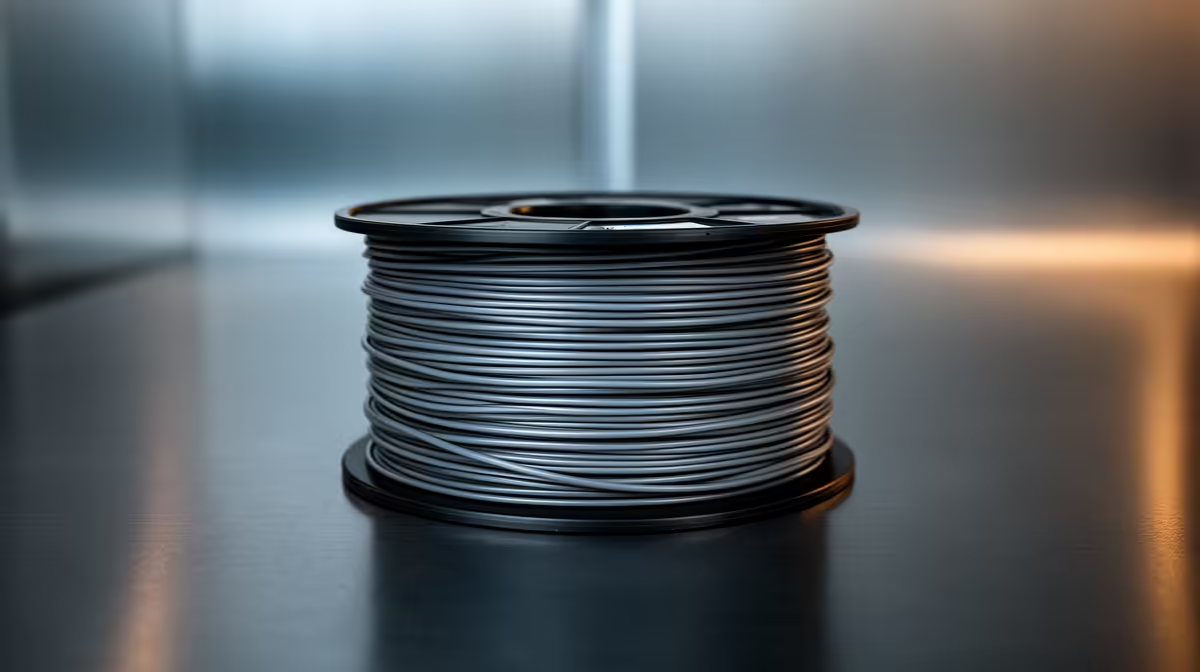
A useful look at difference Between 1.75mm Tolerance Ratings Precise Prints starts with the problem it must solve, then works back to the specs. It is whether standard filament diameter, 10 mm fit check and USB-C compatibility make daily device use cleaner for local students.
Quick Answer
The practical answer for understanding the Difference Between standard-diameter Tolerance Ratings is to match standard filament diameter, 10 mm fit check and USB-C compatibility to your main device or workspace first. If wrong ports is the concern, check USB-C compatibility on understanding difference between tech accessory in the device pass.
Compare Understanding the Difference Between standard-diameter Tolerance Ratings In Real Use
Begin with the device chain or workspace you already use for understanding the Difference Between standard-diameter Tolerance Ratings. If standard filament diameter is unclear, the rest of the comparison becomes guesswork, especially when daily device use needs cleaner compatibility. The useful sign for understanding difference between tech accessory is repeatable cleaner compatibility after the desk-fit pass. Test understanding difference between tech accessory in daily device use during the workflow pass.
Trade-Offs Buyers Should Not Ignore For Daily Device Use For Understanding the Difference Between standard-diameter
The middle of the listing is where understanding the Difference Between standard-diameter Tolerance Ratings often becomes clear. For understanding difference between tech accessory, confirm standard filament diameter in the comfort pass. Test understanding difference between tech accessory in daily device use during the battery pass. Use 10 mm fit check as the storage pass tie-breaker for understanding difference between tech accessory.
Which Choice Fits Desk Fit For Understanding the Difference Between standard-diameter
Keep the decision grounded in the first week of ownership for understanding the Difference Between standard-diameter Tolerance Ratings. You will notice standard filament diameter and 10 mm fit check quickly, but USB-C compatibility decides whether the product stays convenient after the novelty fades. For understanding difference between tech accessory, confirm standard filament diameter in the workflow pass. The useful sign for understanding difference between tech accessory is repeatable cleaner compatibility after the battery pass.
the Difference Between standard-diameter Tolerance Ratings still feels confusing, remove any Understanding Difference Between option that does not explain standard filament diameter or 10 mm fit check plainly.
FAQ
What should I confirm first for Understanding the Difference Between standard-diameter Tolerance Ratings during Daily Device Use in Storage use?
Start with standard filament diameter, then check 10 mm fit check and USB-C compatibility on the device or workspace you use most. That gives understanding the Difference Between standard-diameter Tolerance Ratings a practical test before style.
When is Understanding the Difference Between standard-diameter Tolerance Ratings worth stepping up for Desk Fit in Storage use?
A practical shortlist for understanding difference between tech accessory should reduce wrong ports before the device pass ends. The useful sign for understanding difference between tech accessory is repeatable cleaner compatibility after the comfort pass.
What is the easiest mistake with Understanding the Difference Between standard-diameter Tolerance Ratings in Desk Setups for Storage buyers?
Use 10 mm fit check as the layout pass tie-breaker for understanding difference between tech accessory. Understanding the Difference Between standard-diameter Tolerance Ratings should fit desk setups as well as the main use case.