



IPS vs OLED for Competitive esports in SA
IPS vs OLED depends on Competitive esports needs, platform limits, and budget fit. Compare compatibility, latency, upgrade path, and real setup constraints before choosing for an SA build.
Read moreWhere Alberton Gamers Buy A OLED Gaming Monitor That's needs a balanced South African view before choosing hardware. Check resolution, settings, cooling, power needs, platform fit, warranty support, and upgrade plans before deciding.
Alberton gamers buy OLED gaming monitors from Evetech with next-day South Rand delivery. The LG 27GS95QE (27-inch WOLED, 240 Hz, ~R8,500) and Samsung Odyssey OLED G8 (34-inch QD-OLED, 175 Hz, ~R11,000) are the most popular OLED monitor picks currently stocked at Evetech. Both deliver sub-0.03 ms response time and true HDR — a significant step above IPS or VA panels at comparable sizes.
LG 27GS95QE (~R8,500, 27-inch WOLED, 2560×1440, 240 Hz): WOLED panel with 0.03 ms GtG, infinite contrast, 1,000 nit HDR peak, Nvidia G-Sync Compatible and AMD FreeSync Premium. Best 27-inch OLED option for esports players who want HDR and high refresh. Ideal pairing for RTX 4070 or RX 7800 XT.
LG 32GS95UE (~R14,000, 32-inch WOLED, 4K, 240 Hz): 4K resolution on a WOLED panel at 240 Hz — dual-mode supports both 4K/240 Hz and 1080p/480 Hz. The most demanding monitor currently available; pairs best with RTX 4090 or RX 9070 XT.
Samsung Odyssey OLED G8 (~R11,000, 34-inch QD-OLED, 3440×1440, 175 Hz): Ultrawide QD-OLED with HDR1000, 0.03 ms response, and a built-in Smart TV interface. Popular for dual-use gaming and movie watching.
Burn-in risk is real but manageable. For mixed gaming and productivity use (4–6 hours daily), most users report no burn-in within 3–5 years. Enable pixel-shift, screen-saver timers, and avoid static brightness settings above 150 nits for daily use. Dedicated content creators who display static HUDs 10+ hours daily should factor this risk.
For gaming: yes, in most cases. The contrast difference between OLED (infinite) and IPS (1,000:1) is visible in any scene with dark areas. The 0.03 ms GtG response vs. IPS's typical 1–4 ms is measurably lower in motion blur tests. At R8,500 for the LG 27GS95QE, OLED is now competitively priced against premium IPS.
For 1440p/240 Hz in AAA titles at high settings, an RTX 4080 or RX 9070 XT is the realistic minimum. For esports titles (Valorant, CS2) an RTX 4070 comfortably exceeds 240 fps at 1440p on competitive settings. At 4K/240 Hz (LG 32GS95UE), an RTX 4090 is required for consistent frame rates.
OLED panels struggle to compete with direct sunlight, but at 1,000–1,300 nit HDR peak, they perform well in normally lit rooms. For direct-sunlight setups, IPS panels with 600+ nit brightness are more practical. Most Alberton home gaming rooms with standard indoor lighting pose no problem for OLED.
Enable the OLED Care features (Pixel Refresh, Pixel Shift) in your monitor OSD from day one — these features run calibration cycles that significantly extend OLED panel lifespan without any visible impact on your gaming sessions.
IPS vs OLED depends on Competitive esports needs, platform limits, and budget fit. Compare compatibility, latency, upgrade path, and real setup constraints before choosing for an SA build.
Read more
Skip the RTX 5060 for local AI workloads if memory headroom is the bigger need. SA buyers should compare VRAM capacity, CUDA support, PSU needs, case space, gaming overlap, software stack, and realistic model sizes before choosing a GPU for your PC.
Read more
Front-mesh airflow cases has practical trade-offs for SA buyers, not one answer for every setup. Compare fit, compatibility, upgrade path, price tier, and daily gaming needs before deciding.
Read more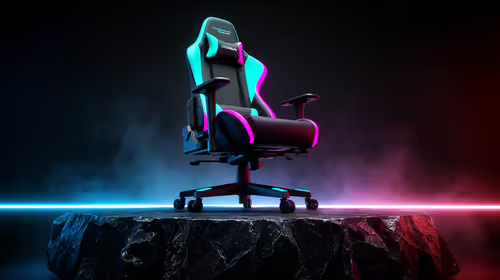
gaming chair guide for Pietermaritzburg gamers should be shortlisted around the job it must do. South African buyers should compare fit, performance, compatibility, and upgrade room, warranty path, and upgrade room before treating any pick as best.
Read more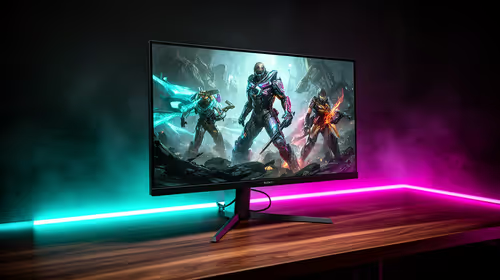
Where East London gamers buy a gaming monitor should be shortlisted around the job it must do. South African buyers should compare panel type, resolution, refresh rate, and ports, warranty path, and upgrade room before treating any pick as best.
Read more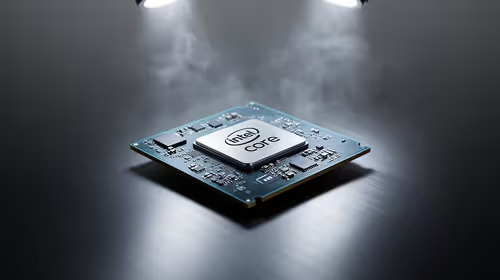
Intel Core Ultra CPU S-tier through F-tier should be shortlisted around the job it must do. South African buyers should compare fit, performance, compatibility, and upgrade room, warranty path, and upgrade room before treating any pick as best.
Read more
Steam game recording black screen needs a fresh capture and export test before a hardware upgrade. Check the recording mode, free space and whether another game records correctly. Community reports suggest testing broadcasting settings, but that is not a universal fix.
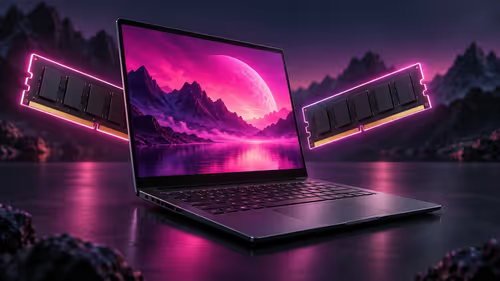
MSI Stealth 16 RTX 5070 specs need an exact SKU check because current listings disagree on GPU memory. One UK listing says 12GB while MSI's family table says 8GB. Confirm the supplied configuration rather than assuming either describes every machine.
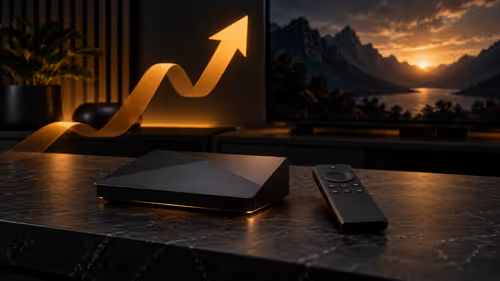
SHIELD TV Pro price increase means a higher US price for the existing streaming box. NVIDIA confirmed the change starts on 2 October and cited component costs. Compare playback needs, regional service access and the full local quote before buying.

Is a transparent phone mount the key to clearer windshield views? 🚗 We analyze if these see-through accessories actually reduce obstruction while driving or if they’re just a clever marketing gimmick. Find out which mount keeps your dash clean. 📱
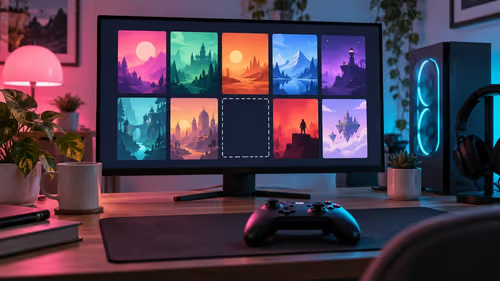
Steam game missing from library usually needs an account and filter check before a reinstall. Match your receipt to the signed-in account, clear library filters and inspect hidden games. Installed files do not establish ownership on the account you are using.
Steam game recording black screen needs a fresh capture and export test before a hardware upgrade. Check the recording mode, free space and whether another game records correctly. Community reports suggest testing broadcasting settings, but that is not a universal fix.

Windows 11 two finger scroll not working needs a gesture and driver check first. Test pointer movement and scrolling in more than one app, inspect Touchpad settings and use Windows Update or the laptop maker's driver. A new mouse is only a workaround.

Windows 11 Insider 26220.9587 is a Beta preview released on 2 October. Microsoft lists Unicode text support, Settings performance work and a Cloud Rebuild entry point. These are preview changes, not a reason to move your only working PC onto a test build.
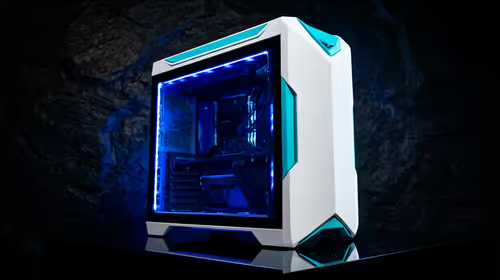
white PC builds in SA is worth checking through fit, cost, availability, and upgrade impact instead of a blanket trend claim. SA builders should compare setup details before changing parts or priorities.
IPS vs OLED depends on Competitive esports needs, platform limits, and budget fit. Compare compatibility, latency, upgrade path, and real setup constraints before choosing for an SA build.

Should I use thermal paste or thermal pads should be shortlisted around the job it must do. South African buyers should compare GPU tier, VRAM, cooling, and PSU headroom, warranty path, and upgrade room before treating any pick as best.
Skip the RTX 5060 for local AI workloads if memory headroom is the bigger need. SA buyers should compare VRAM capacity, CUDA support, PSU needs, case space, gaming overlap, software stack, and realistic model sizes before choosing a GPU for your PC.