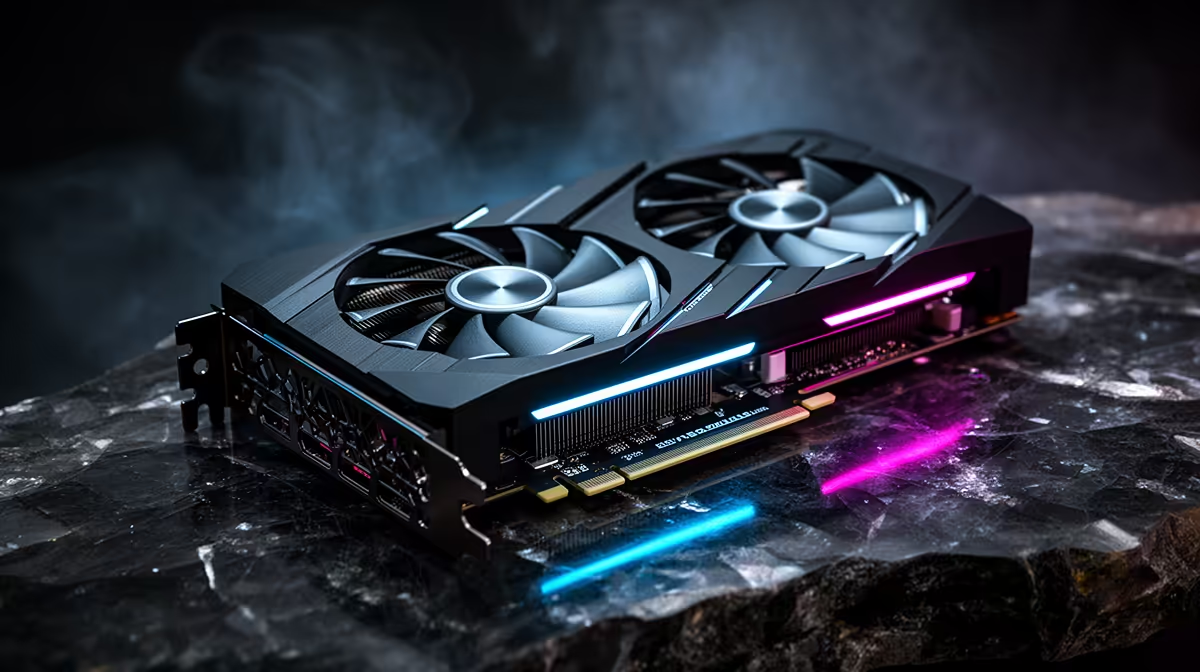
Every PC builder is waiting for the same thing: the moment graphics card prices finally break and fall back to something sane. The hard read for 2026 and into 2027 is that the wait looks like a losing bet. The pressures pushing prices up are structural, not seasonal, and for South African buyers there is a second force layered on top that the international forecasts never mention.
Quick Answer
Graphics card prices are more likely to rise than fall through 2026. GDDR7 memory shortages and relentless AI demand keep GPU costs climbing, with no meaningful relief expected before the next generation matures. SA buyers also carry Rand exposure on top of global pricing, which makes "waiting for cheaper cards" a particularly weak strategy locally.
Why the Global Floor Keeps Rising
Two forces dominate the story, and both point the same direction.
The GDDR7 Memory Squeeze
Modern high-end cards depend on GDDR7, the fast memory that feeds the GPU. Memory manufacturing capacity is finite, and right now an enormous share of it is being pulled toward AI accelerators and data-centre products that command premium prices. When the same memory lines that could supply gaming cards are diverted to higher-margin AI hardware, the supply reaching consumer GPUs tightens and the component cost inside every card goes up. That cost does not stay hidden; it flows straight into the sticker price.
AI Demand Is Not a Phase
The second force is the sheer scale of AI buildout. Data centres are absorbing graphics silicon and memory at a pace that competes directly with the consumer market for the same wafers and the same fabrication capacity. As long as that demand runs hot, manufacturers have every incentive to prioritise the products that earn the most per wafer, and gaming cards are not at the top of that list. This is a structural shift in where the industry's capacity goes, not a temporary spike that clears in a quarter.
What Usually Brings Prices Down, and Why It Is Missing
Historically, GPU prices ease in two situations. The first is oversupply, when manufacturers have built more cards than buyers want and discount to clear stock. The second is a generational launch that pushes the previous generation down the price ladder. Neither lever is in a strong position right now.
Oversupply is unlikely while memory itself is the bottleneck, because you cannot flood the market with cards you cannot get the memory to build. And while next-generation launches do eventually arrive, a launch into a constrained-supply, high-demand environment tends to debut at elevated prices rather than dragging the whole stack downward. The new top end sets a high anchor, and the older cards hold value rather than collapsing in price. That is the opposite of the relief most buyers are hoping for.
The South African Layer
Here is the part the global forecasts leave out. Whatever happens to the dollar price of a graphics card, SA buyers also absorb the exchange rate. Cards are imported and priced against a global cost base, so when the Rand weakens against the dollar, local prices climb even if the international price held perfectly steady. You are exposed to two variables at once: the global supply-and-demand trend, which is pointing up, and the currency, which adds its own volatility.
This is exactly why the "wait for it to get cheaper" plan is weaker here than almost anywhere else. A buyer overseas waiting six months is betting on one variable moving in their favour. An SA buyer waiting is betting on two, and both currently lean the wrong way. The card that costs a certain amount today could plausibly cost more in six months purely on currency movement, before the global trend even enters the picture.
Should You Buy Now or Wait?
The instinct to wait for a better price is sensible in most markets. In this one it carries real downside. If the trend is upward and the currency is unpredictable, waiting means risking a higher price for the same card while losing months of use you could have had. There is no looming oversupply event and no generational launch positioned to crater prices, so the usual reasons to hold off are absent.
Buy When You Have a Genuine Need
The honest guidance is to buy when you actually need the card, not to time a market that is structurally working against you. If your current card is failing or holding back a system you use daily, the cost of waiting is both the risk of a higher price and the opportunity cost of not having the performance now.
Match the Card to Real Use, Not Hype
The smarter saving is not in timing but in sizing. Buying a card that genuinely matches your monitor and the games you play beats overspending on headroom you will not use. A buyer on a 1080p or 1440p display rarely needs the absolute top tier, and choosing sensibly there saves far more than any plausible price dip would. The current graphics card range at Evetech spans the full ladder, so the win is picking the right rung rather than waiting for the whole ladder to drop.
Watch the Best-Sellers for Value Signals
The cards that consistently sell well tend to be the ones offering the strongest performance-per-Rand at a given moment, which is a useful proxy when you are deciding where to spend. Checking the GPU best-sellers list gives a quick read on where the value currently sits in the local market without having to track every model individually.
How to Protect Your Budget in a Rising Market
A few practical moves help when prices are not on your side:
- Buy the tier you need, not the tier you want. The biggest savings come from right-sizing, not from waiting. A well-matched mid-range card beats a stretched high-end purchase you cannot fully use.
- Prioritise the bottleneck. If your current GPU is the weakest link in a system you rely on, upgrading it returns real value now rather than later.
- Avoid over-buying on memory you will not use. Higher memory tiers cost more; only pay for them if your resolution and workload actually demand it.
- Treat any price dip as a bonus, not a plan. If a genuine discount appears, take it, but do not build your decision around one arriving.
The Bottom Line for 2026 and 2027
The forces moving graphics card prices are deep in the supply chain: memory shortages, AI demand and finite manufacturing capacity. None of them resolves quickly, and a next-generation launch into a tight market is more likely to anchor prices high than to pull them down. Add the Rand to the equation and the case for waiting weakens further for SA buyers specifically. The realistic stance is to buy when you have a real need, size the card to your actual use, and treat any discount that appears as a happy surprise rather than the strategy itself.
Frequently Asked Questions
Will graphics card prices drop in 2026?
A meaningful drop is unlikely. GDDR7 memory shortages and AI demand are pushing costs up, and there is no oversupply or price-cutting generational launch positioned to reverse that. Prices are more likely to hold or rise than to fall.
Why does AI demand affect gaming GPU prices?
AI accelerators and gaming cards compete for the same manufacturing capacity and the same memory supply. When AI products command higher margins, manufacturers prioritise them, which tightens the supply reaching consumer cards and raises their cost.
Should I wait to buy a graphics card or buy now?
If you have a genuine need, buying now is usually wiser than waiting. The trend is upward, there is no looming price-cutting event, and SA buyers also face currency risk, so waiting risks paying more for the same card while losing months of use.
How does the Rand affect GPU prices in South Africa?
Graphics cards are imported and priced against a global, dollar-based cost. When the Rand weakens, local prices rise even if the international price stayed flat, so SA buyers carry exchange-rate risk on top of the global supply trend.
Will the next generation of cards be cheaper?
Probably not at launch. A new generation arriving into a constrained, high-demand market tends to debut at elevated prices and set a high anchor, which holds the value of older cards up rather than dragging the whole range down.
With prices trending up, picking the right card for your actual setup matters more than timing the market. Browse Evetech's graphics card range and choose the tier that genuinely fits your display and your games.