Chair Size Guide 2025: Measure for Your Perfect Ergonomic Fit
Unlock ultimate comfort & productivity in 2025! Our chair size guide helps you measure yourself for the perfect ergonomic fit. Say goodbye to discomfort and hello to peak performance with the right chair dimensions. 📏✨
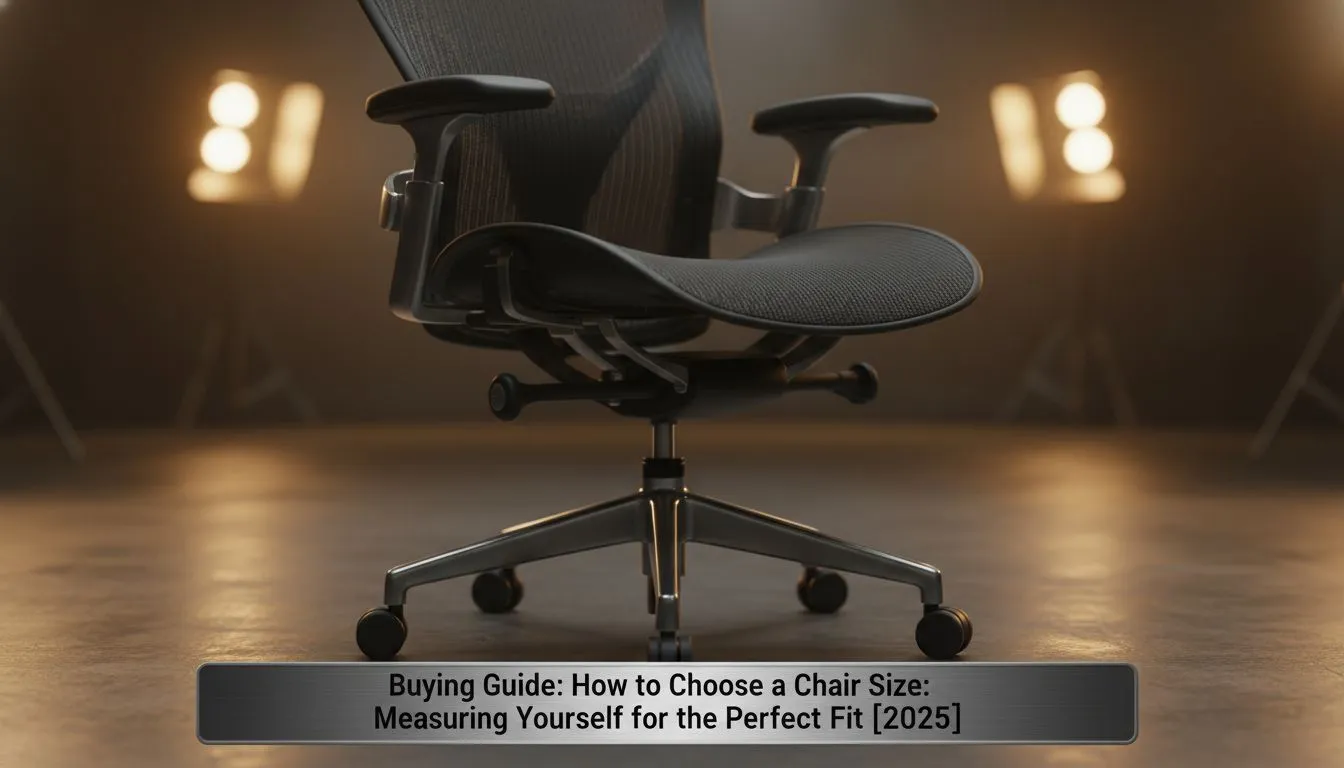
Lekker, another 6-hour gaming session done… but your back feels like you’ve been wrestling a warthog. Sound familiar? The wrong chair is more than just uncomfortable; it’s a performance killer. A one-size-fits-all approach just doesn't cut it. This isn't just another product list; it's your definitive 2025 chair size guide, designed to help you measure for the perfect ergonomic fit and finally banish that post-game ache for good.
Why Your Chair's Size is Crucial for an Ergonomic Fit
Think of a good gaming chair as a piece of performance hardware, just like your GPU or mouse. A chair that’s too big or too small forces your body into unnatural positions, leading to back pain, neck strain, and reduced focus. Getting the perfect ergonomic fit ensures your spine is supported, your blood circulation is optimal, and you can stay locked in for longer. It's the foundation of any serious setup, impacting everything from your reaction time to your long-term health. The right size is non-negotiable for anyone serious about their setup.
The Ultimate 3-Step Measurement Guide 📏
Before you even browse the massive selection of gaming chairs, grab a measuring tape. These three simple measurements are the key to unlocking comfort. This is the most important part of our chair size guide, so take your time and get it right.
1. Seat Height (Your Feet on the Floor)
Sit on a flat chair or bench with your feet flat on the floor and your knees bent at a 90-degree angle. Measure the distance from the floor to the back of your knee. This measurement is your ideal seat height. It allows for proper blood flow and prevents pressure on the back of your thighs.
2. Seat Depth (Your Back Against the Rest)
While still seated, measure from the back of your knee to your lower back. Now, subtract about 5cm (or three fingers’ width) from this measurement. This is your ideal seat depth. This gap ensures you can sit all the way back, utilising the lumbar support without the seat edge digging into your calves. It’s a critical step to achieve a truly ergonomic fit.
3. Backrest Height (Shoulder & Head Support)
Measure from the seat of the chair to the top of your shoulders. If you prefer a full headrest (highly recommended for long sessions), measure from the seat to the top of your head. This will tell you if a chair’s backrest is tall enough to provide proper upper back, neck, and head support, which is a signature feature of premium brands like Vertagear.
TIP FOR YOU
Don't Forget Your Desk! 🔧
Your chair and desk work as a team. Your ideal seat height should allow your arms to rest on your desk at a 90-degree angle without shrugging your shoulders. If your desk is too high or too low, even the perfect chair won't feel right. Aim for your elbows to be level with the desktop surface.
Decoding Chair Specs: From Weight to Width
Now that you have your personal measurements, you can confidently compare them against product specifications. Look for these key details on any product page:
- Weight Capacity: Always choose a chair rated to comfortably support your weight. This isn’t just a safety issue; it affects the longevity of the gas lift and other components. Many innovative options from Enova offer robust frames for peace of mind.
- Seat Width & Depth: Compare your measurements to the chair’s dimensions. Ensure there’s enough room to sit comfortably without being squeezed or having too much excess space.
- Adjustability: Look for 4D armrests, tilt lock, and height adjustment. The more you can customise the fit, the better. This level of detail is where you'll see the quality in top-tier noblechairs models.
- Lumbar & Neck Support: Most quality chairs include adjustable pillows. These are essential for maintaining the natural curve of your spine during marathon sessions.
Finding the perfect chair doesn’t mean you have to break the bank. Once you know your required size and features, it’s easy to find fantastic value. There are plenty of great gaming chairs under R5000 that offer excellent ergonomics without the premium price tag. Using this chair size guide ensures your money is well spent on a chair that truly fits you. ✅
Ready to Find Your Perfect Match? Investing in a chair that fits you perfectly is one of the best upgrades you can make for your health and gaming performance. Now that you know your measurements, you're ready to choose with confidence. Explore our massive range of gaming chairs and find the perfect throne to conquer your world.
Measure your height, inseam (heel to knee), sitting depth (back to knee), and armrest height (elbow to seat). These key personal measurements guide you to the right chair dimensions.
The ideal chair height allows your feet to be flat on the floor, or supported by a footrest, with your knees at a 90-degree angle. Your forearms should be parallel to the floor when typing.
Match your body measurements to the chair's adjustable ranges for seat depth, height, backrest height, and armrest height. This ensures a personalized, ergonomic fit for optimal support.
While principles are similar, gaming chairs often have more specific sizing charts tailored to height and weight ranges, focusing on posture for extended gaming sessions. Always check the gaming chair size chart.
Crucial dimensions include seat height, seat depth (to support thighs without pressure behind knees), lumbar support height, and armrest height to support shoulders and wrists properly.
Look for chairs with extended adjustment ranges for seat height, backrest, and depth. Many brands offer specific chair dimensions for tall person or short person models to accommodate diverse body types.
Related Articles