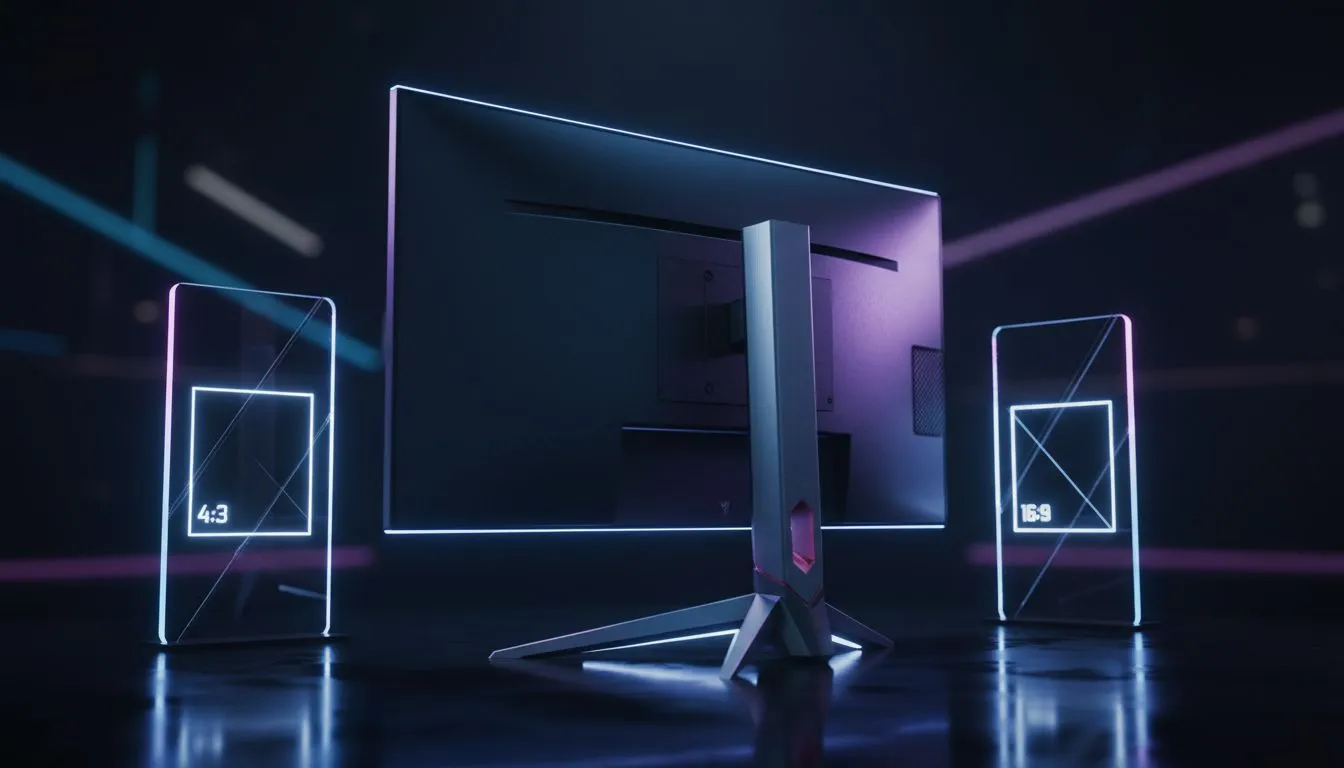
In the high-stakes world of Rainbow Six Siege, every millisecond counts. You have probably seen pros playing with a "stretched" look and wondered if it actually helps. Finding the best aspect ratio for Siege: 4:3 vs 16:9 can be the difference between a clean headshot and a frustrating loss. Let's break down which setting will help you climb the South African ranked ladders. ⚡
Understanding the Best Aspect Ratio for Siege: 4:3 vs 16:9
Choosing your aspect ratio is more than just a visual preference... it is a tactical decision. In Siege, the way your screen displays information affects how your brain processes enemy movement. Most modern quality PC monitors default to 16:9, but many competitive players intentionally change this.
The debate usually centres on one thing: target size. When you use a 4:3 aspect ratio on a 16:9 screen, the image is "stretched" to fill the space. This makes enemy character models appear wider. If an operator looks "thicker" on your screen, they can feel easier to hit. This is why many local players hunting for budget-friendly monitor deals prioritise high refresh rates over native resolution.
The Case for 4:3 Stretched
The primary reason to use 4:3 is the perceived increase in target size. In a game where holding a pixel-thin angle is common, having a wider head to click on is a massive benefit. However, there is a trade-off. While targets are wider, they also appear to move faster across your screen. This requires better flick aim and faster reaction times.
Many players find that immersive curved monitors can actually help mitigate the distorted feeling of 4:3 by wrapping the edges of the screen toward the eye. It creates a unique visual profile that many entry fraggers swear by.
Sensitivity Pro Tip ⚡
switching from 16:9 to 4:3 stretched, your horizontal mouse movement might feel faster than your vertical movement. You do not necessarily need to change your DPI. Instead, try adjusting your in-game horizontal sensitivity or your FOV settings to find a balance that feels natural for your muscle memory.
Why 16:9 Native Still Holds Ground
If 4:3 makes targets wider, why does anyone stay on 16:9? The answer is peripheral vision and clarity. Playing at 16:9 gives you the widest possible field of view... meaning you can spot a roamer in the corner of your eye that a 4:3 player might miss entirely.
For those using high-end 4K and 5K displays, the visual fidelity of 16:9 is unmatched. Rainbow Six Siege is a beautiful game, and native resolution ensures that long-range angles remain crisp without the pixelation that sometimes occurs with stretching.
Performance and Hardware Considerations
Your choice might also depend on your hardware. If you are a competitive gamer on the move using portable monitors, you might prefer the consistency of 16:9. However, if you are chasing the highest possible frame rates, lower aspect ratios like 4:3 can sometimes offer a slight performance boost because the GPU is technically rendering fewer unique horizontal pixels before stretching.
Regardless of your choice, ensure your setup is ergonomic. Using the right monitor accessories, like a gas-spring arm, allows you to pull the screen closer to your face... a common tactic for 4:3 players who want to maximise that "stretched" advantage.
Finding Your Perfect Balance
Ultimately, the best aspect ratio for Siege: 4:3 vs 16:9 comes down to your role. Are you an aggressive Ash main who needs wide targets to flick onto? Try 4:3. Are you a support player holding long hallways with an ACOG? 16:9 might be your best bet.
Most of the high-refresh gaming monitors available today handle both ratios perfectly. The best way to decide is to spend a few hours in the Shooting Range testing both. You will know you have found the right one when those headshots start feeling like second nature. 🚀
Ready to Find Your Perfect Match? The 4:3 vs 16:9 debate is all about personal performance, but having the right hardware is the first step to victory. Explore our massive range of gaming monitors and find the perfect display to help you dominate the competition in South Africa.