

RTX 4060 Ti PUBG at 1440p: FPS Benchmark & Optimal Settings
RTX 4060 Ti PUBG at 1440p: FPS Benchmark. Real-world benchmark data, FPS numbers & performance analysis. What SA gamers can actually expect.
Read moreDLSS vs FSR: which is best for your gaming rig? We break down NVIDIA's AI-powered Deep Learning Super Sampling and AMD's open-source FidelityFX Super Resolution. Discover the key differences in performance, image quality, and hardware support to choose the right tech and maximize your framerates. 🚀🎮
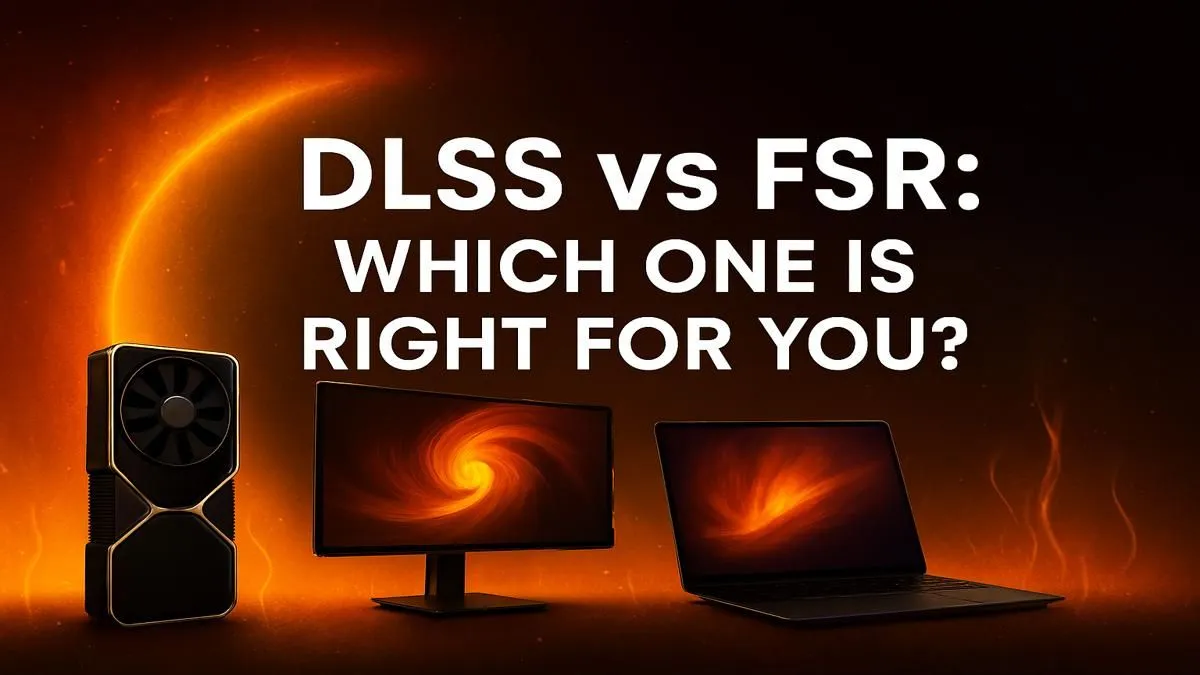
Struggling to hit that buttery-smooth 144 FPS in the latest titles without your PC sounding like a jet engine? You're not alone. In South Africa, getting maximum performance for your Rand is key. The big question is: in the battle of DLSS vs FSR, which upscaling tech gives you the best boost? Let's break it down, so you can make the smart choice for your rig. 🚀
Before we pick a winner, what exactly is upscaling? Think of it as a clever performance trick. Your graphics card renders a game at a lower resolution (like 1080p), which is much easier and faster. Then, a smart algorithm instantly stretches that image up to your monitor's native resolution (like 1440p or 4K).
The magic is in how it fills in the missing details. Both NVIDIA's DLSS and AMD's FSR do this, but they use very different methods, leading to different results in performance and visual quality. The end goal is the same: more frames per second (FPS) without a noticeable drop in what you see on screen.
NVIDIA's Deep Learning Super Sampling (DLSS) is the AI-powered option. It uses dedicated hardware called Tensor Cores, found exclusively on GeForce RTX graphics cards, to work its magic. By analysing game motion and previous frames, its AI model reconstructs the image with incredible detail.
For gamers, this means a few things:
The trade-off is exclusivity. If you don't have an RTX card, DLSS isn't an option.
Before committing to a card based on upscaling tech, check if your favourite games support it. A quick search for "Cyberpunk 2077 FSR support" or "Alan Wake 2 DLSS support" will give you instant answers. Websites like PCGamingWiki are excellent resources for this.
AMD's FidelityFX Super Resolution (FSR) takes a different approach. It's an open-source spatial upscaling technology. In simple terms, it doesn't rely on special AI hardware. This is its greatest strength. ✨
FSR works on a massive range of hardware, including:
While the first version of FSR was good, FSR 2 and later versions have dramatically improved image quality, making the FSR vs DLSS comparison much closer. While DLSS often still has a slight edge in motion clarity, FSR provides a fantastic, accessible performance boost for almost everyone.
So, which one should you use? The choice often comes down to the hardware you already own or plan to buy. 🤔
You have an NVIDIA RTX 20, 30, or 40-series GPU and prioritise the absolute best image fidelity. For cinematic, single-player games where every detail and colour matters, DLSS often provides a crisper, more stable image.
You have an AMD GPU, an older NVIDIA card (like a GTX 1660), or you simply want the flexibility of an open standard. FSR is the people's champion, bringing free performance to a huge number of gamers across South Africa.
Ultimately, both technologies are fantastic for squeezing more performance out of your hardware. The best way to decide is to see which card fits your budget and performance goals, and you can explore our best graphics card deals to find the perfect fit. Trying both in a game that supports them is the ultimate test.
Ready to Find Your Perfect Match? The DLSS vs FSR debate is complex, but the right graphics card makes the choice simple. For maximum frames, stunning visuals, and unbeatable value in South Africa, the perfect GPU is waiting. Explore our massive range of graphics card deals and find the perfect engine to conquer your game.
The core difference is their approach. DLSS uses AI and dedicated Tensor Cores on NVIDIA RTX GPUs for upscaling, while FSR is an open-source spatial upscaling algorithm that works on a wider range of hardware.
Generally, DLSS is praised for superior image quality and temporal stability due to its AI model. However, recent versions of FSR have significantly closed the gap, offering very competitive visuals.
Yes. Because AMD's FSR is open-source, it works on a wide variety of GPUs, including NVIDIA's GeForce series and even Intel's Arc cards, making it incredibly versatile.
Performance gains vary by game, resolution, and quality settings. Both offer significant FPS boosts. It is best to check specific game benchmarks to see which performs better in your favorite titles.
Yes, DLSS is a proprietary NVIDIA technology that relies on the dedicated Tensor Core hardware found exclusively in their GeForce RTX series of graphics cards (20-series and newer).
If you have an NVIDIA RTX card, try DLSS first for its excellent image quality. If you have any other card or the game doesn't support DLSS, FSR is a fantastic option for boosting performance.
RTX 4060 Ti PUBG at 1440p: FPS Benchmark. Real-world benchmark data, FPS numbers & performance analysis. What SA gamers can actually expect.
Read more
Head-to-head comparison of RTX 4080 Super vs RTX 3050: Gaming Performance for SA gamers. Performance benchmarks, Rand pricing & which delivers better value.
Read more
RTX 4080 Super for Scientific Computing. Real-world benchmark data, FPS numbers & performance analysis. What SA gamers can actually expect.
Read more
RTX 4060 Ti Star Wars Outlaws FPS: Performance. Real-world benchmark data, FPS numbers & performance analysis. What SA gamers can actually expect.
Read more
RTX 4060 Ti AV1 Encoding: Benchmark & Real-World. Real-world benchmark data, FPS numbers & performance analysis. What SA gamers can actually expect.
Read more
Snapdragon X2 NPU Explained: How 80 TOPS Changes. Plain-English explanation of what it means, why it matters & how it affects your buying decisions in SA.
HBM? High Bandwidth Memory Used in GPUs and AI. Plain-English explanation of what it means, why it matters & how it affects your buying decisions in SA.
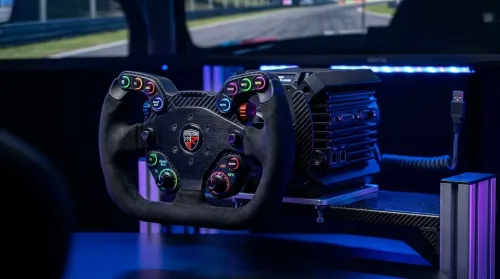
How much should you spend on sim racing accessories in South Africa for a realistic setup? We break down budgets by quality tiers, so you buy smart gear and avoid overspending 🎮💸

G-Sync and FreeSync? Variable Refresh Rate. Plain-English explanation of what it means, why it matters & how it affects your buying decisions in SA.

AMD Laptop: Value. SA-focused analysis with local pricing data, real-world insights & actionable buying advice.
How MacBook Neo Handles 30+ Chrome Tabs with Only. SA-focused analysis with local pricing data, real-world insights & actionable buying advice.

Why Apple Put 8GB RAM in MacBook Neo: The A18 Pro. SA-focused analysis with local pricing data, real-world insights & actionable buying advice.
Upgrade your work laptop with a New Motherboard. Step-by-step instructions with SA-specific tips, common pitfalls to avoid & expert recommendations.
Maintain wired headset — Checklist: • inspect cables • clean earpads • store properly 🔧🎧 Practical steps to preserve sound quality and avoid premature replacements.
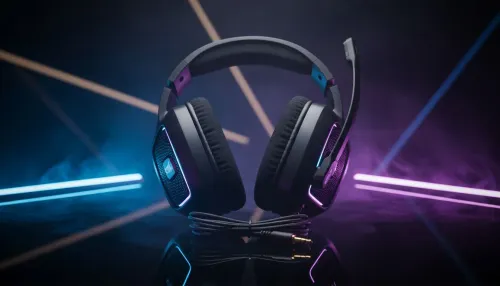
Fix crackling headset fast: step-by-step checks for cables, connectors, drivers, and settings to remove static or distorted audio on wired headsets 🎧⚙️
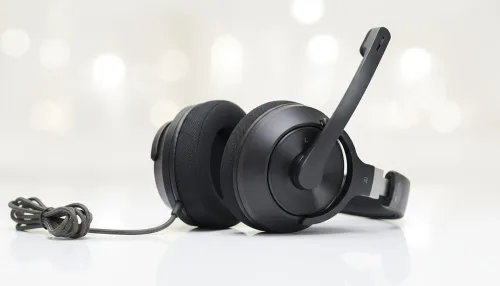
Stereo vs mono headsets: learn which delivers clearer calls, better spatial music, or simpler mono voice performance — pick the right headset for meetings, music, or gaming 🎧💬
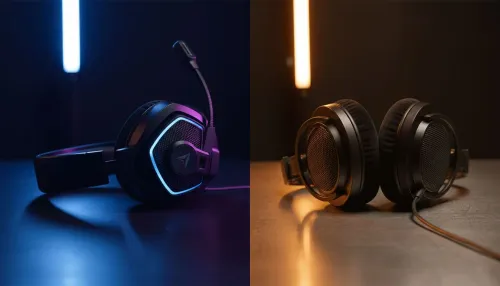
- Compare gaming headset vs studio headphones; - Assess comfort, mic and sound; - Recommend best daily picks. Gaming headset vs studio headphones: learn which suits work, music and casual gaming. 🎧⚖️