

RX 9060 XT Like a Dragon Performance: FPS Test & Settings Guide 2026
RX 9060 XT Like a Dragon Performance: FPS Test. Real-world benchmark data, FPS numbers & performance analysis. What SA gamers can actually expect.
Read moreDebating HDMI 48Gbps vs 40Gbps gaming performance for your monitor? We put these Ultra High Speed HDMI 2.1 cables to the test to see if the 8Gbps difference truly impacts 4K 120Hz gameplay. Discover if you need the extra bandwidth for a flawless experience. 🎮 Get the definitive answer! 👇
You’ve just unboxed a beastly new graphics card and a stunning 4K gaming monitor. Life is good. But then you see it… two "Ultra High Speed" HDMI cables. One boasts 48Gbps, the other 40Gbps. Did you just bottleneck your rig? In the heated battle of HDMI 48Gbps vs 40Gbps gaming, does that 8Gbps difference actually matter for your frame rates and visual fidelity? Let's settle this debate for South African gamers. 🤔
Think of HDMI bandwidth as the width of a highway. The more lanes you have, the more data (cars) can travel at once without a traffic jam. The HDMI 2.1 specification created a super-highway capable of 48Gbps, designed to handle the massive amount of data required for stunning visuals on high-resolution 5K and 4K monitors.
However, not all "HDMI 2.1" ports are created equal. Manufacturers can implement a slightly narrower, 40Gbps version that still meets the standard's core features. This is where the HDMI 48Gbps vs 40Gbps gaming confusion begins.
So, what’s the real-world difference when you’re chasing a high score in Apex Legends or exploring the world of Cyberpunk 2077?
The key takeaway? DSC is considered "visually lossless." For the human eye, especially in the fast-paced motion of gaming, the difference between an uncompressed 48Gbps signal and a compressed 40Gbps signal is practically impossible to spot. In fact, many excellent PC monitors and high-end TVs use 40Gbps ports and deliver world-class performance.
Before you worry, check the tech specs for your graphics card and monitor on their product pages. Most NVIDIA RTX 30-series and newer GPUs support the full 48Gbps, while some displays and consoles like the PS5 use 40Gbps or even 32Gbps ports. Knowing what your hardware supports is half the battle.
If the difference is negligible for gaming, why does 48Gbps even exist? The extra bandwidth in the HDMI 48Gbps vs 40Gbps gaming comparison is mostly for niche use cases and future-proofing.
Professional video editors working with 12-bit colour source material might benefit from the uncompressed signal. It also provides more headroom for future technologies, like 8K gaming at higher refresh rates. But for today's gaming, whether you want an immersive experience on curved monitors or are hooking up one of the latest portable monitors for a LAN party, 40Gbps is more than enough to deliver a flawless, high-refresh-rate experience.
For 99% of gamers, the debate over 48Gbps vs 40Gbps HDMI is academic. Your gaming performance will not be noticeably impacted by using a 40Gbps port. The visual difference is so minimal that you'd need specialised equipment to even detect it.
Instead of stressing over that small bandwidth gap, focus your energy and budget on what truly elevates your experience:
Ultimately, a great monitor is the most critical part of the visual chain. Rather than chasing a number on a cable box, invest in a screen that brings your games to life. You can find some of the best PC monitor deals right here in South Africa, ensuring you get maximum performance for your rand. And don't forget to invest in quality certified cables and other monitor accessories to complete your setup. Most of today's top gaming monitors will deliver an exceptional experience on either bandwidth variant.
Ready to See the Difference for Yourself? Don't get lost in the bandwidth debate. The real performance leap comes from a quality screen. Whether you're chasing high refresh rates or stunning 4K visuals, the perfect display is waiting. Explore our incredible PC monitor deals and find the upgrade your rig deserves.
The core difference is bandwidth. A 48Gbps cable supports the full, uncompressed HDMI 2.1 spec, while a 40Gbps cable may use visually lossless compression for the highest resolutions and frame rates.
Yes. For nearly all current gaming setups, including PS5 and Xbox Series X, a certified 40Gbps Ultra High Speed HDMI cable is perfectly sufficient for crisp 4K 120Hz HDR gameplay.
You only need a 48Gbps cable if your GPU and monitor both support the full spec and you're running content that exceeds 40Gbps, like uncompressed 4K at 120Hz with 12-bit color.
In most gaming and media scenarios, the difference is imperceptible. The light compression used on 40Gbps links is designed to be visually lossless, meaning you won't spot any artifacts.
No. The 'Ultra High Speed' certification applies to any cable that supports key HDMI 2.1 features, which includes both 40Gbps and 48Gbps variants. Always check the specs.
Both consoles have a 40Gbps HDMI 2.1 port. A certified Ultra High Speed cable rated for at least 40Gbps is all you need to get maximum performance from them.
RX 9060 XT Like a Dragon Performance: FPS Test. Real-world benchmark data, FPS numbers & performance analysis. What SA gamers can actually expect.
Read more
Head-to-head comparison of RTX 5080 vs RTX 4070 Super: Gaming Performance for SA gamers. Performance benchmarks, Rand pricing & which delivers better value.
Read more
Ryzen 7 9800X3D + RTX 5060 Build: Bottleneck. Real-world benchmark data, FPS numbers & performance analysis. What SA gamers can actually expect.
Read more
RTX 4070 Super Linux Support: Benchmark. Real-world benchmark data, FPS numbers & performance analysis. What SA gamers can actually expect.
Read more
RTX 5080 CS2 FPS: Performance Benchmark & Settings. Real-world benchmark data, FPS numbers & performance analysis. What SA gamers can actually expect.
Read more
RX 9070 PUBG at 4K: FPS Benchmark & Optimal. Real-world benchmark data, FPS numbers & performance analysis. What SA gamers can actually expect.
Read more
Snapdragon X2 NPU Explained: How 80 TOPS Changes. Plain-English explanation of what it means, why it matters & how it affects your buying decisions in SA.

HBM? High Bandwidth Memory Used in GPUs and AI. Plain-English explanation of what it means, why it matters & how it affects your buying decisions in SA.
How much should you spend on sim racing accessories in South Africa for a realistic setup? We break down budgets by quality tiers, so you buy smart gear and avoid overspending 🎮💸

G-Sync and FreeSync? Variable Refresh Rate. Plain-English explanation of what it means, why it matters & how it affects your buying decisions in SA.

AMD Laptop: Value. SA-focused analysis with local pricing data, real-world insights & actionable buying advice.
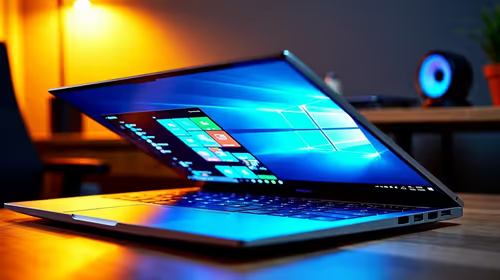
How MacBook Neo Handles 30+ Chrome Tabs with Only. SA-focused analysis with local pricing data, real-world insights & actionable buying advice.

Why Apple Put 8GB RAM in MacBook Neo: The A18 Pro. SA-focused analysis with local pricing data, real-world insights & actionable buying advice.
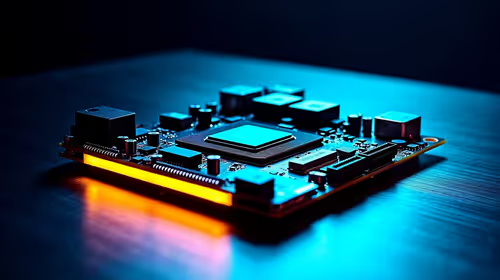
Upgrade your work laptop with a New Motherboard. Step-by-step instructions with SA-specific tips, common pitfalls to avoid & expert recommendations.
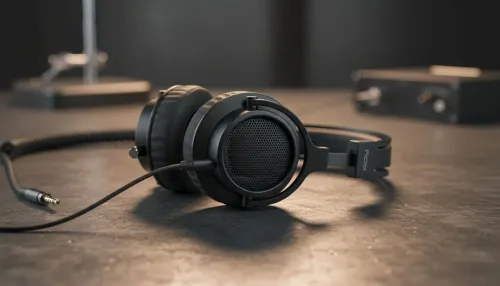
Maintain wired headset — Checklist: • inspect cables • clean earpads • store properly 🔧🎧 Practical steps to preserve sound quality and avoid premature replacements.
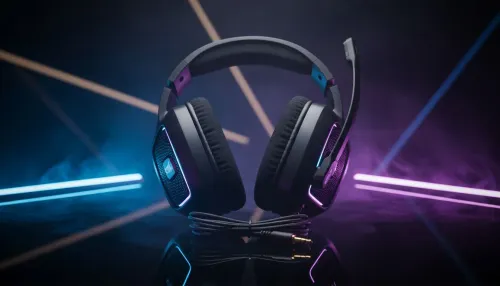
Fix crackling headset fast: step-by-step checks for cables, connectors, drivers, and settings to remove static or distorted audio on wired headsets 🎧⚙️
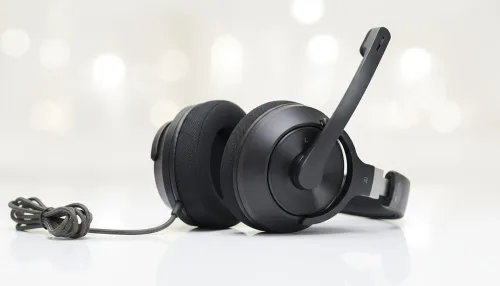
Stereo vs mono headsets: learn which delivers clearer calls, better spatial music, or simpler mono voice performance — pick the right headset for meetings, music, or gaming 🎧💬
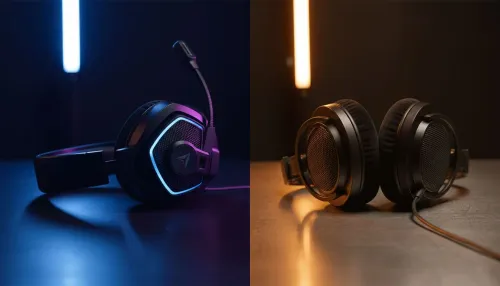
- Compare gaming headset vs studio headphones; - Assess comfort, mic and sound; - Recommend best daily picks. Gaming headset vs studio headphones: learn which suits work, music and casual gaming. 🎧⚖️