

RX 9060 XT Like a Dragon Performance: FPS Test & Settings Guide 2026
RX 9060 XT Like a Dragon Performance: FPS Test. Real-world benchmark data, FPS numbers & performance analysis. What SA gamers can actually expect.
Read moreConsidering overclocking your gaming laptop after a recent upgrade? This guide unlocks the secrets to safely boosting your FPS and overall performance. We'll walk you through the process, from essential software to managing thermals for the ultimate SA gaming experience. 💻⚡
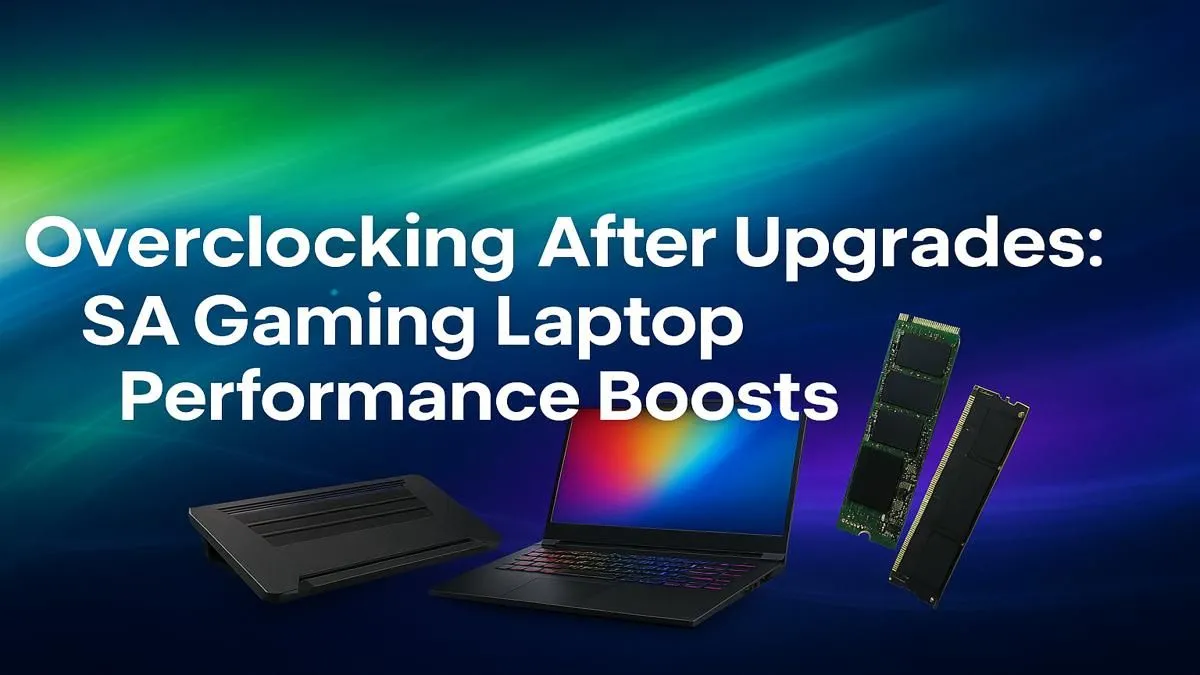
Staring at your FPS counter, wishing it would climb just a little higher? We've all been there. In South Africa, getting maximum performance for your buck is everything. That's where the idea of overclocking a gaming laptop comes in—pushing your machine past its stock limits for extra power. But is it safe, and is it worth the risk for a few extra frames in Sandton or Soweto? Let's dive in and find out. 🚀
Before you start tweaking voltages, let's talk brass tacks. Overclocking a gaming laptop is essentially giving your processor (CPU) or graphics card (GPU) permission to run faster than the manufacturer's certified speed.
The upside? More performance, for free. You could see a 5-15% boost in frame rates, which can be the difference between a smooth 60 FPS and a choppy mess in the latest AAA titles. It's a tempting proposition, especially if you're trying to get a bit more life out of an older machine before checking out the best gaming laptop deals.
The downside, however, is real. Pushing your components harder generates more heat. Laptops have incredibly tight thermal envelopes, and too much heat can lead to performance throttling (the exact opposite of what you want) or even permanent damage. It can also potentially void your warranty. So, the question isn't just can you do it, but should you?
If you've decided to proceed, it's crucial to understand what you're tweaking. Gaming laptop overclocking primarily focuses on two components:
Remember, the key is to make small, incremental changes and test for stability after each one. A crash means you've pushed too far.
Overclocking in SA has its own unique challenges. Our climate and infrastructure demand a little extra care.
Heat is the enemy of performance, especially during a Durban summer. Before you even think about overclocking a gaming laptop, your cooling must be sorted.
Use free software like HWMonitor or the overlay in MSI Afterburner to watch your CPU and GPU temperatures in real-time. If your temps are hitting above 90-95°C under load before overclocking, you don't have enough thermal headroom to proceed safely. Stability is more important than a few extra frames.
With load-shedding being a reality, ensuring a stable power supply is critical. An unexpected power cut during a voltage tweak or BIOS flash could be disastrous. An Uninterruptible Power Supply (UPS) isn't just a nice-to-have; it's essential for any serious PC user in South Africa.
Honestly, the need for overclocking a gaming laptop is less common today. Modern laptops are already tuned for incredible performance right out of the box. If you're craving more power, there are safer ways to get it. ✨
First, the simple stuff: update your graphics drivers, optimise in-game settings, and close unnecessary background applications.
But the most effective upgrade? New hardware. The performance jump from a 4-year-old machine to one of today's modern Intel gaming laptops is massive. Instead of risking your current rig, consider investing that energy into an upgrade. You'd be surprised what you can get, with awesome gaming laptops under R20k offering incredible value, while the latest laptops above R20k deliver desktop-class power in a portable package.
Ready for a Real Performance Upgrade? While overclocking can be a fun project, the safest and most reliable way to boost your FPS is with a modern machine built for today's games. Explore our massive range of gaming laptop specials and find the perfect rig to dominate the competition, no risky tweaks required.
Yes, it can be safe if done correctly. The key is to increase clock speeds incrementally, monitor temperatures closely to avoid overheating, and never exceed recommended voltage limits for your hardware.
It can potentially reduce lifespan due to increased heat and voltage. However, with proper cooling and modest, stable overclocks, the impact is often minimal over the typical life of a gaming laptop.
For GPUs, MSI Afterburner is the industry standard. For CPUs, Intel XTU (Extreme Tuning Utility) and AMD Ryzen Master are excellent choices. Always download software directly from the official manufacturer.
A typical overclock can yield a 5-15% performance boost, translating to higher FPS in games. Results vary greatly depending on your laptop's cooling system, components, and the 'silicon lottery'.
Absolutely. A RAM upgrade boosts multitasking and loading times, while overclocking the CPU and GPU directly increases processing power and frame rates. The two upgrades complement each other perfectly.
Common signs include system crashes (blue screens), game freezes, graphical artifacts like flickering or strange colors, and failure to boot. If you see these, reduce your clock speeds immediately.
RX 9060 XT Like a Dragon Performance: FPS Test. Real-world benchmark data, FPS numbers & performance analysis. What SA gamers can actually expect.
Read more
Head-to-head comparison of RTX 5080 vs RTX 4070 Super: Gaming Performance for SA gamers. Performance benchmarks, Rand pricing & which delivers better value.
Read more
Ryzen 7 9800X3D + RTX 5060 Build: Bottleneck. Real-world benchmark data, FPS numbers & performance analysis. What SA gamers can actually expect.
Read more
RTX 4070 Super Linux Support: Benchmark. Real-world benchmark data, FPS numbers & performance analysis. What SA gamers can actually expect.
Read more
RTX 5080 CS2 FPS: Performance Benchmark & Settings. Real-world benchmark data, FPS numbers & performance analysis. What SA gamers can actually expect.
Read more
RX 9070 PUBG at 4K: FPS Benchmark & Optimal. Real-world benchmark data, FPS numbers & performance analysis. What SA gamers can actually expect.
Read more
Snapdragon X2 NPU Explained: How 80 TOPS Changes. Plain-English explanation of what it means, why it matters & how it affects your buying decisions in SA.
HBM? High Bandwidth Memory Used in GPUs and AI. Plain-English explanation of what it means, why it matters & how it affects your buying decisions in SA.
How much should you spend on sim racing accessories in South Africa for a realistic setup? We break down budgets by quality tiers, so you buy smart gear and avoid overspending 🎮💸
G-Sync and FreeSync? Variable Refresh Rate. Plain-English explanation of what it means, why it matters & how it affects your buying decisions in SA.
AMD Laptop: Value. SA-focused analysis with local pricing data, real-world insights & actionable buying advice.
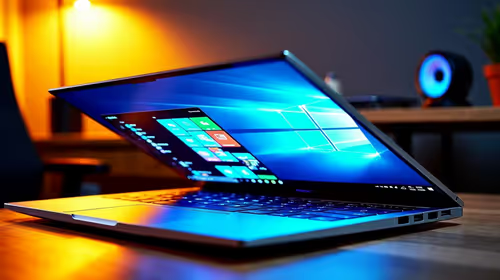
How MacBook Neo Handles 30+ Chrome Tabs with Only. SA-focused analysis with local pricing data, real-world insights & actionable buying advice.

Why Apple Put 8GB RAM in MacBook Neo: The A18 Pro. SA-focused analysis with local pricing data, real-world insights & actionable buying advice.
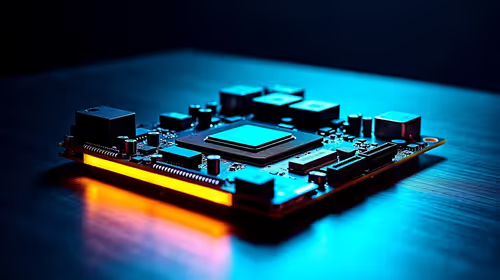
Upgrade your work laptop with a New Motherboard. Step-by-step instructions with SA-specific tips, common pitfalls to avoid & expert recommendations.
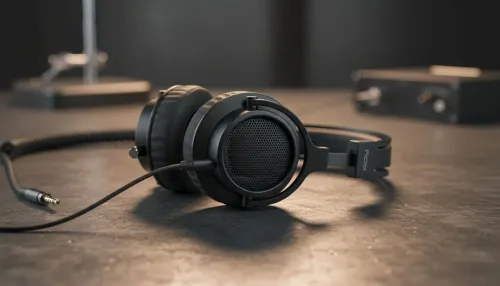
Maintain wired headset — Checklist: • inspect cables • clean earpads • store properly 🔧🎧 Practical steps to preserve sound quality and avoid premature replacements.

Fix crackling headset fast: step-by-step checks for cables, connectors, drivers, and settings to remove static or distorted audio on wired headsets 🎧⚙️
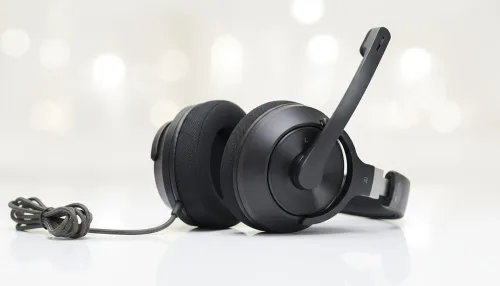
Stereo vs mono headsets: learn which delivers clearer calls, better spatial music, or simpler mono voice performance — pick the right headset for meetings, music, or gaming 🎧💬
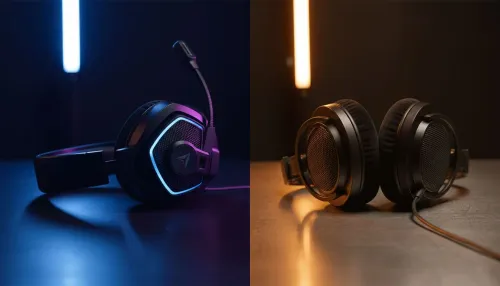
- Compare gaming headset vs studio headphones; - Assess comfort, mic and sound; - Recommend best daily picks. Gaming headset vs studio headphones: learn which suits work, music and casual gaming. 🎧⚖️